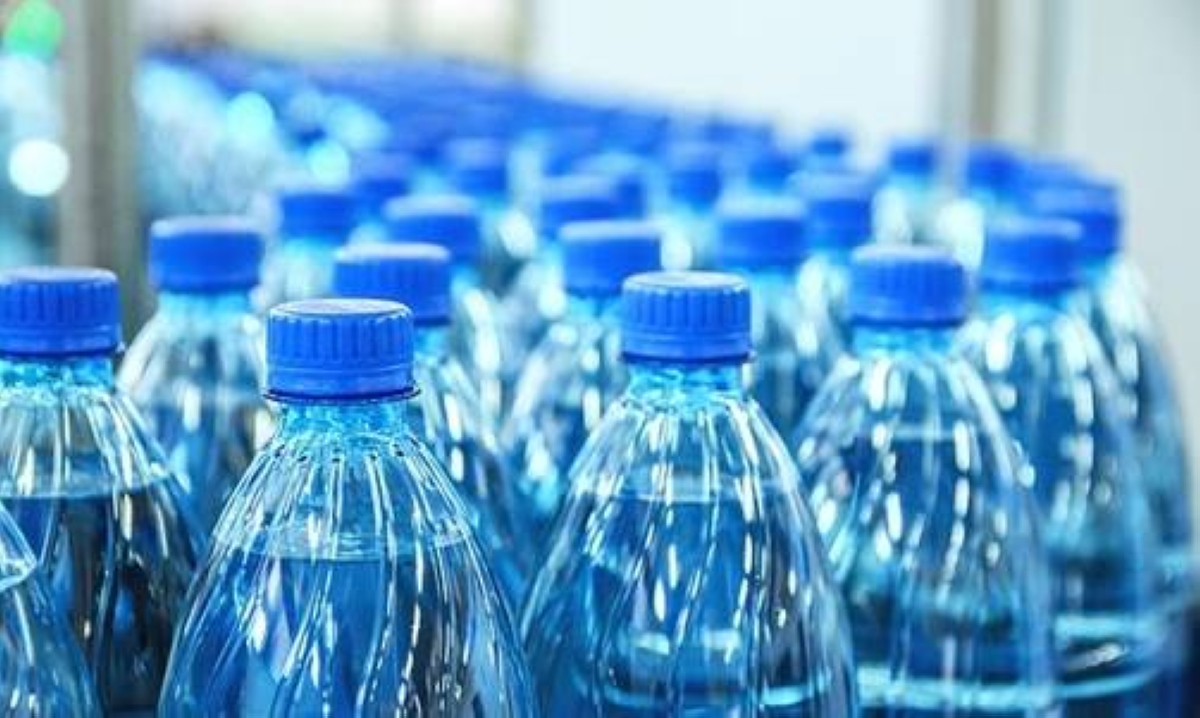
حذّر خبراء من أن المياه المعبأة في زجاجات بلاستيكية قد تشكل خطراً صحياً بسبب تحلل البلاستيك بمرور الوقت، ما قد يزيد من مخاطر الإصابة بأمراض خطيرة مثل سرطان الأمعاء، التهابات مزمنة، واضطرابات هرمونية.
الميكروبلاستيك يزيد اضطرابات الدماغ
وبحسب صحيفة «ديلي ميل»، عادةً ما تحمل زجاجات المياه المعدنية تاريخ صلاحية يتراوح بين 18 شهراً وسنتين، لكن هذا التاريخ لا يشير إلى جودة المياه نفسها، بل إلى متانة الزجاجة البلاستيكية، وبعد انتهاء هذه المدة، قد تتحلل الزجاجة، ما يؤدي إلى تسرب جزيئات دقيقة (ميكروبلاستيك) إلى المياه، التي ارتبطت بأمراض مثل سرطان الأمعاء، انخفاض عدد الحيوانات المنوية، اضطرابات الدماغ، وحتى التوحد وفرط الحركة.
أضرار تحلل البلاستيك
ووفقاً للمجلس الوطني للترطيب الطبيعي، فإن المياه قد تظل آمنة للشرب بعد تاريخ الصلاحية، لكن خبراء آخرين يحذرون من أن الجزيئات البلاستيكية الدقيقة قد تتسرب إلى المياه منذ لحظة الإنتاج، وتتزايد مع تحلل البلاستيك. هذه الجزيئات، التي يصل حجمها إلى ميكرومترين (أي نحو 2000 جزء من المليمتر)، تم رصدها في أنسجة الرئة، المشيمة، حليب الأم، وحتى الدم، ما يثير قلقاً متزايداً بشأن مدى اختراقها للجسم.
جزيئات بلاستيكية دقيقة.
وأشارت الباحثة البارزة في تلوث المياه العذبة بالبلاستيك بالتعاون مع منظمة الصحة العالمية الدكتورة شيري ميسون إلى أن هذه الجزيئات ترتبط بزيادة مخاطر الإصابة بأنواع معينة من السرطان واضطرابات صحية أخرى، موضحةً أن البلاستيك يُعد وسيلة لنقل المواد الكيميائية الضارة إلى أجسامنا.
وعلى الرغم من تأكيد الوكالة الأوروبية لسلامة الغذاء أن معظم هذه الجزيئات تُطرد من الجسم، إلا أن منظمة الأغذية والزراعة التابعة للأمم المتحدة حذرت من أن بعضها قد يدخل مجرى الدم ويتراكم في الأعضاء الحيوية.
شرب المياه من الصنبور أفضل
وكشفت دراسة حديثة أجرتها خبيرة الإدارة البيئية بجامعة كونكورديا سارة ساجدي أن الأشخاص الذين يشربون المياه المعبأة بانتظام يستهلكون نحو 900 ألف جسيم ميكروبلاستيك إضافي سنوياً مقارنةً بمن يشربون مياه الصنبور.
ووصفت ساجدي المخاطر الصحية الناتجة عن الزجاجات البلاستيكية ذات الاستخدام الواحد بأنها «خطيرة»، داعيةً إلى زيادة الوعي بهذه القضية الملحة.
وأضافت أن هذه الجزيئات قد تسبب اضطرابات في الجهاز الهضمي، التهابات الجهاز التنفسي، وتؤثر على التوازن البكتيري في الأمعاء.
كوب مياه.
من ناحية أخرى، يمكن أن تؤثر الزجاجات البلاستيكية التي تجاوزت تاريخ صلاحيتها على طعم المياه ورائحتها بسبب تحلل مادة البولي إيثيلين تيرفثالات (PET)، وعلى الرغم من أن هذه المادة لا تحتوي على مواد كيميائية ضارة مثل الفثالات أو البيسفينول أ (BPA)، إلا أن تخزين الزجاجات في بيئات حارة أو تعرضها لأشعة الشمس قد يسرّع من تدهور جودتها، كما أن هذه الزجاجات «تتنفس»، ما يعني أن كميات صغيرة من المياه قد تتبخر، ما يسمح بدخول جزيئات ملوثة إلى المياه.
تأثير زجاجات المياه البلاستيكية على الأمعاء
في سياق متصل، كشفت دراسة أسترالية حديثة أن الجزيئات البلاستيكية الدقيقة المستخدمة في تغليف الأغذية قد تؤثر على الأمعاء، ما يزيد من مخاطر الإصابة بسرطان الأمعاء، والاكتئاب.
وأظهرت الدراسة، التي حللت عينات براز من متطوعين أصحاء، أن هذه الجزيئات قد تغير النشاط الميكروبي في الأمعاء، ما يعكس أنماطاً مرتبطة سابقاً بالأمراض النفسية والسرطان.
ووصف الخبراء هذه النتائج بأنها «مهمة»، كونها الأولى التي تُظهر تأثير الميكروبلاستيك على ميكروبيوم الأمعاء البشرية.
Experts have warned that bottled water in plastic bottles may pose a health risk due to the degradation of plastic over time, which could increase the risks of serious diseases such as bowel cancer, chronic infections, and hormonal disorders.
Microplastics Increase Brain Disorders
According to the "Daily Mail," bottled mineral water typically has a shelf life of 18 months to two years, but this date does not indicate the quality of the water itself, but rather the durability of the plastic bottle. After this period, the bottle may degrade, leading to the leaching of tiny particles (microplastics) into the water, which have been linked to diseases such as bowel cancer, reduced sperm count, brain disorders, and even autism and hyperactivity.
Harms of Plastic Degradation
According to the National Council for Natural Hydration, water may remain safe to drink after the expiration date, but other experts warn that tiny plastic particles may leach into the water from the moment of production and increase as the plastic degrades. These particles, which can be as small as two micrometers (about 2000 parts per millimeter), have been detected in lung tissues, the placenta, breast milk, and even blood, raising increasing concerns about their penetration into the body.
جزيئات بلاستيكية دقيقة.
Leading researcher in freshwater plastic pollution in collaboration with the World Health Organization, Dr. Sherry Mason, indicated that these particles are associated with an increased risk of certain types of cancer and other health disorders, explaining that plastic serves as a means of transporting harmful chemicals into our bodies.
Although the European Food Safety Authority confirms that most of these particles are expelled from the body, the Food and Agriculture Organization of the United Nations has warned that some may enter the bloodstream and accumulate in vital organs.
Drinking Tap Water is Better
A recent study conducted by environmental management expert Sarah Sajdi at Concordia University revealed that individuals who regularly drink bottled water consume about 900,000 additional microplastic particles annually compared to those who drink tap water.
Sajdi described the health risks associated with single-use plastic bottles as "serious," calling for increased awareness of this urgent issue.
She added that these particles may cause gastrointestinal disorders, respiratory infections, and affect the bacterial balance in the intestines.
كوب مياه.
On the other hand, plastic bottles that have surpassed their expiration date can affect the taste and smell of the water due to the degradation of polyethylene terephthalate (PET). Although this material does not contain harmful chemicals like phthalates or bisphenol A (BPA), storing bottles in hot environments or exposing them to sunlight may accelerate the deterioration of their quality, and these bottles "breathe," meaning that small amounts of water may evaporate, allowing contaminated particles to enter the water.
Impact of Plastic Water Bottles on the Gut
In a related context, a recent Australian study revealed that microplastic particles used in food packaging may affect the gut, increasing the risks of bowel cancer and depression.
The study, which analyzed stool samples from healthy volunteers, found that these particles could alter microbial activity in the gut, reflecting patterns previously associated with mental illnesses and cancer.
Experts described these findings as "significant," as they are the first to demonstrate the impact of microplastics on the human gut microbiome.