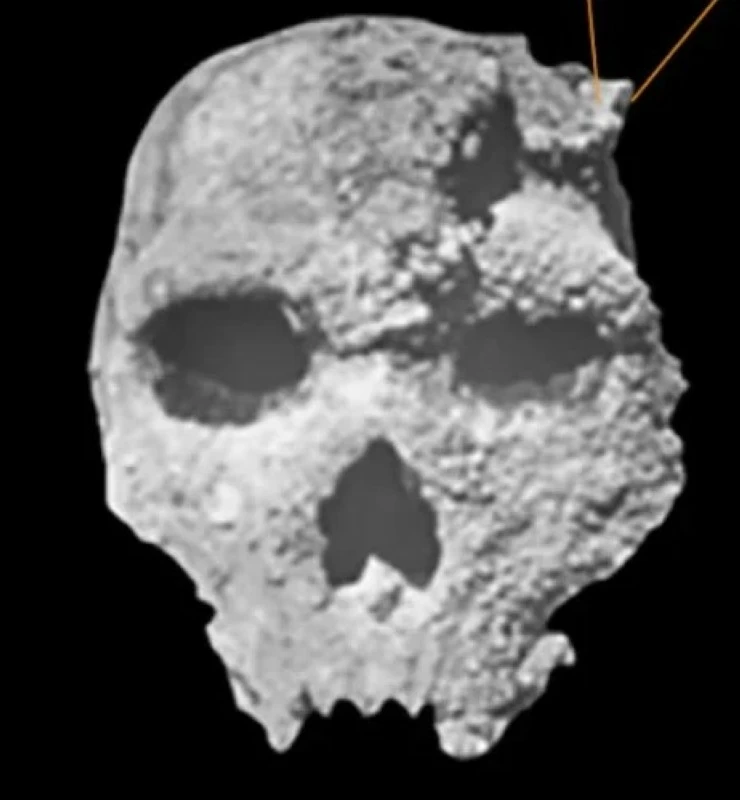
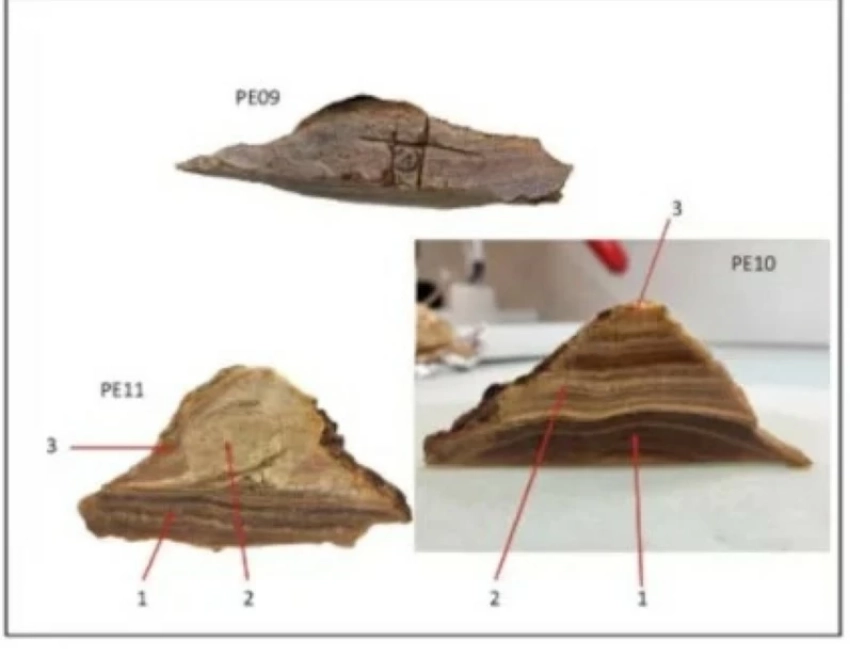
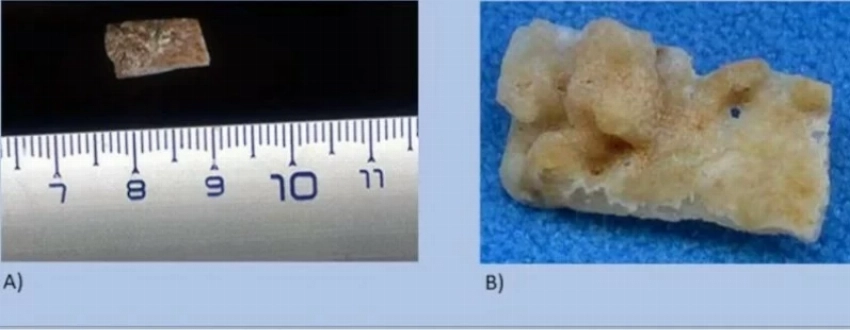
أشعلت دراسة علمية حديثة جدلاً واسعًا في أوساط علماء الأنثروبولوجيا والتطور البشري، بعد أن حدد فريق دولي عمر جمجمة «بترالونا 1» المكتشفة عام 1960 في كهف بترالونا شمال اليونان بـ 286 ألف عام بهامش خطأ أكثر أو أقل 9 آلاف سنة كحد أدنى، وذلك باستخدام تقنية تأريخ سلسلة اليورانيوم على طبقة الكالسيت التي غطت الجمجمة مباشرة.
9
وأكدت الدراسة، المنشورة في مجلة Journal of Human Evolution عام 2025، بقيادة الباحث الفرنسي كريستوف فالجير من معهد الباليونتولوجيا البشرية في باريس، أن نمو طبقة الكالسيت الداخلية بدأ قبل نحو 286 ألف عام على الأقل، مما يعني أن الجمجمة نفسها أقدم من ذلك التاريخ، وربما تصل إلى ما يقارب 300 ألف عام أو أكثر إذا تأخر نمو الطبقة.
ملامح لا تتطابق مع الأنواع المعروفة
تتميز الجمجمة ببنية قوية وضخمة، بحاجب بارز سميك، وسعة جمجمية كبيرة نسبيًا، لكنها لا تتوافق تمامًا مع خصائص الإنسان العاقل ولا مع إنسان نياندرتال، كما أنها تظهر تشابهًا لافتًا مع جمجمة كابوي المكتشفة في زامبيا والتي يعود تاريخها إلى نحو 300 ألف عام، والتي تُصنف عادة ضمن مجموعة واسعة من الأشكال البدائية في العصر البليستوسيني الأوسط.
ورغم محاولات سابقة لتصنيفها ضمن الإنسان هايدلبيرغي أو حتى الإنسان المنتصب، يرى الفريق البحثي الذي ضم خبراء من فرنسا وبريطانيا واليونان والصين أن الجمجمة تمثل مجموعة أكثر بدائية ومتميزة، عاشت في أوروبا وتعايشت مع السلالات التي تطورت لاحقًا إلى النياندرتال، دون أن تندمج فيها بالضرورة.
10
تاريخ اكتشاف الجمجمة
عُثر على الجمجمة عام 1960 داخل كهف بترالونا قرب سالونيك، ملتصقة بجدار الكهف ومغطاة بطبقات سميكة من الكالسيت (الترافرتين)، مما جعل تأريخها صعبًا لعقود طويلة، تراوحت التقديرات السابقة بين 170 ألف و700 ألف عام، ما أبقى الجدل محتدمًا حول مكانتها في شجرة التطور البشري.
ويُعد هذا التأريخ الدقيق خطوة مهمة لأنه يضع الجمجمة في سياق زمني واضح خلال العصر البليستوسيني الأوسط حوالى 780–130 ألف عام مضت، الفترة التي شهدت تنوعًا كبيرًا في الأنواع البشرية في أوروبا وأفريقيا، وتعايش عدة سلالات مع بعضها، بما في ذلك أشكال انتقالية بين الإنسان هايدلبيرغي أو حتى الإنسان المنتصب والنياندرتال.
A recent scientific study has sparked widespread debate among anthropologists and human evolution experts, after an international team determined the age of the "Petralona 1" skull, discovered in 1960 in the Petralona cave in northern Greece, to be 286,000 years with a margin of error of plus or minus 9,000 years at a minimum, using uranium series dating on the calcite layer that directly covered the skull.
9
The study, published in the Journal of Human Evolution in 2025, led by French researcher Christophe Falguères from the Institute of Human Paleontology in Paris, confirmed that the growth of the inner calcite layer began at least 286,000 years ago, which means that the skull itself is older than that date, possibly reaching nearly 300,000 years or more if the growth of the layer was delayed.
Features That Do Not Match Known Species
The skull is characterized by a strong and massive structure, with a prominent thick brow ridge and a relatively large cranial capacity, but it does not fully align with the characteristics of Homo sapiens or Neanderthals. It also shows a striking resemblance to the Kabwe skull discovered in Zambia, which dates back to about 300,000 years and is typically classified within a broad range of primitive forms from the Middle Pleistocene.
Despite previous attempts to classify it as Homo heidelbergensis or even Homo erectus, the research team, which included experts from France, Britain, Greece, and China, believes that the skull represents a more primitive and distinct group that lived in Europe and coexisted with the lineages that later evolved into Neanderthals, without necessarily merging into them.
10
The History of the Skull's Discovery
The skull was found in 1960 inside the Petralona cave near Thessaloniki, attached to the cave wall and covered by thick layers of calcite (travertine), which made dating it difficult for many decades. Previous estimates ranged between 170,000 and 700,000 years, keeping the debate heated regarding its status in the human evolutionary tree.
This precise dating is considered an important step as it places the skull in a clear temporal context during the Middle Pleistocene, approximately 780–130,000 years ago, a period that witnessed significant diversity in human species in Europe and Africa, with several lineages coexisting, including transitional forms between Homo heidelbergensis or even Homo erectus and Neanderthals.