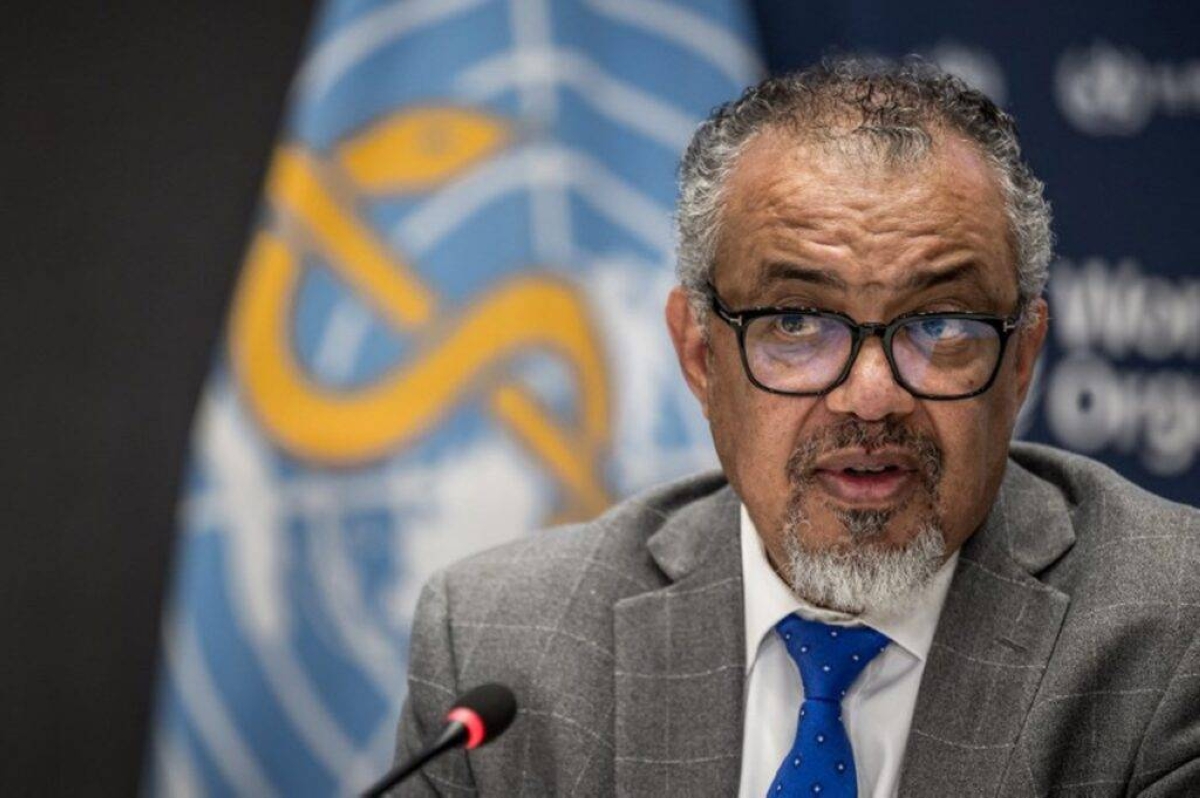
كشفت منظمة الصحة العالمية (WHO) في تقريرين جديدين، «الصحة النفسية العالمية اليوم»، و«أطلس الصحة النفسية 2024»، أن أكثر من مليار شخص حول العالم يعانون من اضطرابات نفسية، بزيادة طفيفة لكنها ملحوظة مقارنة بالإحصاءات التي جُمعت عام 2000.
ويُعد القلق والاكتئاب أكثر الاضطرابات النفسية شيوعًا، حيث يعاني منها واحد من كل سبعة أشخاص عالميًا، حيث تُظهر البيانات أن النساء أكثر تأثرًا من الرجال، مع انتشار أعلى للقلق والاكتئاب واضطرابات الأكل بين الإناث، بينما يسود اضطراب فرط الحركة ونقص الانتباه وتعاطي المخدرات بين الذكور.
وتُشير تقارير منظمة الصحة العالمية، إلى تفاوت كبير في توفير الرعاية النفسية بين الدول، ففي الدول منخفضة الدخل، يتلقى أقل من 10% من المصابين الرعاية اللازمة، مقارنة بأكثر من 50% في الدول مرتفعة الدخل.
ويبلغ متوسط الإنفاق الحكومي على الصحة النفسية 2% فقط من إجمالي ميزانيات الصحة، وهو مستوى ظل ثابتًا منذ 2017، في حين تنفق الدول مرتفعة الدخل ما يصل إلى 65 دولارًا للفرد على الصحة النفسية، لا تتجاوز النفقات في الدول منخفضة الدخل 0.04 دولار للفرد، مما يكشف فجوة هائلة في التمويل.
وبحسب تقرير المنظمة، تُشكل الاضطرابات النفسية ثاني أكبر أسباب الإعاقة طويلة الأمد بعد آلام الظهر، وتُسهم في خسارة سنوات الحياة الصحية وتزيد من تكاليف الرعاية الصحية للأفراد والأسر.
كما يُكلف الاكتئاب والقلق وحدهما الاقتصاد العالمي نحو تريليون دولار سنويًا بسبب فقدان الإنتاجية، كما تُعد الاضطرابات النفسية سببًا رئيسيًا للوفيات بالانتحار، حيث سجّل عام 2021 نحو 727 ألف حالة انتحار، مما يجعلها من الأسباب الرئيسية للوفاة بين الشباب عالميًا، ورغم هدف الأمم المتحدة لتقليص وفيات الانتحار بثلث بحلول 2030، تُشير التوقعات إلى تحقيق انخفاض بنسبة 12% فقط.
ودعت منظمة الصحة العالمية إلى تبني نماذج رعاية قائمة على المجتمع، لكن أقل من 10% من الدول تحولت بالكامل إلى هذه النماذج، حيث لا تزال معظم الخدمات تعتمد على المستشفيات النفسية، مع نسبة كبيرة من الحجوزات اللا إرادية وإقامات طويلة الأمد.
كما يعاني العالم من نقص حاد في القوى العاملة المتخصصة في الصحة النفسية، حيث يبلغ متوسط عدد العاملين في هذا المجال 13 لكل 100 ألف شخص، مع تحسن طفيف في توافر الأطباء النفسيين والممرضين المتخصصين.
وأظهرت البيانات بعض التقدم، حيث طورت 71% من الدول برامج رعاية نفسية أولية تتماشى مع معايير منظمة الصحة العالمية، وأصبحت خدمات الصحة النفسية عبر الإنترنت أكثر توافرًا.
كما أفادت أكثر من 80% من الدول بتقديم دعم نفسي واجتماعي خلال الطوارئ، مقارنة بـ39% في 2020، ومع ذلك تظل الفجوات في تغطية الخدمات، خصوصا للاضطرابات الذهانية، قائمة بسبب نقص البيانات في العديد من الدول.
وأكد المدير العام لمنظمة الصحة العالمية الدكتور تيدروس أدهانوم غيبريسوس، أن الاستثمار في الصحة النفسية هو استثمار في الأفراد والمجتمعات والاقتصادات، مشددًا على أن الرعاية النفسية يجب أن تُعتبر حقًا أساسيًا وليست امتيازًا.
وحثت الدكتورة ديفورا كيستل، مديرة إدارة الأمراض غير السارية والصحة النفسية بالمنظمة، على إصلاحات عاجلة تشمل زيادة الاستثمار في القوى العاملة، والتحول نحو الرعاية المجتمعية، وتعديل القوانين لضمان احترام حقوق الأفراد.
وفي يوليو 2025، أطلقت منظمة الصحة العالمية مبادرة عالمية لدعم الصحة النفسية في أماكن العمل، بالتعاون مع منظمة العمل الدولية، استجابة لارتفاع حالات الإجهاد المرتبط بالعمل بعد الجائحة.
وأفادت تقارير حديثة من «ميديكال نيوز توداي» بأن الدول منخفضة الدخل بدأت في تبني برامج توعية بسيطة، مثل تدريب العاملين الصحيين المجتمعيين، لسد الفجوة في الخدمات.
كما أشار تقرير نشرته محلة «نيتشر» في 28 أغسطس الماضي إلى أن استخدام التطبيقات الرقمية للصحة النفسية زاد بنسبة 15% في الدول المتوسطة الدخل منذ 2023، مما يعكس اتجاهًا نحو الابتكار في تقديم الخدمات.
The World Health Organization (WHO) revealed in two new reports, "Global Mental Health Today" and "Mental Health Atlas 2024," that more than one billion people worldwide suffer from mental disorders, a slight but noticeable increase compared to the statistics collected in 2000.
Anxiety and depression are the most common mental disorders, affecting one in seven people globally. Data shows that women are more affected than men, with higher prevalence of anxiety, depression, and eating disorders among females, while attention-deficit/hyperactivity disorder and substance abuse are more prevalent among males.
WHO reports indicate significant disparities in the provision of mental health care between countries. In low-income countries, less than 10% of those affected receive the necessary care, compared to over 50% in high-income countries.
The average government spending on mental health is only 2% of total health budgets, a level that has remained constant since 2017. While high-income countries spend up to $65 per person on mental health, expenditures in low-income countries do not exceed $0.04 per person, revealing a massive funding gap.
According to the organization's report, mental disorders are the second leading cause of long-term disability after back pain, contributing to the loss of healthy years of life and increasing healthcare costs for individuals and families.
Depression and anxiety alone cost the global economy about one trillion dollars annually due to lost productivity. Additionally, mental disorders are a leading cause of deaths by suicide, with approximately 727,000 suicide cases recorded in 2021, making it one of the leading causes of death among youth globally. Despite the United Nations' goal to reduce suicide deaths by one-third by 2030, projections indicate only a 12% decrease.
The World Health Organization has called for the adoption of community-based care models, but less than 10% of countries have fully transitioned to these models, as most services still rely on psychiatric hospitals, with a significant proportion of involuntary admissions and long-term stays.
The world is also facing a severe shortage of specialized mental health workforce, with an average of 13 workers in this field for every 100,000 people, although there has been a slight improvement in the availability of psychiatrists and specialized nurses.
Data has shown some progress, with 71% of countries developing primary mental health care programs that align with WHO standards, and online mental health services becoming more available.
More than 80% of countries reported providing psychological and social support during emergencies, compared to 39% in 2020. However, gaps in service coverage, especially for psychotic disorders, remain due to a lack of data in many countries.
The Director-General of WHO, Dr. Tedros Adhanom Ghebreyesus, emphasized that investing in mental health is an investment in individuals, communities, and economies, stressing that mental health care should be considered a fundamental right, not a privilege.
Dr. Devorah Kestel, Director of the Department of Noncommunicable Diseases and Mental Health at the organization, called for urgent reforms, including increasing investment in the workforce, shifting towards community care, and amending laws to ensure respect for individuals' rights.
In July 2025, WHO launched a global initiative to support mental health in the workplace, in collaboration with the International Labour Organization, in response to the rise in work-related stress cases following the pandemic.
Recent reports from "Medical News Today" indicate that low-income countries have begun adopting simple awareness programs, such as training community health workers, to bridge the service gap.
A report published by the journal "Nature" on August 28 indicated that the use of digital mental health applications has increased by 15% in middle-income countries since 2023, reflecting a trend towards innovation in service delivery.