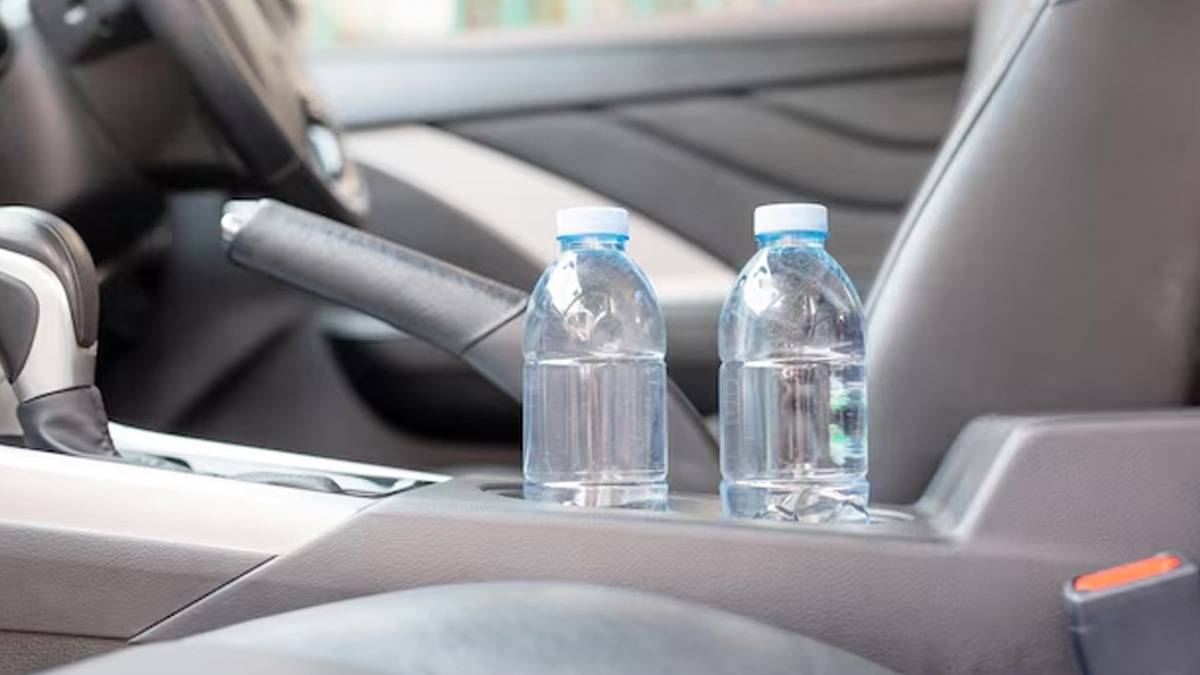
يحذر الخبراء من شرب الماء من زجاحة بلاستيكية تعرضت لأشعة الشمس، خصوصا لو تُركت الزجاجة في سيارتك لفترة بسبب إمكانية تسرب مواد كيميائية ضارة تحولها إلى بيئة خصبة للبكتيريا، وفقا لموقع «only my health».
تُصنع معظم زجاجات المياه البلاستيكية من مادة البولي إيثيلين تيريفثاليت (PET)، وهي آمنة في الظروف العادية، لكن عندما تتعرض للحرارة العالية داخل سيارة متوقفة، حيث يمكن أن تصل درجات الحرارة إلى 60 درجة مئوية (140 فهرنهايت)، يبدأ البلاستيك في التحلل.
تسرب مواد كيميائية
وتؤدي الحرارة إلى تسرب مواد كيميائية مثل الأنتيمون والبيسفينول A (BPA) إلى الماء، وعلى الرغم من أن هذه المستويات غالبا ما تكون ضمن الحدود الآمنة، فإن التعرض المتكرر قد يسبب اضطرابات هرمونية بسبب البيسفينول A، أو تهيج المعدة ومخاطر أكبر بسبب الأنتيمون.
ففي يوم بدرجة حرارة 27 مئوية (80 فهرنهايت)، يمكن أن ترتفع حرارة السيارة إلى 43 مئوية (110 فهرنهايت) في أقل من نصف ساعة، ما يعزز تسرب المواد الكيميائية، وفق الدراسة التي نُشرت في المجلة الدولية للبحوث البيئية والصحة العامة الهندية.
بيئة مثالية لنمو البكتيريا
وكشفت الدراسة أن المواد الكيميائية ليست المشكلة الوحيدة فعندما تشرب من الزجاجة يختلط اللعاب بالماء المتبقي، وفي بيئة السيارة الساخنة تصبح الزجاجة أرضا خصبة للبكتيريا، فالحرارة والرطوبة وبقايا اللعاب توفر بيئة مثالية لنمو بكتيريا مثل الإشريكية القولونية.
وفقا لدراسة في مجلة الصيدلة والعلوم البيولوجية المتحالفة، قد تحتوي الزجاجات القابلة لإعادة الاستخدام غير النظيفة على ميكروبات، فمثلا قد تلاحظ طعما غريبا أو بلاستيكيا عند شرب الماء من زجاجة ساخنة، هذا ليس مجرد خيال، بل نتيجة تسرب المركبات العضوية المتطايرة (VOCs) من البلاستيك المسخن.
وقالت الدراسة، إن مجرد شرب رشفة أو اثنتين من زجاجة تُركت في السيارة لن يسبب ضررا كبيرا في العادة، حيث تظل مستويات المواد الكيميائية دون العتبات السامة، لكن التعرض المتكرر قد يزيد من المخاطر الصحية، مثل الاضطرابات الهرمونية أو العدوى البكتيرية، خصوصا على المدى الطويل.
ونصحت الدراسة بالحفاظ على السلامة الشخصية من خلال استخدام زجاجات الفولاذ المقاوم للصدأ أو الزجاج، فهي مقاومة للحرارة ولا تتسرب منها مواد كيميائية، فضلا عن غسل الزجاجات القابلة لإعادة الاستخدام يوميا لمنع تراكم البكتيريا.
Experts warn against drinking water from a plastic bottle that has been exposed to sunlight, especially if the bottle has been left in your car for a period of time due to the possibility of harmful chemicals leaching into it, turning it into a fertile environment for bacteria, according to the website "only my health".
Most plastic water bottles are made from polyethylene terephthalate (PET), which is safe under normal conditions, but when exposed to high heat inside a parked car, where temperatures can reach 60 degrees Celsius (140 degrees Fahrenheit), the plastic begins to break down.
Chemical Leaching
The heat causes chemicals such as antimony and bisphenol A (BPA) to leach into the water, and although these levels are often within safe limits, repeated exposure may cause hormonal disruptions due to bisphenol A, or stomach irritation and greater risks due to antimony.
On a day with a temperature of 27 degrees Celsius (80 degrees Fahrenheit), the temperature inside a car can rise to 43 degrees Celsius (110 degrees Fahrenheit) in less than half an hour, which enhances the leaching of chemicals, according to a study published in the International Journal of Environmental Research and Public Health.
An Ideal Environment for Bacterial Growth
The study revealed that chemicals are not the only problem; when you drink from the bottle, saliva mixes with the remaining water, and in the hot car environment, the bottle becomes a breeding ground for bacteria, as heat, humidity, and saliva residues provide an ideal environment for the growth of bacteria such as E. coli.
According to a study in the Journal of Allied Pharmacy and Biological Sciences, unclean reusable bottles may contain microbes; for example, you might notice a strange or plastic taste when drinking water from a hot bottle, which is not just a figment of imagination, but a result of volatile organic compounds (VOCs) leaching from the heated plastic.
The study stated that just taking a sip or two from a bottle left in the car usually does not cause significant harm, as chemical levels remain below toxic thresholds, but repeated exposure may increase health risks, such as hormonal disruptions or bacterial infections, especially in the long term.
The study advised maintaining personal safety by using stainless steel or glass bottles, as they are heat-resistant and do not leach chemicals, in addition to washing reusable bottles daily to prevent bacterial buildup.