لتعزيز الوعي المجتمعي بالمرض الجلدي المزمن، والتثقيف بمسبباته وأعراضه وسبل علاجه، والدعوة لتكثيف الجهود الصحية وتمكين المرضى من الحصول على الرعاية الطبية المناسبة، ونشر ثقافة الوقاية والعناية بالجلد بين أفراد المجتمع، يحتفل العالم سنوياً في 29 أكتوبر باليوم العالمي للصدفية، الذي وصفته وزارة الصحة السعودية، بالمرض الجلدي المزمن غير المعدي، ويحدث لزيادة في نشاط الجهاز المناعي للجسم، مسبباً سرعة نمو خلايا للجلد التي يتجدد كل ٣- ٤ أسابيع.
وفي حالة الصدفية ونتيجة الفرط في إنتاج خلايا الجلد تتسرع هذه العملية وتستغرق ٣- ٧ أيام تقريباً، ينتج عنه تراكم طبقات الجلد وظهور أعراضها التي قد تصيب الأطفال والمراهقين، ولكنه غالباً يصيب البالغين، موضحة أنه حتى الآن لا يوجد علاج يشفي تماماً من الصدفية، فيما تستخدم بعض الأدوية للتحكم بأعراضها التي تختلف بحسب مدى تأثر الجلد وشدة الحالة والمنطقة المصابة بالصدفية، ناصحة المرضى بضرورة الالتزام بتناول الأدوية بحسب إرشادات الطبيب، والحرص على ترطيب الجلد على نحو منتظم خاصة عند الشعور بالحكة، والمحافظة على وزن صحي، فالسمنة تؤدي إلى تفاقم أعراض الصدفية مع ضرورة المحافظة على تقليم الأظافر بشكل دوري وتجنب وضع الأظافر الصناعية عند الإصابة بالصدفية، وكذلك تجنب شد الشعر لمنع تهيج فروة الرأس، مع ضرورة التقليل من مدة الاستحمام لمدة 5 دقائق إلى 15 دقيقة أو أقل.
فيما يقيم الاتحاد الدولي للصيدلة (IFPA) الذي تأسس 1971م، ويضم أكثر من 55 جمعية عضواً حول العالم، مؤتمراً عالمياً يقدم فيه أحدث التطورات لأبحاث والتهاب المفاصل الصدفي التي تسبب خللاً في الجهاز المناعي، ويُصيب أكثر من 125 مليون شخصٍ حول العالم. وأن المصابين بالصدفية أكثرُ عُرضةً للإصابة بأمراضٍ مُصاحبة، مثل داء السكري وأمراض القلب والأوعية الدموية، ناهيك عن تأثيرها الكبير على الصحة النفسية.
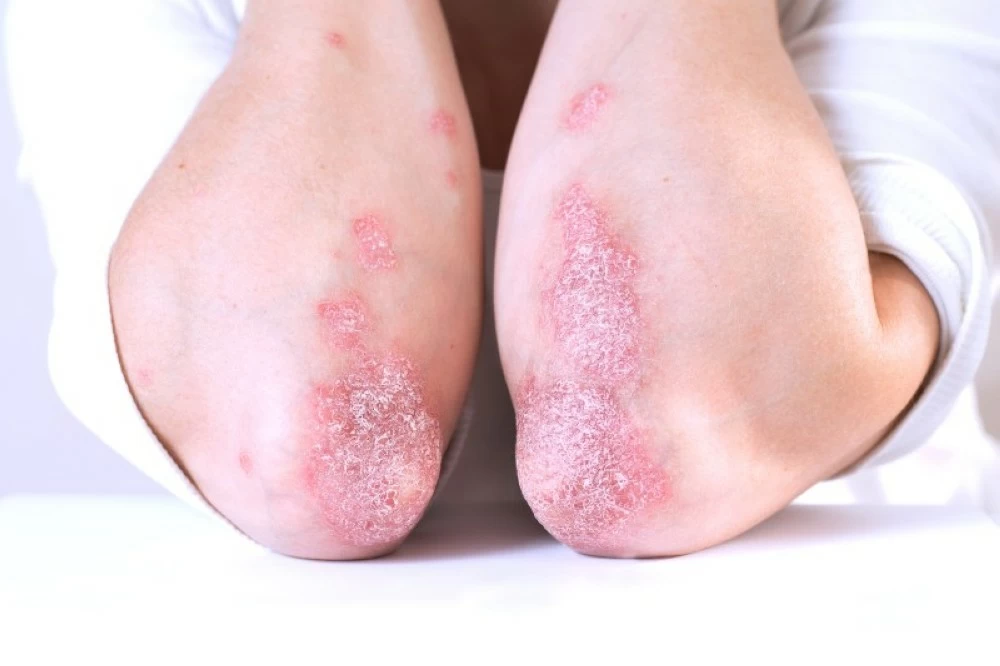
وصنّفت جمعية المناعة الذاتية، أن المرض هو جلدي يسبب بقعاً جلدية سميكة حمراء اللون ذات قشور فضية اللون، تسبب حكةً أو ألماً تظهر كبقع على المرفقين والركبتين وفروة الرأس والظهر والوجه والكفين والقدمين، وقد تظهر في أجزاء أخرى من الجسم، وتسبب الصدفية مشكلة في جهاز المناعة في عملية تُسمى «دوران الخلايا»، ومن الصعب تشخيص الصدفية لأنها قد تبدو مثل أمراض الجلد الأخرى، ويمكن أن تستمر لفترة طويلة وربما تستمر مدى الحياة، تظهر أعراضها وتختفي.
وقالت مجلة الجمعية الطبية الأمريكية (JAMA): إن الصدفية يمكن أن تسبب الحكة وعدم الراحة وأحياناً الألم، وتُصيب ما بين 2 – 4% من سكان العالم، وأن أكثر فترتين في الظهور هما في سن ٢٠ إلى ٣٠ عاماً، والثانية في سن ٥٠ إلى ٦٠ عاماً، وتُصيب الرجال والنساء على حد سواء، ولكنها أكثر شيوعاً لدى بيض البشرة إذا كان أحد أفراد العائلة مصاباً بها، وقد تتفاقم الصدفية لدى بعض المرضى، وتعيق حركتهم إذا لم تعالج.
حرقة وألم في الجلد
أخصائي أول جلدية الدكتور عدنان علي البحبوح، أرجع اسم (الصدفية) إلى اشتقاقها من كلمة الصدف أي القشرة أو الصفائح، لأن المرض يتميز بظهور بقع حمراء مغطاة بقشور بيضاء أو فضية تشبه الصدف البحري، تحدث نتيجة تسارع دورة حياة خلايا الجلد بشكل غير طبيعي، مما يؤدي إلى تراكم الخلايا الميتة على السطح، وهو مرض مناعي التهابي مزمن، يختلّ تنظيم الجهاز المناعي فتبدأ خلايا مناعية (خصوصاً خلايا T) بإفراز مواد التهابية مثل TNF-وIL-17 وIL-23، مما يؤدي إلى تسارع نمو خلايا الجلد.
كما أن العوامل الوراثية تلعب دوراً مهماً، ويُضاف إلى ذلك تأثير العوامل البيئية مثل العدوى، التدخين، التوتر، البرد، وإصابة الجلد التي تتمثل في ظهور بقع جلدية حمراء أو وردية مغطاة بقشور سميكة، عادة في المرفقين والركبتين وفروة الرأس وأسفل الظهر، وقد يشعر المريض بحكة أو حرقة أو ألم في الجلد، وقد تظهر تشققات تنزف أحياناً، وفي بعض الحالات، تمتد الإصابة إلى الأظافر فتظهر فيها حُفر صغيرة أو تتسمك وتتقوس أو تنفصل عن قاعدة الظفر، وهي ما يُعرف بـ«صدفية الأظافر» التي قد تدل أحياناً على وجود التهاب مفاصل صدفي. وعن أكثر الأنواع شيوعاً قال أخصائي أول جلدية الدكتور بحبوح لـ«عكاظ»: هي اللويحية (Plaque psoriasis): وتشكل نحو 80% من الحالات، الصدفية النقطية (Guttate): تصيب الأطفال والمراهقين غالباً بعد عدوى بالحلق، الصدفية الثنيات (Inverse) في مناطق الاحتكاك مثل الإبطين والأربية، الصدفية البثرية (Pustular) تتميز ببثور بيضاء مليئة بالقيح، الصدفية المحمة للجلد (Erythrodermic) نوع نادر قد يغطي الجسم كاملاً ويحتاج إلى عناية طبية عاجلة.
محفزات تُثير النوبات
أخصائي الجلدية الدكتور البحبوح أشار إلى أن من الأسباب والعوامل المحفزة إلى جانب العوامل المناعية والوراثية، هناك محفزات تُثير نوبات الصدفية مثل العدوى البكتيرية، الجروح أو الحروق، الطقس البارد والجاف، التدخين، التوتر النفسي، وبعض الأدوية أو التوقف المفاجئ عن الكورتيزون، مؤكداً أنها لا تنتقل بالعدوى، فهي غير مُعدية إطلاقاً، وتبدأ الفحوص والتشخيص لهذا المرض غالباً بالتاريخ الطبي والعائلي، والفحص السريري للبقَع وملاحظة شكل اللويحات والقشور، الأظافر، فروة الرأس، المفاصل، واستخدام منظار الجلد (ديرموسكوب)، وفي الحالات غير النموذجية، تُجرى خزعة جلدية لتأكيد التشخيص، ويُقيَّم المريض للبحث عن مضاعفات مثل التهاب المفاصل الصدفي أو الأمراض المصاحبة كالسمنة والسكري.
حفر صغيرة وانفصال للظفر
وفيما يتصل بـ(صدفية الأظافر) ومدى خطورتها، قال الدكتور بحبوح: الصدفية قد تصيب الأظافر وتظهر بتغيّرات مثل الحُفَر الصغيرة (نقرات) بتغير اللون، وانفصال الظفر عن القاعدة (onycholysis) «قد يصبح الظفر المصاب رخواً ومنفصلاً عن قاعدة الظّفر»، وهذه الحالة ليست تجميلية فقط؛ يمكن أن تكون دلالة على مشاركة المفاصل (التهاب المفاصل الصدفي) أو حتى خطر مضاعفات أوسع، لذا لا يُغفل عنها.
وبالنسبة لعلاج الصدفية أوضح الدكتور بحبوح قائلاً: حتى اليوم لا يوجد علاج، لكن يمكن السيطرة على المرض بفعالية بفضل التقدم الطبي، وتشمل الخيارات: العلاجات الموضعية، والعلاج الضوئي (Phototherapy) بأنواعه، والعلاجات البيولوجية الحديثة التي تستهدف المواد الالتهابية في الجهاز المناعي وتُحدث تحسناً كبيراً. وذلك للحالات المتوسطة إلى الشديدة وهي الأكثر فعالية، وتستهدف بدقة جزيئات محددة في جهاز المناعة مثل IL-17، IL-23، TNF-α، فهذه الأدوية قادرة على جعل الجلد صافياً تماماً في أكثر من 80–90% من المرضى عند الالتزام بالعلاج والمتابعة المنتظمة، كما أن تعديل نمط الحياة من الإقلاع عن التدخين وتقليل التوتر والحفاظ على الوزن الصحي جزء أساسي من العلاج.
تأثيرات الطقس البارد
استشاري أمراض الجلدية بمجمع الملك عبدالله الطبي بجدة الدكتورة نانسي شحاتة قالت لـ«عكاظ»: يعدّ مرض الصدفية (Psoriasis) أحد أكثر الأمراض الجلدية المزمنة شيوعاً وتعقيداً، ويمرّ بمراحل من النشاط والهدوء، إذ قد تخف الأعراض لفترات طويلة ثم تعود عند التعرّض لمحفزات معينة، مثل التوتر أو العدوى أو بعض الأدوية، وتختلف أعراضه من شخص لآخر من حيث الشكل والمكان والشدة، وبعض الأدوية قد تحفز أو تزيد من حدته، مثل أدوية الضغط من نوع حاصرات بيتا (beta blocker)، والليثيوم المستخدم في الاضطرابات النفسية، وبعض أدوية الملاريا، ويعد الطقس البارد والجاف، من أكثر العوامل البيئية المسببة لتفاقم المرض؛ إذ يفقد الجلد رطوبته بسهولة، مما يزيد من القشور والتشقق.
موضحة أن ثلث المصابين بالصدفية الجلدية يعانون من التهاب المفاصل الصدفي، وهو أحد المضاعفات المناعية للمرض وتظهر أعراضه على شكل: تيبس صباحي في المفاصل يستمر أكثر من 30 دقيقة، تورم وألم في الأصابع والمفاصل الصغيرة، صعوبة في الحركة أو ألم أسفل الظهر، تغيرات في الأظافر مثل التقعر أو الانفصال عن الجلد، ويحتاج التشخيص المبكر إلى تعاون بين طبيب الجلدية وطبيب الروماتيزم، لأن العلاج المبكر يحمي من تلف المفاصل الدائم.
موضحة أن السمنة هي عامل مؤثر في زيادة شدة المرض. فالاحتكاك في مناطق الثنيات لدى أصحاب الوزن الزائد يزيد من تهيّج الجلد، وتقل فعالية العلاجات البيولوجية عند مرضى السمنة مقارنة بغيرهم، فقدان الوزن بنسبة 5–10% فقط قد يؤدي إلى تحسن ملحوظ في الأعراض وتقليل النوبات الالتهابية.
الحذر من تورم المفاصل
استشاري الأمراض الجلدية والتجميل والليزر الدكتور مازن الجابري أوضح لـ«عكاظ»، أن الصدفية ليست مرضاً جلدياً فقط، بل مرض التهابي قد يصاحبه مشكلات صحية أخرى، فبعض الدراسات الحديثة، بينت أنه يؤثر في الأعضاء الداخلية وخصوصاً المفاصل، وأن التهاب المفاصل الصدفي يصيب حتى 30% من المرضى ويؤدي إلى ألم وتورم في المفاصل، وقد تؤثر على القدرة الحركية للمريض، وتكون مصاحبة ببعض الأمراض الأخرى مثل القلق والاكتئاب بسبب أثر المرض على الحياة الاجتماعية والنفسية للمريض، ويمكن أن تحدث في أي مكان على الجلد إلا أنها تظهر في الغالب على فروة الرأس، والكوعين، والركبتين، والظهر السفلي نتيجة تعرض هذه المناطق للاحتكاك والضغط بشكل متكرر. وأي احتكاك قد يثير ما يعرف بظاهرة (كوبنر)، وهي ظهور بقع صدفية في أماكن تعرضت لتهيج أو إصابة بسيطة، ويُعتقد أن سببها ناتج عن تحفيز جهاز المناعة لخلايا الجلد للتكاثر والنمو بشكل خارج عن المألوف مما يؤدي الى تراكم طبقات من القشور على سطح الجلد، وتأتي الوراثة كعامل محفز للإصابة، فيما تلعب العوامل البيئية والمناعة دوراً في تحفيزه وظهوره خاصة ممن لديهم القابلية الجينية لظهور المرض.
خطورة الاستشوار ومكواة الشعر
استشاري الجلدية الدكتور الجابري، حذر من خطورة بعض الأجهزة الحرارية مثل الاستشوار ومكواة الشعر التي تزيد من الجفاف والتهيج عند استخدامها بدرجات حرارة عالية، مما يؤدي إلى تفاقم الحكة والقشور في فروة الرأس، موضحاً أن شد الشعر أو تسريحته بطريقة مشدودة لا يُسبب الصدفية، لكن قد يؤدي إلى تقصف الشعر وتساقطه، مما قد يزيد من حساسية فروة الرأس لدى من لديهم صدفية بالفعل، نافياً أن الزيوت لا تعالج سبب المرض، لكنها قد تساعد في ترطيب الجلد وتقليل الجفاف. مثل زيت شجرة الشاي الذي قد يخفف الالتهاب عند بعض الأشخاص لكنه قد يسبب تهيجاً لدى آخرين، موضحاً أن العلاج الأساسي يحدده الطبيب ويشمل أدوية موضعية أو عن طريق الفم وفي الحالات المتقدمة العلاجات البيولوجية، واستخدام المنظفات أو المعقمات الكيميائية على الجلد لا تسبب الصدفية، لكنها قد تسبب جفاف وتهيج الجلد وبالتالي تزيد الأعراض عند المصابين بالصدفية سوءاً.
الفرق بين الصدفية والأكزيما
استشاري الجلدية الدكتور الجابري، أوضح الفرق بين الأكزيما والصدفية أنهما حالتان جلديتان شائعتان، لكنهما تختلفان في الأسباب، والأعراض، وطريقة العلاج، فالأكزيما: تظهر عادة على شكل مناطق حمراء جافة متهيجة مصاحبة بحكة شديدة وتظهر عادة في ثنيات اليدين أو خلف الركبتين وعلى الأطراف، وتحدث عادة بسبب خلل في حاجز الجلد، مما يجعل البشرة تفقد ترطيبها بسهولة وتصبح أكثر تهيجاً وليست خطيرة، لكنها قد تؤثر على جودة الحياة بسبب الحكة.
أما الصدفية تظهر بشكل بقع حمراء واضحة مغطاة بقشور سميكة فضية أو بيضاء على الكوعين والركبتين وفروة الرأس وأسفل الظهر، والحكة في الصدفية قد تكون خفيفة مقارنة بالأكزيما أو غير موجودة، وكلاهما من الأمراض الجلدية غير المعدية، وعلاج الصدفية حسب شدتها وحسب شدة تأثيرها على جودة الحياة لدى المصاب، فالحالات البسيطة ممكن استخدام علاجات موضعية، أما الحالات المتوسطة أو الشديدة نلجأ لعلاجها باستخدام أدوية بالفم مثل الميثوتريكسات أو العلاج الضوئي وأيضاً العلاجات البيولوجية، والهدف من العلاج هو تقليل الالتهاب وتحسين جودة الحياة للمريض، وتعد الوقاية ضرورة للحفاظ على ترطيب الجلد، والانتظام في متابعة العلاج مع الطبيب.
الاستحمام مفيد لكنه مضر
استشاري أمراض الجلدية الدكتورة نانسي قالت: إن الاستحمام بالماء الفاتر مفيد ويساعد على إزالة القشور، لكن البقاء في الماء لفترات طويلة أو استخدام الماء الساخن جدًا يؤدي إلى إزالة الزيوت الواقية من الجلد وزيادة الجفاف، لذا يُنصح بأن لا تتجاوز مدة الاستحمام 10 دقائق، واستخدام صابون لطيف خالٍ من العطور، وترطيب الجلد مباشرة بعد التجفيف، أما السباحة في مياه البحر المالحة، فقد تفيد بعض المرضى بفضل الأملاح المعدنية، بشرط تجنّب المياه المعالجة بالكلور لفترات طويلة لأنها قد تهيج الجلد.
وعن التوصيات العملية للوقاية من تفاقم الصدفية أشارت إلى أن من أهمها الابتعاد عن التوتر والضغوط النفسية؛ لأنها من أهم مسببات نوبات التهيج، والتعرض المعتدل لأشعة الشمس في أوقات آمنة (قبل 10 صباحًا أو بعد 4 مساًء).
To raise community awareness about chronic skin disease, educate about its causes, symptoms, and treatment options, advocate for intensified health efforts, empower patients to access appropriate medical care, and promote a culture of prevention and skin care among community members, the world annually celebrates World Psoriasis Day on October 29. The Saudi Ministry of Health describes it as a chronic non-contagious skin disease that occurs due to increased activity of the body's immune system, causing rapid growth of skin cells that normally renew every 3-4 weeks.
In the case of psoriasis, due to the excessive production of skin cells, this process accelerates and takes about 3-7 days, resulting in the accumulation of skin layers and the appearance of symptoms that can affect children and adolescents, but it often affects adults. It is noted that there is currently no cure that completely heals psoriasis, while some medications are used to control its symptoms, which vary depending on the extent of skin involvement, the severity of the condition, and the area affected by psoriasis. Patients are advised to adhere to taking medications according to their doctor's instructions, ensure regular skin moisturization, especially when feeling itchy, and maintain a healthy weight, as obesity can exacerbate psoriasis symptoms. It is also essential to regularly trim nails and avoid artificial nails when affected by psoriasis, as well as to avoid hair pulling to prevent scalp irritation, and to limit shower duration to 5 to 15 minutes or less.
The International Pharmaceutical Federation (IFPA), established in 1971 and comprising over 55 member associations worldwide, is holding a global conference to present the latest developments in research on psoriatic arthritis, which disrupts the immune system and affects more than 125 million people worldwide. Those with psoriasis are more susceptible to comorbidities such as diabetes and cardiovascular diseases, not to mention its significant impact on mental health.
The Autoimmune Association classified the disease as a skin condition that causes thick red patches with silver scales, which can cause itching or pain and appear as spots on the elbows, knees, scalp, back, face, palms, and feet, and may appear in other parts of the body. Psoriasis causes a problem in the immune system in a process called "cell turnover," and it is difficult to diagnose psoriasis as it may resemble other skin diseases, and it can persist for a long time and may last a lifetime, with symptoms appearing and disappearing.
The Journal of the American Medical Association (JAMA) stated that psoriasis can cause itching, discomfort, and sometimes pain, affecting between 2-4% of the world's population, with the two most common onset periods being ages 20 to 30 and 50 to 60. It affects both men and women equally, but it is more common among Caucasians if a family member has it, and psoriasis may worsen in some patients, hindering their mobility if left untreated.
Burning and Pain in the Skin
Senior dermatologist Dr. Adnan Ali Al-Bahbuh attributed the name "psoriasis" to its derivation from the word "psora," meaning scale or plate, as the disease is characterized by the appearance of red patches covered with white or silver scales resembling sea shells. This occurs due to the accelerated life cycle of skin cells abnormally, leading to the accumulation of dead cells on the surface. It is a chronic inflammatory immune disease where the immune system's regulation is disrupted, causing immune cells (especially T cells) to secrete inflammatory substances such as TNF-α, IL-17, and IL-23, leading to accelerated skin cell growth.
Genetic factors also play a significant role, along with environmental factors such as infections, smoking, stress, cold weather, and skin injuries that manifest as red or pink patches covered with thick scales, usually on the elbows, knees, scalp, and lower back. Patients may experience itching, burning, or pain in the skin, and cracks may sometimes bleed. In some cases, the condition extends to the nails, resulting in small pits or thickening and curling or detachment from the nail base, known as "nail psoriasis," which may sometimes indicate the presence of psoriatic arthritis. Regarding the most common types, Dr. Al-Bahbuh stated to "Okaz": Plaque psoriasis accounts for about 80% of cases, guttate psoriasis often affects children and adolescents following throat infections, inverse psoriasis occurs in friction areas such as the armpits and groin, pustular psoriasis is characterized by white pustules filled with pus, and erythrodermic psoriasis is a rare type that may cover the entire body and requires urgent medical attention.
Triggers that Induce Flare-Ups
Dr. Al-Bahbuh pointed out that in addition to immune and genetic factors, there are triggers that induce psoriasis flare-ups, such as bacterial infections, wounds or burns, cold and dry weather, smoking, psychological stress, and some medications or sudden cessation of corticosteroids, confirming that it is not contagious at all. The diagnosis and examination of this disease usually begin with medical and family history, clinical examination of the spots, observing the shape of plaques and scales, nails, scalp, joints, and using a dermatoscope. In atypical cases, a skin biopsy is performed to confirm the diagnosis, and the patient is evaluated for complications such as psoriatic arthritis or comorbid conditions like obesity and diabetes.
Small Pits and Nail Separation
Regarding "nail psoriasis" and its severity, Dr. Al-Bahbuh stated: Psoriasis can affect the nails and present changes such as small pits (dents) with color changes and separation of the nail from the base (onycholysis). "The affected nail may become loose and detached from the nail base." This condition is not just cosmetic; it can indicate joint involvement (psoriatic arthritis) or even the risk of broader complications, so it should not be overlooked.
As for psoriasis treatment, Dr. Al-Bahbuh explained: To date, there is no cure, but the disease can be effectively controlled thanks to medical advancements. Treatment options include topical therapies, phototherapy of various types, and modern biological treatments targeting inflammatory substances in the immune system, leading to significant improvement. This is for moderate to severe cases, which are the most effective, precisely targeting specific molecules in the immune system such as IL-17, IL-23, and TNF-α. These medications can clear the skin completely in over 80-90% of patients when adhering to treatment and regular follow-up. Additionally, lifestyle modifications such as quitting smoking, reducing stress, and maintaining a healthy weight are essential parts of treatment.
Effects of Cold Weather
Consultant dermatologist at King Abdullah Medical City in Jeddah, Dr. Nancy Shahata, told "Okaz": Psoriasis is one of the most common and complex chronic skin diseases, going through phases of activity and remission, where symptoms may subside for long periods and then return when exposed to certain triggers, such as stress, infections, or some medications. Its symptoms vary from person to person in terms of appearance, location, and severity, and some medications may trigger or worsen it, such as beta-blockers for hypertension, lithium used in psychiatric disorders, and some malaria medications. Cold and dry weather is one of the most environmental factors causing exacerbation of the disease, as it easily dehydrates the skin, increasing scaling and cracking.
She clarified that one-third of those with skin psoriasis suffer from psoriatic arthritis, which is one of the immune complications of the disease, and its symptoms appear as morning stiffness in the joints lasting more than 30 minutes, swelling and pain in the fingers and small joints, difficulty moving or pain in the lower back, and changes in the nails such as pitting or separation from the skin. Early diagnosis requires cooperation between the dermatologist and the rheumatologist, as early treatment protects against permanent joint damage.
She noted that obesity is a significant factor in increasing the severity of the disease. Friction in the folds among overweight individuals increases skin irritation, and the effectiveness of biological treatments is lower in obese patients compared to others. Losing just 5-10% of body weight can lead to a noticeable improvement in symptoms and a reduction in inflammatory flare-ups.
Caution Against Joint Swelling
Consultant dermatologist and cosmetic and laser specialist Dr. Mazen Al-Jabri explained to "Okaz" that psoriasis is not just a skin disease but an inflammatory disease that may be accompanied by other health issues. Some recent studies have shown that it affects internal organs, especially the joints, with psoriatic arthritis affecting up to 30% of patients, leading to pain and swelling in the joints, which may affect the patient's mobility. It is often associated with other conditions such as anxiety and depression due to the disease's impact on the patient's social and psychological life. It can occur anywhere on the skin but most commonly appears on the scalp, elbows, knees, and lower back due to repeated friction and pressure in these areas. Any friction may trigger what is known as the Koebner phenomenon, which is the appearance of psoriatic patches in areas that have experienced irritation or minor injury. It is believed that this is due to the immune system stimulating skin cells to proliferate and grow abnormally, leading to the accumulation of layers of scales on the skin's surface, with genetics acting as a triggering factor for the condition, while environmental and immune factors play a role in its stimulation and appearance, especially in those with a genetic predisposition to the disease.
The Danger of Hair Dryers and Straighteners
Dermatologist Dr. Al-Jabri warned about the dangers of some heat devices like hair dryers and straighteners that increase dryness and irritation when used at high temperatures, leading to exacerbation of itching and scaling on the scalp. He clarified that pulling hair or styling it tightly does not cause psoriasis but may lead to hair breakage and loss, which can increase scalp sensitivity in those who already have psoriasis. He denied that oils treat the underlying cause of the disease, but they may help moisturize the skin and reduce dryness, such as tea tree oil, which may reduce inflammation in some individuals but can cause irritation in others. He explained that the primary treatment is determined by the doctor and includes topical or oral medications, and in advanced cases, biological treatments. The use of chemical cleansers or disinfectants on the skin does not cause psoriasis, but it may cause dryness and irritation, thus worsening symptoms in those with psoriasis.
The Difference Between Psoriasis and Eczema
Dermatologist Dr. Al-Jabri explained the difference between eczema and psoriasis, stating that they are both common skin conditions but differ in causes, symptoms, and treatment methods. Eczema usually appears as irritated, dry red areas accompanied by severe itching, typically occurring in the folds of the hands or behind the knees and on the extremities. It usually occurs due to a defect in the skin barrier, making the skin lose moisture easily and become more irritated. It is not dangerous but can affect quality of life due to itching.
On the other hand, psoriasis appears as distinct red patches covered with thick silver or white scales on the elbows, knees, scalp, and lower back, and itching in psoriasis may be mild compared to eczema or even absent. Both are non-contagious skin diseases, and psoriasis treatment depends on its severity and the extent of its impact on the patient's quality of life. Mild cases may use topical treatments, while moderate to severe cases require treatment with oral medications such as methotrexate, phototherapy, and also biological treatments. The goal of treatment is to reduce inflammation and improve the patient's quality of life, and prevention is essential to maintain skin hydration and regular follow-up with the doctor.
Bathing is Beneficial but Harmful
Consultant dermatologist Dr. Nancy stated: Bathing in lukewarm water is beneficial and helps remove scales, but staying in water for long periods or using very hot water leads to the removal of protective oils from the skin and increases dryness. Therefore, it is recommended that bathing should not exceed 10 minutes, using a gentle soap free of fragrances, and moisturizing the skin immediately after drying. Swimming in saltwater may benefit some patients due to the mineral salts, provided that chlorinated water is avoided for long periods as it may irritate the skin.
Regarding practical recommendations for preventing psoriasis exacerbation, she pointed out that one of the most important is to avoid stress and psychological pressures, as they are among the main triggers for flare-ups, and moderate exposure to sunlight at safe times (before 10 AM or after 4 PM).