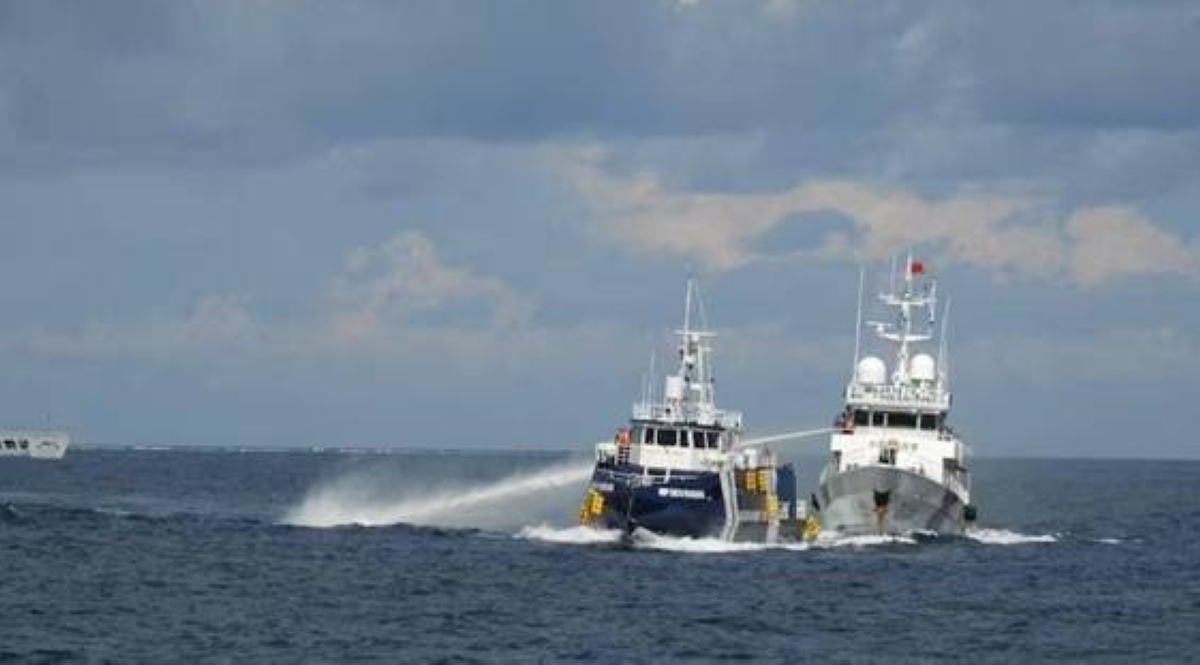
اتهمت الفلبين والصين بعضهما البعض، اليوم (الأحد)، بالمسؤولية عن مواجهة بحرية وقعت بالقرب من جزر متنازع عليها في بحر الصين الجنوبي، مما يعزز التوترات في هذه المياه الغنية بالموارد الطبيعية والاستراتيجية.
توترات بين الصين والفلبين
وألقى المجلس البحري الفلبيني، الجهاز الحكومي بين الوكالات، اللوم على القوات البحرية الصينية بسبب استخدام مدافع المياه وتصادم إحدى سفنها مع سفينة فلبينية قرب جزيرة ثيتو (باگ-آسا محليًا)، التي تسيطر عليها الفلبين، وأدان الحادثة بشدة، محذرًا من اتخاذ «إجراءات دبلوماسية مناسبة».
وفقًا لحرس السواحل الفلبيني، كانت ثلاث سفن فلبينية مرسية قرب الجزيرة صباح (الأحد) كجزء من برنامج حكومي لحماية الصيادين المحليين، عندما اقتربت سفن صينية واستخدمت مدافع مياه لترهيبها، وبعد ساعة، أطلقت سفينة حرس سواحل صينية المياه مباشرة على السفينة الفلبينية قبل أن تصطدم بمؤخرتها، مما تسبب في أضرار طفيفة دون إصابات، حسب التقارير.
سفينتان حكوميتان فلبينيتان
في المقابل، قال حرس السواحل الصيني إن سفينتين حكوميتين فلبينيتين «دخلتا دخولًا غير قانوني» مياه قرب رصيف ساندي كاي، مما أدى إلى التصادم.
وأضاف بكين أن السفينة الفلبينية «اقتربت بشكل خطير» من سفينة حرس سواحل صينية، محملة مانيلا بالمسؤولية. وتعهدت السلطات الفلبينية باستمرار عملياتها في المنطقة لحماية معيشة الصيادين الفلبينيين.
أمريكا تدين الصين
بدورها، دانت السفيرة الأمريكية في الفلبين، ماري كاي كارلسون، ما وصفته بـ«التصادم الخطير» الصيني مع السفينة الفلبينية، واصفة الحادثة بأنها «أعمال عدوانية» في بحر الصين الجنوبي، عبر منشور على منصة إكس.
وتُعد المنطقة المتنازع عليها، جزءًا من جزر سبارتلي، موقعًا لمواجهات متكررة بين البلدين على مر السنين، مع تصاعد التوترات أخيرًا حول شول سكاربورو ومناطق أخرى يدعي الصين سيادتها على معظم بحر الصين الجنوبي.
كما تدعي بروناي، وإندونيسيا، وماليزيا، والفلبين، وفيتنام حقوقًا على أجزاء من هذه المياه، التي تعد طريقًا تجاريًا استراتيجيًا يحمل أكثر من 3 تريليونات دولار سنويًا من التجارة البحرية.
The Philippines and China accused each other today (Sunday) of being responsible for a maritime confrontation that occurred near disputed islands in the South China Sea, escalating tensions in these resource-rich and strategically important waters.
Tensions Between China and the Philippines
The Philippine Maritime Council, the inter-agency government body, blamed the Chinese naval forces for using water cannons and for one of their ships colliding with a Philippine vessel near Thitu Island (locally known as Pag-asa), which is controlled by the Philippines. The council strongly condemned the incident, warning of taking "appropriate diplomatic measures."
According to the Philippine Coast Guard, three Philippine vessels were anchored near the island on Sunday morning as part of a government program to protect local fishermen when Chinese ships approached and used water cannons to intimidate them. After an hour, a Chinese Coast Guard ship directly sprayed water on the Philippine vessel before colliding with its stern, causing minor damage without injuries, according to reports.
Two Philippine Government Vessels
In contrast, the Chinese Coast Guard stated that two Philippine government vessels "illegally entered" waters near Sandy Cay, leading to the collision.
Beijing added that the Philippine vessel "approached dangerously" a Chinese Coast Guard ship, placing the responsibility on Manila. Philippine authorities have pledged to continue their operations in the area to protect the livelihoods of Filipino fishermen.
America Condemns China
For her part, the U.S. Ambassador to the Philippines, Mary Kay Carlson, condemned what she described as a "dangerous collision" by China with the Philippine vessel, calling the incident "aggressive actions" in the South China Sea, in a post on the X platform.
The disputed area, part of the Spratly Islands, has been the site of repeated confrontations between the two countries over the years, with tensions recently escalating over Scarborough Shoal and other areas that China claims sovereignty over in most of the South China Sea.
Brunei, Indonesia, Malaysia, the Philippines, and Vietnam also claim rights to parts of these waters, which are a strategic trade route carrying over $3 trillion annually in maritime trade.