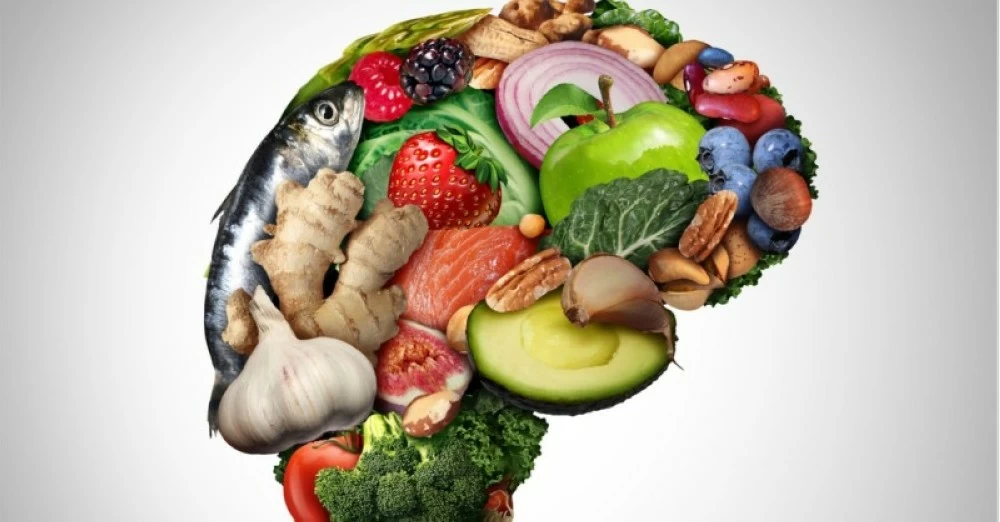
لا تبدأ العناية بصحة الدماغ من التمارين الذهنية فقط بل من الطبق اليومي الذي نتناوله، إذ يؤكد خبراء التغذية أن بعض الأطعمة قادرة على رفع كفاءة الذاكرة وتعزيز الاتصال العصبي بشكل مباشر، بفضل ما تحتويه من مكوّنات تدعم الأداء الإدراكي وتحمي الخلايا العصبية من التلف.
يعد الجوز من أبرز الأغذية الداعمة للدماغ، لما يحتويه من أحماض أوميغا-٣ النباتية وفيتامين E ومركبات البوليفينول. وتساعد هذه العناصر على بقاء أغشية الخلايا مرنة، بما يعزز التفاعل العصبي ويحافظ على الذاكرة، ويكفي تناول حفنة صغيرة يومياً للحصول على تلك الفوائد.
تتميّز الأسماك الدهنية، مثل السلمون والسردين والماكريل، بوفرة حمض DHA، وهو عنصر أساسي يدخل في تركيب الدماغ الذي تتشكل الدهون من نحو 60% منه. ويسهم هذا الحمض في تحسين الإشارات العصبية وتقليل الالتهابات وتعزيز القدرة على التفكير الواضح.
تدعم فلافونويدات التوت الأزرق تدفق الدم وتقوية الروابط العصبية، إضافةً إلى دورها في إصلاح التلف الناتج عن التوتر. وتشير دراسات إلى أن كبار السن الذين يستهلكونه بانتظام يتمتعون بذاكرة أفضل وقدرة أعلى على التعلم.
يمتاز الكركم باحتوائه على الكركمين الذي يستطيع عبور حاجز الدم الدماغي، ما يعزز إنتاج العامل المغذي للأعصاب BDNF، ويساعد على تكوين خلايا جديدة. كما يرفع مستويات السيروتونين والدوبامين، مما يحسن المزاج ويعزز الوظائف الإدراكية.
تضم السبانخ وغيرها من الخضراوات الورقية كميات كبيرة من فيتامين K وحمض الفوليك واللوتين، وهي عناصر تسهم في رفع سرعة الاستجابة العقلية وإبطاء التدهور الإدراكي عند الاستهلاك المنتظم.
يوفر البيض مادة الكولين المهمة لإنتاج الأستيل كولين، وهو ناقل عصبي أساسي للذاكرة والتعلم. كما يمد الجسم بفيتامينات B6 وB12 وحمض الفوليك، التي تقلل بدورها مستويات الهوموسيستين المرتبطة بضعف الذاكرة.
يساعد الكافيين في القهوة على الحد من تأثير الأدينوزين المسبب للنعاس، كما يرفع الدوبامين ويزيد اليقظة والتركيز. وتعمل مضادات الأكسدة فيها على حماية الخلايا العصبية، وقد ارتبط تناولها المعتدل بانخفاض احتمال الإصابة بأمراض إدراكية مثل الزهايمر.
تحتوي بذور اليقطين على مجموعة من المعادن المهمة للدماغ، مثل المغنيسيوم والزنك والحديد والنحاس، التي تدعم التعلم وتنظيم الإشارات العصبية وتحسين سرعة التفاعل الذهني. وتكفي ملعقة واحدة يومياً لتقليل ضبابية التفكير.
تساعد الشوكولاتة الداكنة ذات تركيز الكاكاو المرتفع على تنشيط الدورة الدموية داخل الدماغ وإطلاق الإندورفين. وتعمل فلافونويداتها على دعم مسارات الذاكرة، فيما يمنح الكافيين الخفيف قدرة على التركيز دون إجهاد.
توفر الحبوب الكاملة، مثل الشوفان والأرز البني، طاقة ثابتة من الغلوكوز، وهو ما يدعم وظائف الدماغ طوال اليوم. كما تساهم فيتامينات B الموجودة بها في تعزيز التركيز وتحسين الحالة المزاجية.
خطة يومية فعّالة
يمكن دمج هذه الأطعمة بسهولة ضمن الروتين اليومي، عبر إضافة الجوز أو بذور اليقطين إلى وجبة الفطور، وتناول الأسماك الدهنية مرتين أو 3 مرات أسبوعياً، وإدراج التوت الأزرق والشوكولاتة الداكنة باعتدال. كما يمكن إضافة القليل من الكركم للأطباق، وتناول الخضراوات الورقية والبيض مع خبز مصنوع من الحبوب الكاملة لضمان أفضل دعم ممكن لصحة الدماغ.
Brain health care does not start only with mental exercises but also with the daily plate we consume. Nutrition experts confirm that certain foods can directly enhance memory efficiency and strengthen neural connections, thanks to their components that support cognitive performance and protect nerve cells from damage.
Walnuts are among the most prominent brain-supporting foods due to their content of plant-based omega-3 fatty acids, vitamin E, and polyphenol compounds. These elements help keep cell membranes flexible, enhancing neural interaction and preserving memory, and a small handful daily is sufficient to gain these benefits.
Fatty fish, such as salmon, sardines, and mackerel, are rich in DHA, an essential component of the brain, which is made up of about 60% fat. This acid contributes to improving neural signals, reducing inflammation, and enhancing clear thinking.
The flavonoids in blueberries support blood flow and strengthen neural connections, in addition to their role in repairing stress-related damage. Studies indicate that older adults who consume them regularly enjoy better memory and higher learning capacity.
Turmeric is distinguished by its content of curcumin, which can cross the blood-brain barrier, enhancing the production of the nerve growth factor BDNF and aiding in the formation of new cells. It also raises levels of serotonin and dopamine, improving mood and enhancing cognitive functions.
Spinach and other leafy greens contain large amounts of vitamin K, folic acid, and lutein, which contribute to increasing mental response speed and slowing cognitive decline with regular consumption.
Eggs provide choline, which is essential for producing acetylcholine, a key neurotransmitter for memory and learning. They also supply the body with vitamins B6, B12, and folic acid, which in turn reduce levels of homocysteine associated with memory impairment.
Caffeine in coffee helps reduce the effects of adenosine, which causes drowsiness, while increasing dopamine and enhancing alertness and concentration. The antioxidants in coffee protect nerve cells, and moderate consumption has been linked to a lower risk of cognitive diseases such as Alzheimer’s.
Pumpkin seeds contain a range of important minerals for the brain, such as magnesium, zinc, iron, and copper, which support learning, regulate neural signals, and improve mental reaction speed. Just one tablespoon daily is enough to reduce mental fog.
High-cocoa dark chocolate helps activate blood circulation in the brain and release endorphins. Its flavonoids support memory pathways, while the mild caffeine provides the ability to focus without strain.
Whole grains, such as oats and brown rice, provide a steady source of glucose, which supports brain functions throughout the day. The B vitamins they contain also contribute to enhancing concentration and improving mood.
Effective Daily Plan
These foods can be easily integrated into the daily routine by adding walnuts or pumpkin seeds to breakfast, consuming fatty fish two or three times a week, and including blueberries and dark chocolate in moderation. A little turmeric can be added to dishes, and leafy greens and eggs can be eaten with whole grain bread to ensure the best possible support for brain health.