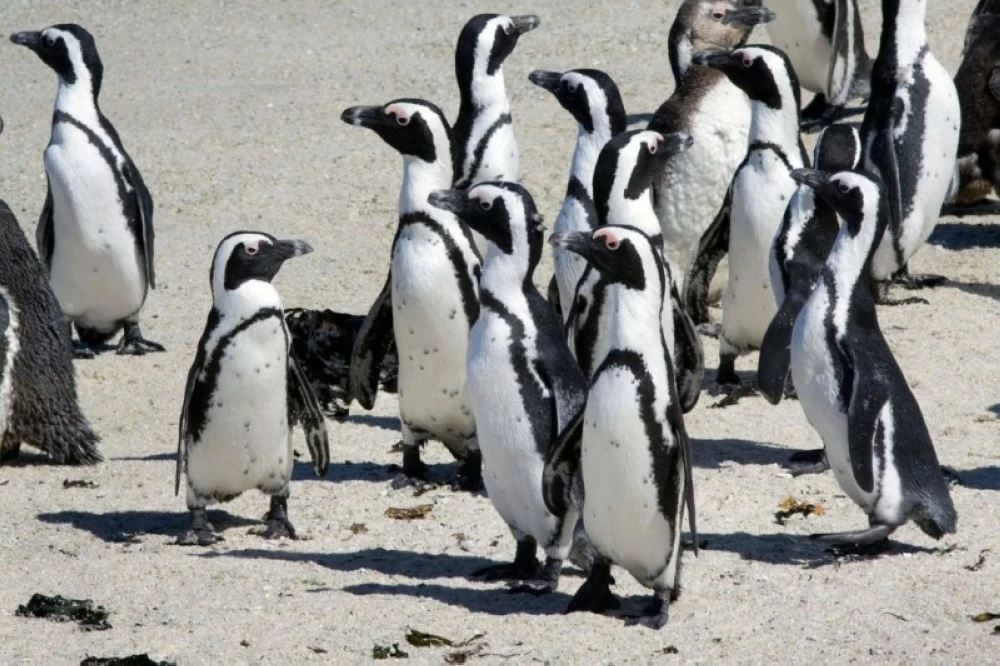
كشفت دراسة علمية حديثة نُشرت في مجلة «Ostrich: Journal of African Ornithology» عن كارثة بيئية مروعة وهي تجويع أكثر من 60 ألف بطريق أفريقي حتى الموت في مستعمرات قبالة سواحل جنوب أفريقيا، وذلك نتيجة اختفاء السردين، الغذاء الرئيسي لهذه الطيور.
البطريق الأفريقي يواجه أزمة انقراض
وبين عامي 2004 و 2012، انهارت مستعمرتا جزيرة داسن وجزيرة روبن– وهما من أهم مواقع تكاثر البطاريق الأفريقية – حيث مات أكثر من 95% من البطاريق البالغة التي تتكاثر فيهما.
ويعتقد الباحثون أن معظم هذه البطاريق ماتت جوعًا خلال فترة التغيير السنوي للريش، وهي الفترة التي تمتنع فيها عن الصيد لمدة 21 يومًا تقريبًا، وتعتمد كليًا على الدهون التي خزّنتها مسبقًا.
وقال الدكتور ريتشارد شيرلي من مركز علم البيئة والحفاظ على البيئة بجامعة إكستر البريطانية: «إذا لم يتمكن البطريق من العثور على طعام كافٍ قبل أو مباشرة بعد تغيير الريش، فلن يملك احتياطيات كافية للصمود، لا نجد جثثًا متراكمة على الشواطئ، ونعتقد أن معظمها يموت في أعالي البحار».
اختفاء السردين سبب وفاة البطاريق
وأظهرت الدراسة أن كتلة السردين من نوع Sardinops sagax قبالة الساحل الغربي لجنوب أفريقيا انخفضت إلى أقل من 25% من أعلى مستوى لها في كل عام تقريبًا منذ 2004 (باستثناء 3 سنوات فقط).
وتسبّب تغيّر المناخ في ارتفاع درجة حرارة المياه وتغيّر ملوحتها، مما أضعف تكاثر هذه الأسماك، في حين ظلّت أنشطة الصيد التجاري مرتفعة جدًا.
انخفاض عدد البطاريق الأفريقية بنسبة 80%
وخلال الثلاثين سنة الماضية، انخفض عدد البطاريق الأفريقية بنسبة تقارب 80%، وفي عام 2024 تم تصنيفها رسميًا بأنها مهددة بخطر الانقراض الحرج، إذ لم يعد يوجد سوى أقل من 10 آلاف زوج تكاثر في البرية.
إجراءات جنوب أفريقيا للحفاظ على البطاريق
واتخذت جنوب أفريقيا إجراءات طارئة، منها: حظر صيد السردين والأنشوبي بالشباك المحيطة (purse-seine) حول أكبر 6 مستعمرات للبطاريق، بناء أعشاش اصطناعية لحماية الصيصان، تربية يدوية للبالغين والصغار الذين يتم إنقاذهم.
وقال الدكتور أزويانيوي ماكادو، أحد مؤلفي الدراسة من وزارة الغابات والثروة السمكية والبيئة في جنوب أفريقيا: «نأمل أن يزيد هذا الحظر من توافر الفرائس للبطاريق خلال الفترات الحرجة من دورة حياتها».
فيما وصفت الدكتورة لوريان بيشغرو، أستاذة علم الأحياء البحرية بجامعة نيلسون مانديلا (غير مشاركة في الدراسة)، النتائج بأنها «مقلقة للغاية»، وحذّرت من أن سوء إدارة مخزون الأسماك الصغيرة على مدى عقود هو السبب الرئيسي، مشددة على أن الوضع لم يتحسن منذ 2011، بل ازداد سوءًا.
وختمت قائلة: «نحتاج إلى إجراءات عاجلة وجريئة لإنقاذ مخزون الأسماك الصغيرة، ليس فقط من أجل البطاريق الأفريقية، بل من أجل جميع الأنواع المحلية التي تعتمد عليها».
A recent scientific study published in the journal "Ostrich: Journal of African Ornithology" revealed a horrific environmental disaster: the starvation of more than 60,000 African penguins to death in colonies off the coast of South Africa, due to the disappearance of sardines, the primary food source for these birds.
The African Penguin Faces an Extinction Crisis
Between 2004 and 2012, the colonies on Dassen Island and Robben Island—two of the most important breeding sites for African penguins—collapsed, with more than 95% of the adult penguins breeding there dying.
Researchers believe that most of these penguins starved during the annual molting period, a time when they refrain from foraging for about 21 days and rely entirely on the fat they had previously stored.
Dr. Richard Sherley from the Centre for Ecology and Conservation at the University of Exeter in the UK stated: "If the penguin cannot find enough food before or just after molting, it will not have sufficient reserves to survive. We do not find carcasses piling up on the beaches, and we believe that most of them die in the open sea."
The Disappearance of Sardines is the Cause of Penguin Deaths
The study showed that the biomass of sardines of the species Sardinops sagax off the west coast of South Africa has declined to less than 25% of its peak level in almost every year since 2004 (except for just 3 years).
Climate change has caused water temperatures to rise and salinity to change, which has weakened the breeding of these fish, while commercial fishing activities have remained very high.
An 80% Decline in African Penguin Numbers
Over the past thirty years, the number of African penguins has decreased by nearly 80%, and in 2024 they were officially classified as critically endangered, with fewer than 10,000 breeding pairs remaining in the wild.
South Africa's Measures to Protect Penguins
South Africa has taken emergency measures, including: banning sardine and anchovy fishing with purse-seine nets around the six largest penguin colonies, building artificial nests to protect chicks, and hand-rearing rescued adults and juveniles.
Dr. Azwianewi Makado, one of the study's authors from the Department of Forestry, Fisheries and the Environment in South Africa, stated: "We hope that this ban will increase the availability of prey for penguins during critical periods of their life cycle."
Meanwhile, Dr. Lorian Pechgrew, a marine biology professor at Nelson Mandela University (not involved in the study), described the results as "extremely concerning," warning that mismanagement of small fish stocks over decades is the main reason, emphasizing that the situation has not improved since 2011 but has worsened.
She concluded by saying: "We need urgent and bold actions to save small fish stocks, not only for African penguins but for all local species that depend on them."