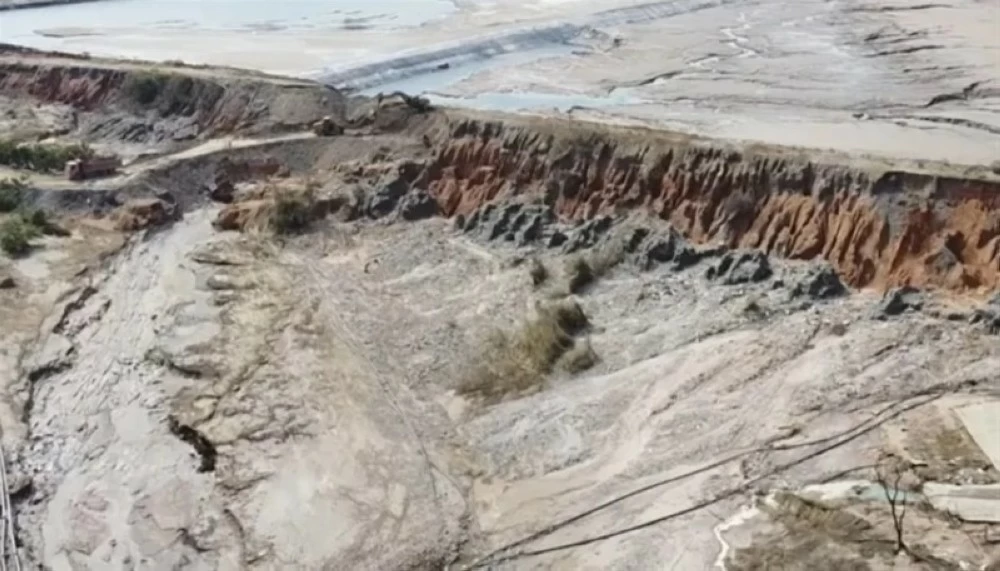
في واحدة من أكبر الكوارث البيئية الحديثة في زامبيا، تسبب انهيار سد تابع لمنجم نحاس مملوك لشركة صينية في تسرّب كميات هائلة من مخلفات التعدين السامة إلى نهر كافوي الذي يعتبر المصدر الرئيسي لمياه الشرب، ما زاد المخاوف من آثار صحية وبيئية طويلة الأمد على آلاف الأسر.
وأكّد عامل منجم النحاس لاميك أن ظروف العمل كانت محفوفة بالمخاطر حتى قبل انهيار السد، حيث كان يستخدم معدات وقائية تالفة بشكل متكرر بسبب نقص البدائل. وفي فبراير الماضي، أدى انهيار السد إلى تسرب ما بين 50 ألف طن وفق تقديرات الحكومة، وإلى 1.5 مليون طن بحسب خبراء بيئيين، من الحطام الحمضي المحمّل بالزرنيخ والزئبق والرصاص.
كارثة المنجم أثّرت على حياة المزارعين المحليين، حيث لقيت الأسماك حتفها وتلفت المحاصيل، وتحولت مياه الشرب إلى غير صالحة للاستخدام في مناطق واسعة من تشامبيشي وكيتوي، وفق شهادات السكان. ويحذر أكاديميون في جامعة كوبربيلت من انتشار المعادن الثقيلة جنوباً حتى العاصمة لوساكا، ما قد يزيد من خطر الإصابة بأمراض مزمنة مثل الفشل الكلوي والسرطان.
وفي المقابل، شكّكت السفارة الصينية في لوساكا بحجم الأضرار، بينما أعلنت الحكومة الزامبية أن التلوث محصور وأن حموضة المياه عادت لمستوياتها الطبيعية، مؤكدة عدم وجود مخاطر طويلة الأمد.
وتطورت الأزمة لتصبح قضية قانونية ضخمة، إذ رفع 176 مزارعاً دعوى تعويض بقيمة 80 مليار دولار ضد شركتي Sino-Metals وNFC Africa المالكتين للمنجم، متهمين إياهما بسوء الإدارة والتشغيل، في واحدة من أكبر القضايا البيئية في تاريخ زامبيا. ويقول المدّعون إن نحو 300 ألف أسرة تضررت مباشرة من التسرب، ما يجعل القضية اختباراً حقيقياً لقدرة الدولة على محاسبة الاستثمارات الأجنبية.
ويمكن القول إن المزارعين يدفعون الثمن الأكبر، إذ تحكي المزارعة أبيجيل نامتوي أن ابنتها تعاني سوء تغذية حاد نتيجة تدهور الزراعة، بينما يشير جارها فريدريك بواليا إلى معاناته من آلام مزمنة ربما تكون مرتبطة بتلوث المياه واختفاء الأسماك من النهر.
ويحذر الباحثون من أن آثار الكارثة قد تستمر لعشر سنوات أو أكثر إذا لم تُتخذ إجراءات علاجية عاجلة، فيما تنفي الصين الاتهامات المتعلقة بالاستعمار الجديد، مؤكدة أن استثماراتها توفر فرص عمل ورأس مال وخبرات حيوية، لكن الواقع على الأرض يبرز صراعاً معقداً بين التنمية، والديون، والبيئة وحياة آلاف الأسر الزامبية.
In one of the largest modern environmental disasters in Zambia, the collapse of a dam belonging to a copper mine owned by a Chinese company caused massive amounts of toxic mining waste to leak into the Kafue River, which is the main source of drinking water, raising concerns about the long-term health and environmental effects on thousands of families.
A copper miner named Lamek confirmed that working conditions were hazardous even before the dam collapse, as damaged protective equipment was frequently used due to a lack of alternatives. Last February, the dam's collapse led to the leakage of between 50,000 tons according to government estimates, and up to 1.5 million tons according to environmental experts, of acidic debris laden with arsenic, mercury, and lead.
The mining disaster has impacted the lives of local farmers, as fish have died and crops have been damaged, turning drinking water unsafe for use in wide areas of Chambishi and Kitwe, according to residents' testimonies. Academics at the Copperbelt University warn of the spread of heavy metals southward to the capital, Lusaka, which could increase the risk of chronic diseases such as kidney failure and cancer.
In contrast, the Chinese embassy in Lusaka has questioned the extent of the damage, while the Zambian government has stated that the pollution is contained and that the acidity of the water has returned to normal levels, asserting that there are no long-term risks.
The crisis has evolved into a massive legal issue, with 176 farmers filing a compensation lawsuit worth $80 billion against the companies Sino-Metals and NFC Africa, which own the mine, accusing them of mismanagement and operation, in one of the largest environmental cases in Zambia's history. The plaintiffs claim that around 300,000 families have been directly affected by the leak, making the case a real test of the state's ability to hold foreign investments accountable.
It can be said that the farmers are paying the highest price, as farmer Abigail Namutwi recounts that her daughter suffers from severe malnutrition due to the decline in agriculture, while her neighbor Frederick Bwalya points to his chronic pain, which may be linked to water pollution and the disappearance of fish from the river.
Researchers warn that the effects of the disaster may last for ten years or more if urgent remedial actions are not taken, while China denies accusations related to neo-colonialism, asserting that its investments provide job opportunities, capital, and vital expertise, but the reality on the ground highlights a complex struggle between development, debt, the environment, and the lives of thousands of Zambian families.