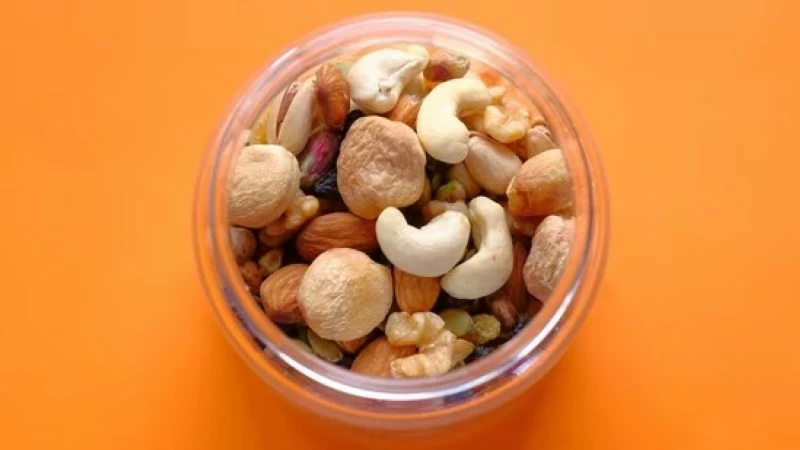
تثير الوجبات الخفيفة قلقاً لدى كثير من المهتمين باللياقة البدنية الذين يحرصون على حساب احتياجاتهم الغذائية بدقة، إذ يسهل التخطيط للوجبات الرئيسية وفق النظام الغذائي، بينما تبقى «السناكس» مساحة رمادية قد تخلّ بالتوازن الغذائي.
لكن اختيار وجبات خفيفة غنية بالألياف يمكن أن يكون حلاً بسيطاً وفعّالاً، خاصة أن كثيراً من الأشخاص لا يحققون الكمية اليومية الموصى بها من الألياف.
وفي منشور عبر «إنستغرام»، استعرض اختصاصي أمراض الجهاز الهضمي المقيم في كاليفورنيا والحاصل على تدريب في مؤسسات طبية مرموقة الدكتور سوراب سيثي، قائمة بأفضل 8 وجبات خفيفة مرتبة حسب محتواها من الألياف.
أفضل 8 وجبات خفيفة
الإدامامي المحمص الجاف: يُعد الخيار الأفضل من حيث محتوى الألياف، إذ تحتوي الحصة الواحدة على نحو 7 – 8 غرامات من الألياف.
الحمص المحمص: توفر الحصة الواحدة نحو 5 – 6 غرامات من الألياف، ما يجعله خياراً مشبعاً ومغذياً.
التفاح مع زبدة المكسرات: من الخيارات الصحية المتوازنة، إذ تحتوي الحصة على4 – 5 غرامات من الألياف، إلى جانب الدهون الصحية.
خليط المكسرات والبذور: يحتوي على 3 – 4 غرامات من الألياف لكل حصة، بحسب المكونات.
اللوز: يوفر نحو 3.5 غرام من الألياف في الحصة الواحدة.
الفشار المحضّر بالهواء الساخن: خيار صحي نسبياً، ويحتوي على 3 – 3.5 غرام من الألياف.
الفستق: تمنح الحصة الواحدة نحو 3 غرامات من الألياف.
الشوكولاتة الداكنة (70 – 85%): توفر قرابة 3 غرامات من الألياف في الحصة.
لماذا نحتاج الألياف الغذائية؟
رغم أن الألياف لا تُهضم ولا يمتصها الجسم، فإنها عنصر أساسي في النظام الغذائي المتوازن لما تؤديه من وظائف مهمة داخل الجسم.
وبحسب Mayo Clinic، تنقسم الألياف الغذائية إلى نوعين رئيسيين:
الألياف القابلة للذوبان وهي التي تذوب في الماء وتكوّن مادة هلامية في المعدة، وتُبطئ عملية الهضم، وتساعد على خفض مستويات الكوليسترول وسكر الدم، وتوجد في الشوفان، البقوليات، التفاح، الموز، الحمضيات، بذور السيليوم.
الألياف غير القابلة للذوبان وهي التي لا تذوب في الماء، وتضيف حجماً للفضلات وتُسهّل حركتها عبر الجهاز الهضمي، وتوجد في دقيق القمح الكامل، نخالة القمح، المكسرات، الفاصوليا، وخضروات مثل القرنبيط والفاصوليا الخضراء والبطاطس.
وتوصي Mayo Clinic بالكميات اليومية التالية للبالغين:
- النساء أقل من 50 عاماً: 25 غراماً يومياً.
- النساء فوق 50 عاماً: 21 غراماً.
- الرجال أقل من 50 عاماً: 38 غراماً.
- الرجال فوق 50 عاماً: 30 غراماً.
وتؤكد أن اختيار وجبة خفيفة غنية بالألياف لا يساعد فقط في سد الجوع بين الوجبات، بل يدعم صحة الجهاز الهضمي، ويساهم في تنظيم مستويات السكر والكوليسترول، ويعزز الشعور بالشبع لفترة أطول.
Snacks raise concerns among many fitness enthusiasts who are keen on accurately calculating their nutritional needs, as it is easier to plan main meals according to a diet, while "snacks" remain a gray area that may disrupt nutritional balance.
However, choosing fiber-rich snacks can be a simple and effective solution, especially since many people do not meet the recommended daily intake of fiber.
In a post on Instagram, California-based gastroenterologist Dr. Surab Sethi, who has training from prestigious medical institutions, showcased a list of the top 8 snacks ranked by their fiber content.
Top 8 Snacks
Dried roasted edamame: This is the best option in terms of fiber content, with a single serving containing about 7 – 8 grams of fiber.
Roasted chickpeas: A single serving provides about 5 – 6 grams of fiber, making it a satisfying and nutritious choice.
Apple with nut butter: This is a balanced healthy option, with a serving containing 4 – 5 grams of fiber, along with healthy fats.
Nut and seed mix: Contains 3 – 4 grams of fiber per serving, depending on the ingredients.
Almonds: Provide about 3.5 grams of fiber in a single serving.
Air-popped popcorn: A relatively healthy option, containing 3 – 3.5 grams of fiber.
Pistachios: A single serving offers about 3 grams of fiber.
Dark chocolate (70 – 85%): Provides nearly 3 grams of fiber per serving.
Why Do We Need Dietary Fiber?
Although fiber is not digested or absorbed by the body, it is an essential component of a balanced diet due to its important functions within the body.
According to the Mayo Clinic, dietary fiber is divided into two main types:
Soluble fiber, which dissolves in water and forms a gel-like substance in the stomach, slows down digestion, helps lower cholesterol and blood sugar levels, and is found in oats, legumes, apples, bananas, citrus fruits, and psyllium seeds.
Insoluble fiber, which does not dissolve in water, adds bulk to waste and helps move it through the digestive system, and is found in whole wheat flour, wheat bran, nuts, beans, and vegetables such as cauliflower, green beans, and potatoes.
The Mayo Clinic recommends the following daily amounts for adults:
- Women under 50 years: 25 grams daily.
- Women over 50 years: 21 grams.
- Men under 50 years: 38 grams.
- Men over 50 years: 30 grams.
It emphasizes that choosing a fiber-rich snack not only helps satisfy hunger between meals but also supports digestive health, contributes to regulating blood sugar and cholesterol levels, and enhances the feeling of fullness for a longer period.