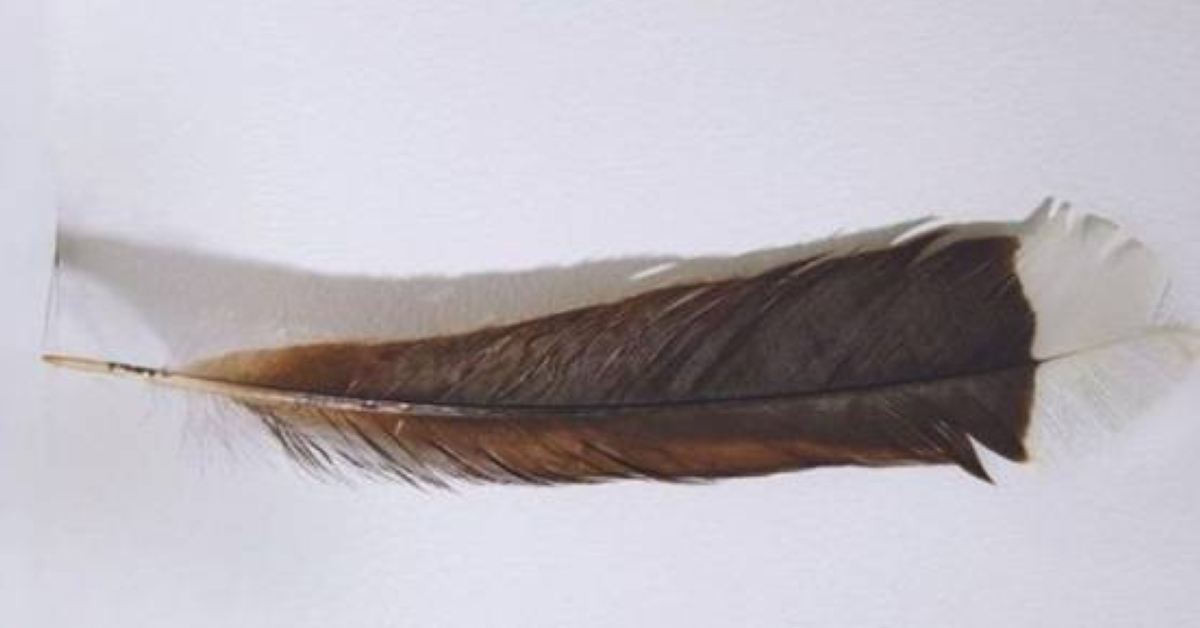
في حدث استثنائي، بيعت ريشة نادرة لطائر الهويا المنقرض، وهو طائر محلي في نيوزيلندا، في مزاد علني بقيمة 46 ألف دولار نيوزيلندي (نحو 30 ألف دولار أمريكي)، لتصبح أغلى ريشة في العالم.
طائر الهويا المنقرض
طائر الهويا، الذي كان يعيش في غابات جزيرة نورث آيلاند النيوزيلندية، انقرض في أوائل القرن العشرين بسبب الصيد الجائر وفقدان موائله الطبيعية.
كانت هذه الريشة، التي تزن 9 غرامات فقط، متوقعا أن تجلب ما يصل إلى 3 آلاف دولار فقط في المزاد الذي نظمته دار ويب للمزادات في أوكلاند، لكن الطلب الكبير من هواة الجمع وأهميتها الثقافية رفعا سعرها إلى مستوى قياسي.
مميزات ريشة طائر الهويا
وتتميز الريشة بحالتها الممتازة، إذ تحتفظ بألوانها البنية الغنية واللمعان المتلألئ دون أي علامات تلف أو ضرر من الحشرات، وهي ميزة نادرة جدا في مثل هذه القطع التاريخية.
وقالت رئيسة قسم الفنون الزخرفية في دار ويب ليا موريس، لصحيفة «الغارديان»: «طائر الهويا يحمل مكانة رمزية في نيوزيلندا، وهذه الريشة مثالية من حيث الحفاظ على جودتها وألوانها الطبيعية. يرتبط الكثيرون عاطفيا بهذا الطائر بسبب تاريخه وأهميته الثقافية».
ريش طائر الهويا المنقرض.
تُعد ريشة الهويا ذات قيمة خاصة لدى شعب الماوري، السكان الأصليين لنيوزيلندا، إذ كان الزعماء والقادة يرتدونها كزينة للرأس في المناسبات الرسمية، مما يعكس مكانتهم الاجتماعية والروحية.
تتميز الريشة بألوانها المميزة، التي تجمع بين البني الداكن ولمسات بيضاء عند الأطراف، مما جعلها رمزا للهيبة والجمال في الثقافة الماورية. ومع انقراض الطائر، أصبحت هذه الريش ذات قيمة استثنائية، سواء لقيمتها التاريخية أو لندرة الحصول عليها.
ووفقا لتقارير من دار ويب للمزادات، شهد المزاد منافسة شديدة بين هواة الجمع من داخل نيوزيلندا وخارجها، مما يعكس الاهتمام العالمي بالقطع الأثرية المرتبطة بالتراث الطبيعي والثقافي.
كنز وطني فريد
وأشارت موريس إلى أن الريشة التي بيعت كانت جزءا من مجموعة خاصة، وقد تم الاحتفاظ بها في ظروف مثالية لعقود، مما ساهم في حفاظها على حالتها الأصلية. وأضافت أن هذا النوع من الريش يُعتبر كنزا وطنيا، إذ يُنظر إليه كرمز للتنوع البيولوجي الفريد في نيوزيلندا.
طائر الهويا المنقرض.
تاريخيا، كان طائر الهويا معروفا بمظهره الفريد وسلوكه الاجتماعي، إذ كان الذكر والأنثى يختلفان بشكل ملحوظ في شكل منقاريهما، مما جعله موضوعا للإعجاب والدراسة.
ومع وصول المستوطنين الأوروبيين، أدى الطلب المتزايد على ريش الهويا لأغراض الموضة والجمع إلى استنزاف أعداده بسرعة، وبحلول عام 1907، سُجلت آخر مشاهدة مؤكدة لطائر الهويا في البرية، مما جعل أي قطعة متبقية منه، مثل الريش، ذات قيمة استثنائية.
تعزيز الوعي البيئي
أثارت هذه البيعة نقاشات حول أهمية الحفاظ على التراث الطبيعي والثقافي، إذ دعا نشطاء بيئيون إلى تعزيز الوعي بحماية الأنواع المهددة بالانقراض في نيوزيلندا وخارجها.
كما أكدت دار المزادات أنها ملتزمة بضمان التعامل مع مثل هذه القطع بمسؤولية، مع احترام الأهمية الثقافية لشعب الماوري، كما يُعد هذا المزاد بمثابة تذكير بقيمة التراث الطبيعي، ويبرز الدور الذي تلعبه القطع الأثرية في الحفاظ على ذاكرة الأنواع المنقرضة.
In an exceptional event, a rare feather from the extinct Huia bird, a native bird of New Zealand, was sold at a public auction for 46,000 New Zealand dollars (about 30,000 US dollars), making it the most expensive feather in the world.
The Extinct Huia Bird
The Huia bird, which lived in the forests of New Zealand's North Island, went extinct in the early 20th century due to overhunting and loss of its natural habitat.
This feather, weighing only 9 grams, was expected to fetch up to 3,000 dollars at the auction organized by Webb's Auction House in Auckland, but high demand from collectors and its cultural significance drove its price to a record level.
Features of the Huia Bird Feather
The feather is distinguished by its excellent condition, retaining its rich brown colors and shimmering luster without any signs of damage or insect harm, a very rare feature in such historical pieces.
Leah Morris, head of decorative arts at Webb's, told The Guardian: "The Huia bird holds symbolic significance in New Zealand, and this feather is perfect in terms of preserving its quality and natural colors. Many people have an emotional connection to this bird due to its history and cultural importance."
ريش طائر الهويا المنقرض.
The Huia feather holds special value for the Māori people, the indigenous inhabitants of New Zealand, as leaders and chiefs wore it as a head adornment during official occasions, reflecting their social and spiritual status.
The feather is characterized by its distinctive colors, combining dark brown with white tips at the edges, making it a symbol of prestige and beauty in Māori culture. With the extinction of the bird, these feathers have become exceptionally valuable, both for their historical significance and their rarity.
According to reports from Webb's Auction House, the auction witnessed fierce competition among collectors from within New Zealand and abroad, reflecting global interest in artifacts related to natural and cultural heritage.
A Unique National Treasure
Morris noted that the feather sold was part of a private collection and had been kept in ideal conditions for decades, contributing to its preservation in its original state. She added that this type of feather is considered a national treasure, viewed as a symbol of New Zealand's unique biodiversity.
طائر الهويا المنقرض.
Historically, the Huia bird was known for its unique appearance and social behavior, with males and females differing significantly in the shape of their beaks, making it a subject of admiration and study.
With the arrival of European settlers, the increasing demand for Huia feathers for fashion and collecting rapidly depleted their numbers, and by 1907, the last confirmed sighting of the Huia bird in the wild was recorded, making any remaining piece from it, such as the feather, exceptionally valuable.
Raising Environmental Awareness
This sale sparked discussions about the importance of preserving natural and cultural heritage, as environmental activists called for increased awareness of protecting endangered species in New Zealand and beyond.
The auction house also confirmed its commitment to ensuring responsible handling of such pieces, respecting the cultural significance to the Māori people, and this auction serves as a reminder of the value of natural heritage, highlighting the role artifacts play in preserving the memory of extinct species.