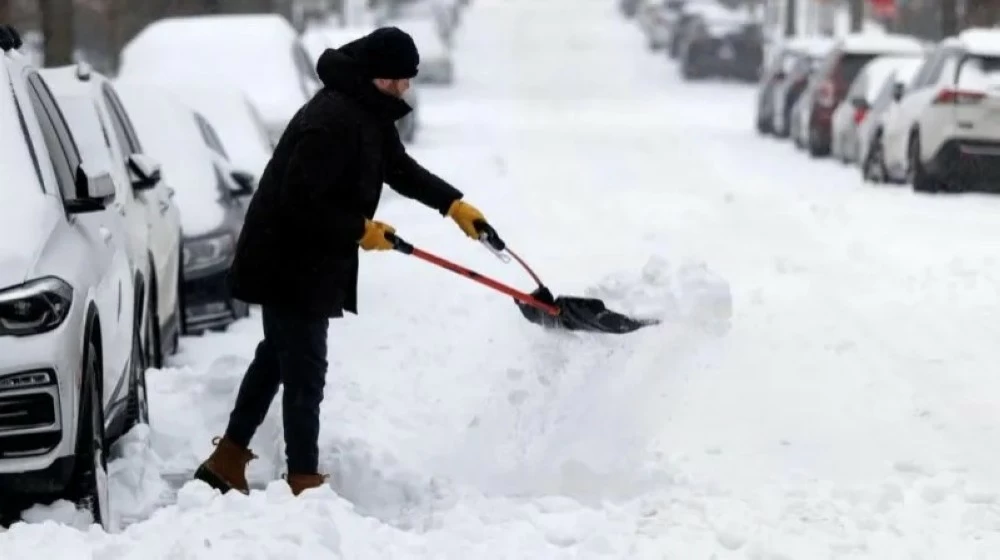
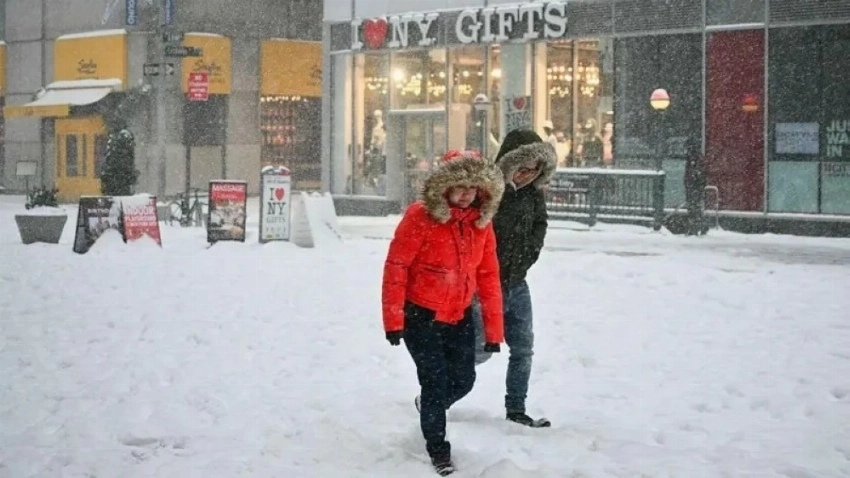
اجتاحت عاصفة شتوية شديدة الخطورة مناطق واسعة من الولايات المتحدة، متسببة في وفاة ما لا يقل عن 7 أشخاص، وانقطاع التيار الكهربائي عن مئات الآلاف من المنازل، وسط ظروف جوية وصفتها السلطات بأنها «مهدِّدة للحياة».
انقطاع الكهرباء عن 800 ألف منزل
وأفادت هيئة الأرصاد الجوية الوطنية الأمريكية بأن العاصفة امتدت من ولاية تكساس جنوباً وصولاً إلى نيو إنغلاند شمالاً، ما أدى إلى إغلاق المدارس والطرق وتعليق آلاف الرحلات الجوية. ووفقاً لموقع PowerOutage، فقد انقطعت الكهرباء عن أكثر من 800 ألف منزل حتى ظهر يوم الأحد، في حين أعلنت منصة FlightAware إلغاء أكثر من 11 ألف رحلة جوية.
7 قتلى بسبب عاصفة ثلجية
وسُجِّلت حالتا وفاة نتيجة انخفاض حرارة الجسم في ولاية لويزيانا، بينما أُبلغ عن وفيات أخرى مرتبطة بالعاصفة في ولايات تكساس وتينيسي وكانساس، كما أعلن عمدة مدينة أوستن في تكساس عن وفاة شخص نتيجة التعرّض المباشر للبرد القارس.
وفي ولاية كانساس، عثرت السلطات على جثة امرأة مغطاة بالثلوج، مشيرة إلى أنها "ربما فارقت الحياة بسبب انخفاض حرارة الجسم"، كما أُبلغ عن 3 وفيات إضافية مرتبطة بالأحوال الجوية القاسية في ولاية تينيسي.
التحقيق في وفاة 5 أشخاص
وفي نيويورك، أعلن عمدة المدينة زهران ممداني وفاة 5 أشخاص يوم السبت، موضحاً أن أسباب الوفاة لا تزال قيد التحقيق، لكنه شدد على أن «هذه المأساة تذكير سنوي بأن البرد القارس يودي بحياة سكان نيويورك كل عام».
تساقط الثلوج
وتشهد مناطق واسعة تساقطاً كثيفاً للثلوج، إلى جانب أمطار متجمدة وبَرَد، وهي ظاهرة خطيرة تتسبب في تجمد قطرات المطر فور ملامستها للأسطح، ما يزيد من مخاطر الانزلاق وحوادث السير.
ويتوقع خبراء الأرصاد أن تستمر هذه الأحوال أياماً عدة، مع احتمال تأثر نحو 180 مليون أمريكي، أي أكثر من نصف سكان البلاد.
ونقلت شبكة CBS News عن خبيرة الأرصاد في هيئة الطقس الوطنية، أليسون سانتوريللي، قولها إن ذوبان الثلوج والجليد سيكون بطيئاً للغاية، ما سيعوق جهود التعافي وعودة الحياة إلى طبيعتها.
من جهتها، حذّرت حاكمة ولاية نيويورك، كاثي هوكول، السكان من مغادرة منازلهم أو استخدام الطرق، مؤكدة أن الولاية تشهد أبرد وأقسى عاصفة شتوية منذ سنوات.
طوارئ بالولايات الأمريكية
وأضافت أن «حصاراً قطبياً» يفرض سيطرته على الولاية وعدد كبير من الولايات الأخرى، متوقعة أطول موجة برد وأعلى معدلات تساقط ثلوج منذ أعوام.
وفي ولايتي فرجينيا وكنتاكي، استجابت السلطات لمئات الحوادث المرورية الناتجة عن الطرق الزلِقة، فيما حذر خبراء الطقس من أن الجليد يمثل الخطر الأكبر، نظراً لقدراته التدميرية على الأشجار وخطوط الكهرباء وسلامة الطرق.
وامتدت تداعيات العاصفة إلى كندا، إذ شهدت مقاطعة أونتاريو تساقطاً كثيفاً للثلوج، مع توقعات بتراكمها بين 15 و30 سنتيمتراً، إلى جانب إلغاء مئات الرحلات الجوية.
وأعلنت نحو نصف الولايات الأمريكية حالة الطوارئ، كما أُلغيت الدروس في عدد كبير من المدارس، وأجّل مجلس الشيوخ الأمريكي تصويتاً كان مقرراً مساء الإثنين بسبب الأحوال الجوية.
ظاهرة الدوّامة القطبية
ويرجع خبراء الأرصاد هذه العاصفة العنيفة إلى ظاهرة «الدوّامة القطبية»، وهي حلقة من الرياح القوية تحيط بالقطب الشمالي وتحتجز هواءً شديد البرودة، وعندما تضعف هذه الرياح، ينزلق الهواء القطبي جنوباً، إذ يلتقي بالهواء الدافئ، ما يؤدي إلى تشكل عواصف قوية.
ويتوقع أن تستمر درجات الحرارة الخطيرة حتى مطلع شهر فبراير، في وقت يرى فيه بعض الخبراء أن التغير المناخي قد يسهم في اضطراب سلوك الدوامة القطبية نتيجة ارتفاع حرارة المحيطات.
A severe winter storm has swept across vast areas of the United States, causing the deaths of at least 7 people and leaving hundreds of thousands of homes without power, amid weather conditions described by authorities as "life-threatening."
Power outages affecting 800,000 homes
The National Weather Service reported that the storm extended from Texas in the south to New England in the north, leading to school and road closures and the cancellation of thousands of flights. According to PowerOutage, more than 800,000 homes were without power by Sunday afternoon, while FlightAware reported the cancellation of over 11,000 flights.
7 fatalities due to snowstorm
Two deaths were recorded due to hypothermia in Louisiana, while other storm-related fatalities were reported in Texas, Tennessee, and Kansas. The mayor of Austin, Texas, announced the death of a person due to direct exposure to the severe cold.
In Kansas, authorities found the body of a woman covered in snow, indicating that she "may have died from hypothermia," and three additional weather-related fatalities were reported in Tennessee.
Investigation into the deaths of 5 people
In New York, the city’s mayor, Zahran Mamdani, announced the deaths of 5 people on Saturday, clarifying that the causes of death are still under investigation, but emphasized that "this tragedy is an annual reminder that the severe cold claims the lives of New Yorkers every year."
Snowfall
Wide areas are experiencing heavy snowfall, along with freezing rain and sleet, a dangerous phenomenon that causes raindrops to freeze upon contact with surfaces, increasing the risk of slips and traffic accidents.
Weather experts expect these conditions to persist for several days, potentially affecting around 180 million Americans, or more than half the country's population.
CBS News reported that Allison Santorelli, a meteorologist at the National Weather Service, stated that the melting of snow and ice will be very slow, hindering recovery efforts and the return to normalcy.
For her part, New York Governor Kathy Hochul warned residents against leaving their homes or using the roads, confirming that the state is experiencing the coldest and harshest winter storm in years.
Emergency in U.S. states
She added that a "polar siege" is dominating the state and many others, predicting the longest cold wave and the highest snowfall rates in years.
In Virginia and Kentucky, authorities responded to hundreds of traffic accidents caused by slippery roads, while weather experts warned that ice poses the greatest danger due to its destructive capabilities on trees, power lines, and road safety.
The storm's effects extended to Canada, where Ontario experienced heavy snowfall, with expectations of accumulation between 15 and 30 centimeters, alongside the cancellation of hundreds of flights.
About half of U.S. states declared a state of emergency, many schools canceled classes, and the U.S. Senate postponed a vote scheduled for Monday evening due to the weather conditions.
Polar vortex phenomenon
Meteorologists attribute this violent storm to the "polar vortex," a ring of strong winds surrounding the North Pole that traps extremely cold air. When these winds weaken, polar air slides southward, meeting warm air, which leads to the formation of powerful storms.
Dangerous temperatures are expected to persist until early February, while some experts believe that climate change may contribute to the disruption of polar vortex behavior due to rising ocean temperatures.