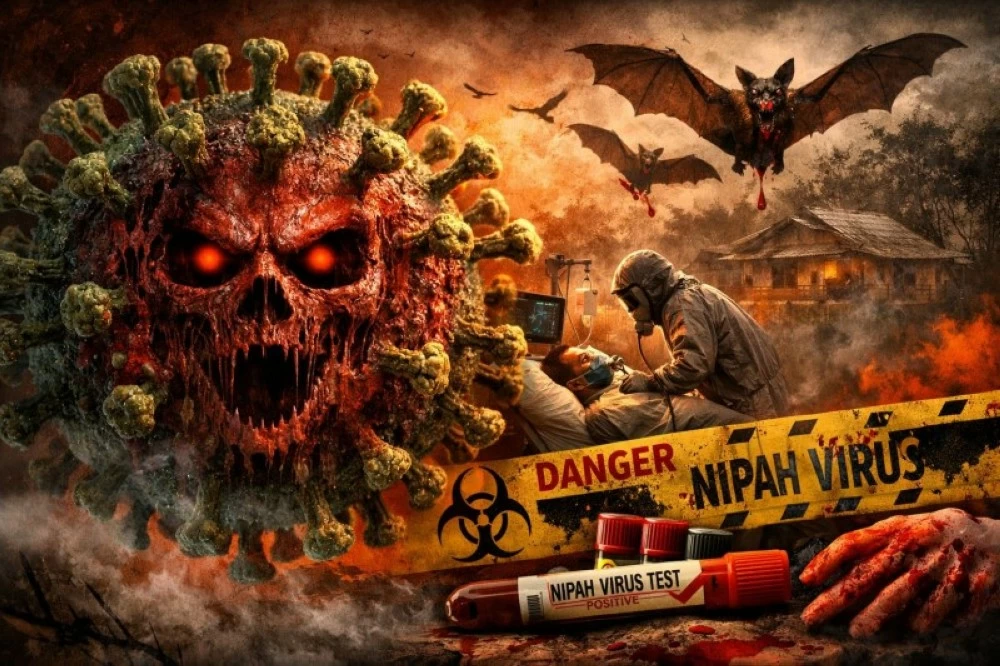
تتزايد المخاوف الصحية العالمية مع عودة فايروس «نيباه» إلى الواجهة مجددًا، وهو الفايروس الذي صنفته منظمة الصحة العالمية ضمن الأمراض الخطيرة التي تتطلب مراقبة دولية دقيقة، نظرًا لسرعة انتشاره وقدرته على التسبب في مضاعفات صحية بالغة الخطورة قد تصل إلى الوفاة.
تسجيل إصابات جديدة في الهند
وأعلنت السلطات الصحية الهندية تسجيل خمس حالات إصابة مؤكدة بفايروس نيباه في ولاية البنغال الغربية الشرقية، من بينها أطباء وممرضون، ما أعاد القلق من احتمالات التفشي داخل المنشآت الصحية.
وأفادت التقارير بتسجيل ثلاث إصابات جديدة مطلع الأسبوع الحالي، إضافة إلى حالتين سابقتين لممرضين أحدهما ذكر والآخر أنثى، كانا يعملان في مستشفى خاص بمدينة باراسات القريبة من العاصمة كولكاتا، وفقًا لما نقلته صحيفة «إندبندنت» البريطانية.
حجر صحي ومتابعة طبية مشددة
وضعت السلطات نحو 100 شخص ممن خالطوا المصابين تحت الحجر الصحي المنزلي، بينما يتلقى المصابون العلاج في مستشفيات العاصمة الهندية، مع تسجيل حالة حرجة واحدة حتى الآن، وسط إجراءات احترازية مشددة لاحتواء الموقف.
ما هو فايروس نيباه؟
فايروس نيباه هو مرض حيواني المنشأ، ينتقل أساسًا من الخفافيش إلى البشر، كما يمكن أن ينتقل بين الأشخاص عبر السوائل الجسدية أو الاتصال المباشر.
وتم اكتشافه لأول مرة في ماليزيا عام 1998، حيث ارتبط آنذاك بتفشي المرض بين الخنازير، إلا أنه بات اليوم يشكل تهديدًا صحيًا عالميًا بسبب تأثيره المباشر على الجهاز التنفسي والدماغ.
أعراض الإصابة بفايروس نيباه
تظهر أعراض المرض عادة بعد فترة حضانة تتراوح بين 5 و14 يومًا، وتشمل:
• الارتفاع الشديد في درجة الحرارة وقشعريرة.
• الصداع الحاد والدوار المستمر.
• اضطرابات تنفسية مثل السعال وصعوبة التنفس.
• الغثيان والقيء المتكرر.
• وفي الحالات المتقدمة قد يحدث التهاب في الدماغ يؤدي إلى ارتباك حاد، فقدان الوعي، أو الدخول في غيبوبة.
الفئات الأكثر عرضة للخطر
تشير الدراسات إلى أن بعض الفئات تكون أكثر عرضة للإصابة بالفايروس، أبرزها:
• العاملون في مزارع الخنازير أو أسواق بيع الحيوانات.
• الأشخاص الذين يتعاملون مباشرة مع الخفافيش أو منتجاتها.
• مقدمو الرعاية الصحية أو أفراد الأسرة الذين يعتنون بالمصابين دون وسائل حماية مناسبة.
كيف يمكن الوقاية من فايروس نيباه؟
في ظل عدم توفر لقاح معتمد حتى الآن، تعتمد الوقاية من فايروس نيباه على الالتزام بإجراءات احترازية صارمة، من بينها:
• تجنب ملامسة الخفافيش أو استهلاك منتجاتها غير المعقمة.
• طهي اللحوم والمنتجات الحيوانية جيدًا قبل تناولها.
• استخدام الكمامات والقفازات عند التعامل مع المرضى أو الحيوانات المصابة.
• غسل اليدين جيدًا بالماء والصابون بانتظام.
• الالتزام بتعليمات الجهات الصحية والإبلاغ الفوري عن أي حالات اشتباه.
أهمية اليقظة المجتمعية
عودة فايروس نيباه إلى الظهور تفرض حالة من التأهب الصحي، وتعيد التذكير بخطورة الأمراض العابرة للحدود، ما يستدعي يقظة مجتمعية والتزامًا صارمًا بالإجراءات الوقائية للحد من أي تفشٍ محتمل.
Global health concerns are rising as the Nipah virus re-emerges, a virus classified by the World Health Organization as one of the serious diseases requiring precise international monitoring, due to its rapid spread and its potential to cause severe health complications that may lead to death.
New cases reported in India
The Indian health authorities announced the confirmation of five cases of Nipah virus in the eastern state of West Bengal, among which are doctors and nurses, raising concerns about the potential for an outbreak within healthcare facilities.
Reports indicated three new infections at the beginning of this week, in addition to two previous cases involving nurses, one male and one female, who were working at a private hospital in the city of Barasat near the capital Kolkata, according to the British newspaper "Independent."
Quarantine and intensive medical follow-up
The authorities have placed about 100 individuals who came into contact with the infected under home quarantine, while the patients are receiving treatment in hospitals in the Indian capital, with one critical case reported so far, amid strict precautionary measures to contain the situation.
What is the Nipah virus?
The Nipah virus is a zoonotic disease, primarily transmitted from bats to humans, and can also spread between people through bodily fluids or direct contact.
It was first discovered in Malaysia in 1998, where it was linked to an outbreak among pigs, but today it poses a global health threat due to its direct impact on the respiratory system and the brain.
Symptoms of Nipah virus infection
Symptoms of the disease typically appear after an incubation period ranging from 5 to 14 days and include:
• Severe fever and chills.
• Severe headache and persistent dizziness.
• Respiratory disturbances such as cough and difficulty breathing.
• Nausea and recurrent vomiting.
• In advanced cases, inflammation of the brain may occur, leading to severe confusion, loss of consciousness, or coma.
High-risk groups
Studies indicate that certain groups are more susceptible to the virus, including:
• Workers in pig farms or animal markets.
• Individuals who come into direct contact with bats or their products.
• Healthcare providers or family members caring for infected individuals without appropriate protective measures.
How can we prevent the Nipah virus?
In the absence of an approved vaccine so far, prevention of the Nipah virus relies on strict adherence to precautionary measures, including:
• Avoiding contact with bats or consuming their unsterilized products.
• Cooking meat and animal products thoroughly before consumption.
• Using masks and gloves when dealing with infected patients or animals.
• Regularly washing hands thoroughly with soap and water.
• Following health authority guidelines and promptly reporting any suspected cases.
The importance of community vigilance
The re-emergence of the Nipah virus necessitates a state of health preparedness and serves as a reminder of the dangers of transboundary diseases, calling for community vigilance and strict adherence to preventive measures to limit any potential outbreak.