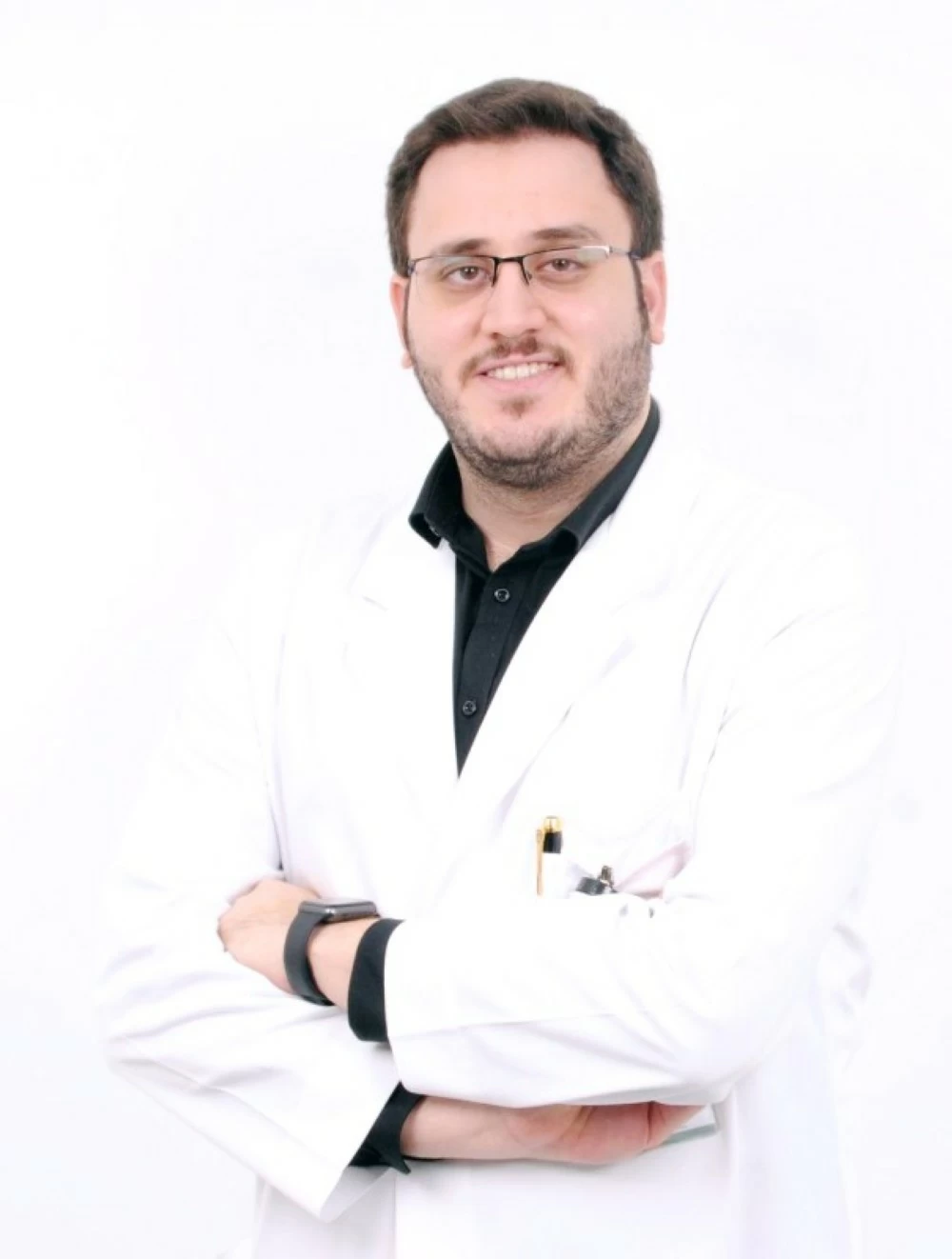
يثير شفاء الكسور تساؤلاً شائعاً لدى كثيرين حول ما إذا كان العظم المكسور يعود أقوى من حالته السابقة، وهو سؤال يوضح الطبيب العام المختص في العظام الدكتور عبدالرحمن الناصر، أبعاده الطبية بصورة دقيقة.
ويؤكد الناصر أن الاعتقاد السائد بأن العظم بعد الكسر يصبح أضعف ليس دقيقاً دائماً، إذ يبدأ الجسم فور حدوث الكسر في تشغيل منظومة ترميم بيولوجية معقدة تشبه «ورشة بناء داخلية» لإعادة الاستقرار الهيكلي للعظم المصاب.
ويشرح أن المرحلة الأولى من الشفاء تتضمّن تكوّن ما يُعرف بـ«الكالس العظمي»، وهو نسيج عظمي مؤقت يتشكّل حول منطقة الكسر ليمنحها دعماً إضافياً ويثبّت الأطراف المكسورة. وفي هذه المرحلة يكون هذا النسيج غالباً أكثر سماكة وصلابة من العظم الأصلي، ما يعطي انطباعاً مؤقتاً بأن موضع الكسر أصبح أقوى من السابق.
ومع مرور الوقت، تبدأ مرحلة إعادة التشكيل، إذ يعاد تنظيم هذا النسيج تدريجياً ليأخذ العظم شكله الطبيعي ووظيفته الحيوية، ويستعيد توازنه البنيوي.
ويشير الناصر، إلى أن هذه العملية لا تعني أن العظم سيظل أقوى بشكل دائم، بل إن القوة الزائدة تكون مؤقتة، وتستقر لاحقاً عند مستوى قريب من الحالة الطبيعية للعظم قبل الإصابة.
The healing of fractures raises a common question among many about whether the broken bone becomes stronger than its previous state, a question that the general practitioner specializing in orthopedics, Dr. Abdulrahman Al-Nasser, clarifies in precise medical terms.
Dr. Al-Nasser confirms that the prevailing belief that a bone becomes weaker after a fracture is not always accurate, as the body immediately begins to activate a complex biological repair system akin to an "internal construction workshop" to restore the structural stability of the injured bone.
He explains that the first stage of healing involves the formation of what is known as "callus," which is a temporary bony tissue that forms around the fracture site to provide additional support and stabilize the broken ends. At this stage, this tissue is often thicker and more rigid than the original bone, giving a temporary impression that the fracture site has become stronger than before.
As time passes, the remodeling phase begins, where this tissue is gradually reorganized to restore the bone to its natural shape and vital function, regaining its structural balance.
Dr. Al-Nasser points out that this process does not mean that the bone will remain permanently stronger; rather, the excess strength is temporary and will eventually stabilize at a level close to the bone's normal condition before the injury.