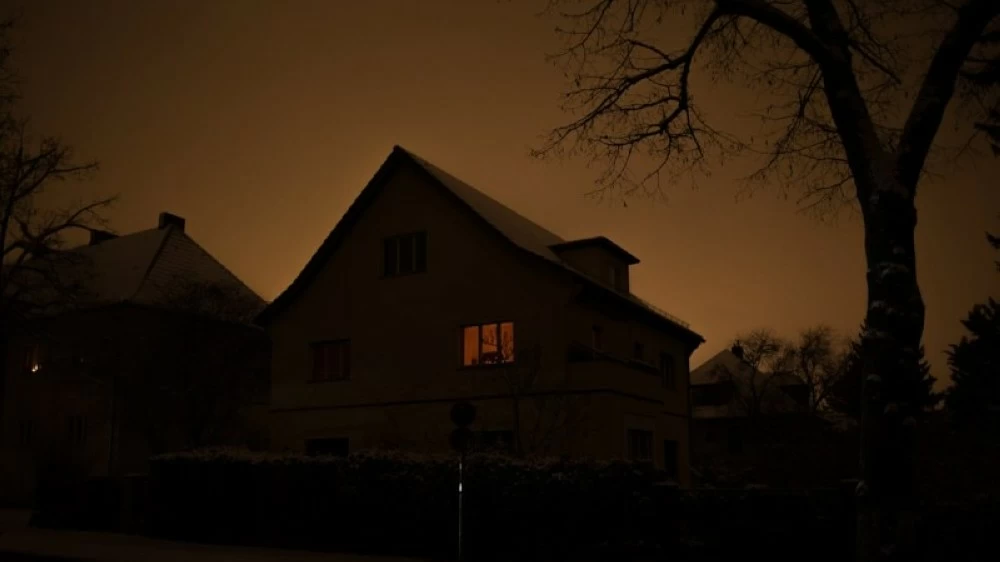
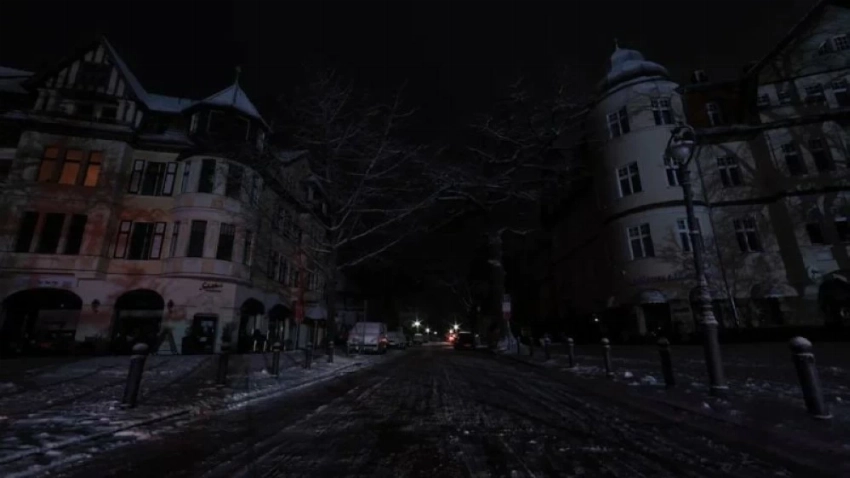
أعلنت السلطات الألمانية تخصيص مكافأة مالية ضخمة قدرها مليون يورو لمن يدلي بمعلومات تؤدي إلى كشف مرتكبي الهجوم التخريبي الذي أدى إلى انقطاع التيار الكهربائي عن عشرات الآلاف من المنازل والمنشآت في جنوب غرب برلين مطلع يناير 2026.
وقالت وزيرة داخلية ولاية برلين إيريس سبرانغر في تصريحات لها إن المكافأة التي وصفتها بأنها «إجراء استثنائي» و«غير مسبوق» في حجمها تأتي من الحكومة الفيدرالية، وتهدف إلى تسريع كشف الجناة.
وكان الهجوم الذي وقع في 3 يناير قد تم عبر إضرام النار في جسر كابلات كهربائية فوق قناة تيلتو في منطقة ليخترفيلده، مما تسبب في أطول انقطاع كهربائي في برلين منذ الحرب العالمية الثانية استمر أكثر من 4 أيام.
وأثر الانقطاع الكهربائي على أكثر من 45,000 منزل و2,200 منشأة تجارية، مما دفع السلطات إلى إعلان حالة الطوارئ ونشر الجيش والشرطة الفيدرالية لدعم الإغاثة.
وأعلنت مجموعة يسارية متطرفة تُدعى «مجموعة البركان» مسؤوليتها، مدعية أن الهدف كان «الاقتصاد الأحفوري» وليس انقطاع الكهرباء عن السكان.
وصنفت السلطات الألمانية بما في ذلك المدعي العام الفيدرالي الهجوم كـ«إرهاب يساري»، وفتحت تحقيقاً بتهم تشمل الانتماء إلى منظمة إرهابية، التخريب الدستوري، الحريق العمد، وتعطيل الخدمات العامة.
وأكدت وزيرة داخلية ولاية برلين أن «هذا عمل إرهابي يساري مخطط بدقة وعالي الإجرام»، مشددة على ضرورة حماية البنية التحتية الحيوية.
The German authorities announced a massive financial reward of one million euros for anyone who provides information leading to the identification of the perpetrators of the sabotage attack that caused a power outage affecting tens of thousands of homes and facilities in southwest Berlin in early January 2026.
Berlin's Interior Minister Iris Spranger stated in her remarks that the reward, which she described as an "extraordinary" and "unprecedented" measure in its size, comes from the federal government and aims to expedite the identification of the culprits.
The attack, which occurred on January 3, involved setting fire to an electrical cable bridge over the Teltow Canal in the Lichtenrade area, resulting in the longest power outage in Berlin since World War II, lasting more than 4 days.
The power outage affected over 45,000 homes and 2,200 commercial establishments, prompting authorities to declare a state of emergency and deploy the military and federal police to assist with relief efforts.
A left-wing extremist group called "The Volcano Group" claimed responsibility, asserting that the target was the "fossil economy" rather than causing a power outage for the residents.
The German authorities, including the federal prosecutor, classified the attack as "left-wing terrorism" and opened an investigation on charges including membership in a terrorist organization, constitutional sabotage, arson, and disruption of public services.
Berlin's Interior Minister emphasized that "this is a meticulously planned and highly criminal left-wing terrorist act," stressing the need to protect critical infrastructure.