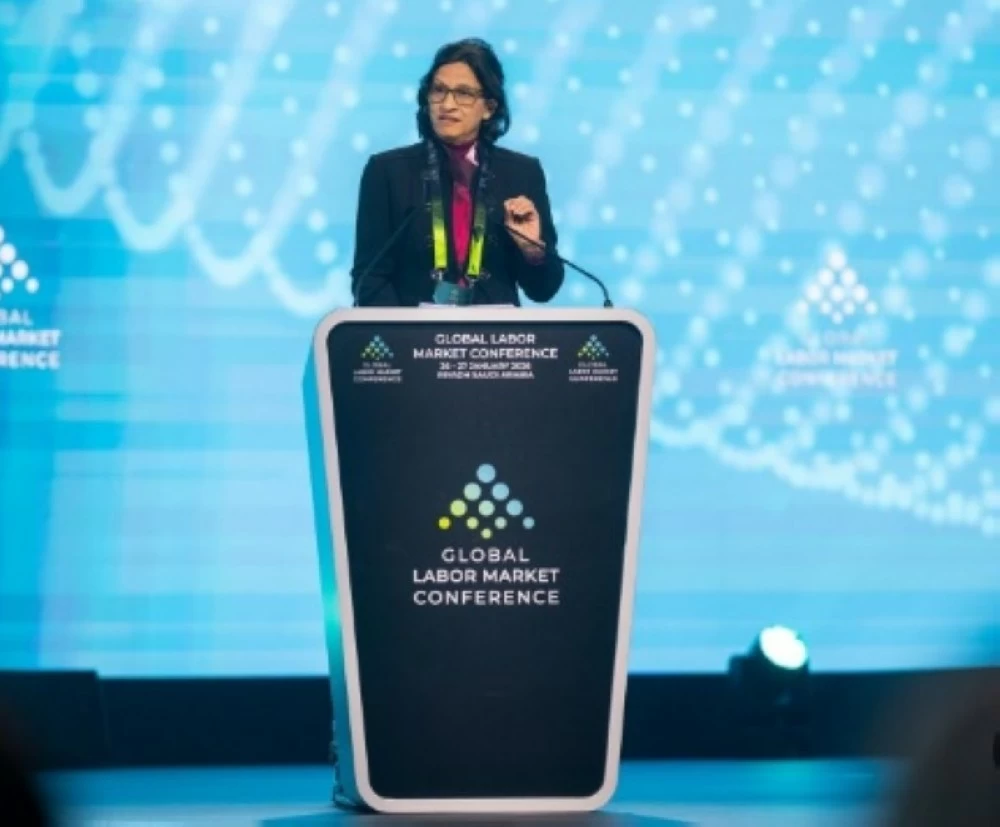
أكدت نائبة الرئيس لشؤون الناس في البنك الدولي الدكتورة مامتا مورثي، أن الشراكة بين المملكة والبنك الدولي تمثل نموذجاً فاعلاً لتحويل السياسات المبنية على الأدلة إلى فرص اقتصادية ملموسة للشركات بمختلف أحجامها، بما يسهم في تعزيز توفير الوظائف وتنمية رأس المال البشري.
وأوضحت في كلمة خلال مشاركتها في النسخة الثالثة للمؤتمر الدولي لسوق العمل، المنعقد في العاصمة الرياض، أن تطوير منظومات القوى العاملة بما يواكب التحولات المتسارعة في الاقتصاد العالمي بات ضرورة ملحّة، مشددةً على الدور المحوري للقطاع الخاص في قيادة هذا التحول وتحقيق نمو وظيفي شامل ومستدام.
الاستثمار المستدام
وبيّنت الدكتورة مورثي أن الاستثمار المستدام في الإنسان يشكّل حجر الأساس في إطلاق الإمكانات الكاملة لرأس المال البشري، مؤكدة أن هذا التوجه يتطلب إعادة هيكلة آليات التمويل، وتبني نماذج جديدة لتنفيذ برامج التحول في القوى العاملة، مشيرةً إلى أن تحديات وفرص أسواق العمل تختلف من منطقة إلى أخرى، وأن جنوب الصحراء الكبرى بأفريقيا وجنوب آسيا تمتلكان إمكانات واعدة لدفع النمو المستقبلي، شريطة تمكين الفئات الشابة فيهما من مهارات تتوافق مع احتياجات سوق العمل.
3 تحولات
وسلطت الضوء على عدد من التحديات الهيكلية التي تواجه تطوير المهارات عالمياً، من بينها تركيز أنظمة التعليم على المدخلات بدلاً من النتائج، وتصميم برامج تدريبية لأدوار وظيفية لم تعد قائمة، إضافة إلى فجوة المواءمة بين المهارات المتاحة وتلك المطلوبة، وصعوبة توسيع نطاق الحلول الناجحة، محذرةً من الاعتماد على سياسات قائمة على العرض فقط دون ارتباط فعلي بالطلب الحقيقي في سوق العمل.
ولمواجهة هذه التحديات، استعرضت الدكتورة مورثي ثلاثة تحولات رئيسية في تطوير القوى العاملة، تشمل تبني حلول يقودها القطاع الخاص، وترسيخ منهجيات قائمة على السوق لتوفير فرص العمل عبر سلاسل القيمة، وإعطاء الأولوية لإصلاحات قطاعية تمهّد لتحول طويل الأمد في منظومة العمل قبل الانتقال إلى إصلاحات شاملة، مؤكدةً أن تعميق الشراكة مع أصحاب العمل يُعد عنصراً أساسياً في تطوير المهارات وتوفير الوظائف.
مؤشر جديد
وتناولت توسّع أجندة البنك الدولي في مجالات المعرفة والتعلّم، مشيرة إلى العمل على تطوير مؤشر جديد لرأس المال البشري يدمج التعليم العالي والتعلّم أثناء العمل، بما يمكّن الحكومات من تشخيص فجوات المهارات بصورة أدق، ودمج قضايا التعليم والمهارات وسوق العمل ضمن المشورة المتعلقة بالسياسات الاقتصادية والمالية.
واستعرضت أبرز المبادرات المرتبطة بهذه الأجندة، ومن بينها إطلاق أكاديمية سنوية لسوق العمل، وتشكيل لجنة استشارية عالمية من الخبراء، وإعداد أدلة عملية لدعم التدخلات قصيرة المدى والمركّزة في مجال القوى العاملة، كما أعلنت أن البنك الدولي سيصدر تقريراً متخصصاً حول تقدم المملكة العربية السعودية في إصلاحات سوق العمل وتنمية المهارات.
The Vice President for People at the World Bank, Dr. Mamta Murthy, confirmed that the partnership between the Kingdom and the World Bank represents an effective model for transforming evidence-based policies into tangible economic opportunities for companies of all sizes, contributing to enhancing job creation and developing human capital.
She explained in a speech during her participation in the third edition of the International Labor Market Conference, held in the capital Riyadh, that developing workforce systems to keep pace with the rapid transformations in the global economy has become an urgent necessity, emphasizing the pivotal role of the private sector in leading this transformation and achieving inclusive and sustainable job growth.
Sustainable Investment
Dr. Murthy indicated that sustainable investment in people forms the cornerstone for unleashing the full potential of human capital, stressing that this approach requires restructuring financing mechanisms and adopting new models for implementing workforce transformation programs. She pointed out that the challenges and opportunities in labor markets vary from one region to another, and that Sub-Saharan Africa and South Asia possess promising potentials for driving future growth, provided that the youth in these regions are equipped with skills that align with labor market needs.
3 Transformations
She highlighted several structural challenges facing global skills development, including the focus of education systems on inputs rather than outcomes, designing training programs for job roles that no longer exist, in addition to the mismatch between available skills and those required, and the difficulty of scaling successful solutions. She warned against relying on supply-driven policies without a real connection to actual demand in the labor market.
To address these challenges, Dr. Murthy reviewed three key transformations in workforce development, including adopting private sector-led solutions, establishing market-based methodologies to provide job opportunities across value chains, and prioritizing sectoral reforms that pave the way for long-term transformation in the labor system before moving to comprehensive reforms. She emphasized that deepening partnerships with employers is a fundamental element in skill development and job provision.
A New Index
She discussed the expansion of the World Bank's agenda in the fields of knowledge and learning, noting the work on developing a new human capital index that integrates higher education and learning on the job, enabling governments to diagnose skill gaps more accurately and to integrate education, skills, and labor market issues into economic and financial policy advice.
She reviewed the key initiatives linked to this agenda, including the launch of an annual labor market academy, the formation of a global advisory committee of experts, and the preparation of practical guides to support short-term, focused interventions in the workforce sector. She also announced that the World Bank will issue a specialized report on the progress of the Kingdom of Saudi Arabia in labor market reforms and skill development.