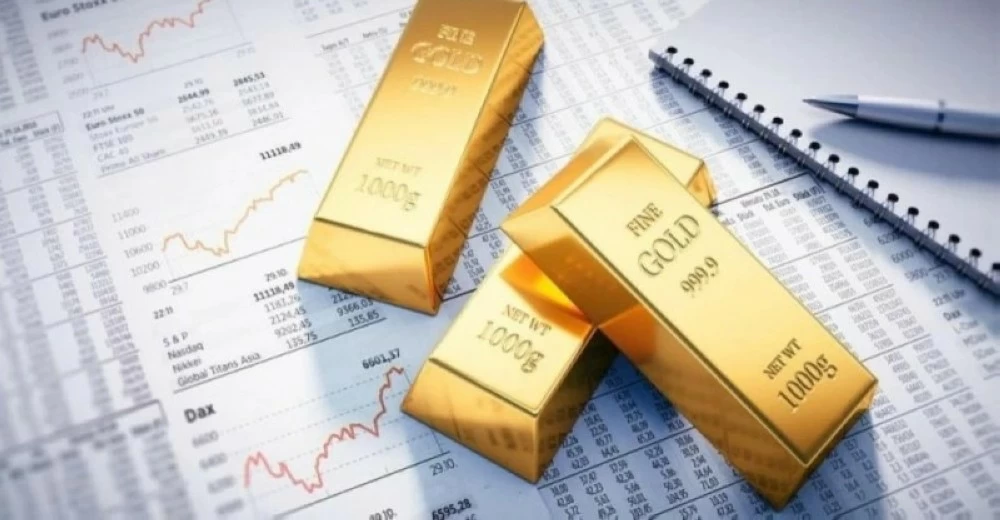
ارتفع سعر الذهب متجاوزاً حاجز 5,100 دولار للأونصة للمرة الأولى، مواصلاً موجة صعود مدعومة بتقلبات الأسواق العالمية وتحركات المستثمرين نحو الأصول الآمنة.
في المقابل، شهد مؤشر الدولار انخفاضاً بنحو 2% خلال 6 جلسات تداول، وسط توقعات بأن الولايات المتحدة قد تتدخل لدعم الين الياباني، وهو ما أثار بعض التساؤلات حول استقلالية الاحتياطي الفيدرالي واستمرارية السياسات الأمريكية.
كما ارتفعت أسعار الفضة إلى مستوى قياسي تجاوز 109 دولارات للأونصة، محققة مكاسب لليوم الثالث على التوالي، بدعم من الطلب القوي على المعدن من مشتري التجزئة في مدن مثل شنغهاي وإسطنبول. وفي الوقت نفسه، يترقب المستثمرون وضوحاً أكبر بشأن الرسوم الجمركية الأمريكية المحتملة وتأثيرها على الأسواق.
ويُعد الذهب مؤشراً تاريخياً على حالة المخاوف في الأسواق، إذ ارتفع بأكثر من الضعف خلال العامين الماضيين. وبعد تحقيقه أفضل أداء سنوي منذ عام 1979، سجل المعدن مكاسب إضافية بنسبة 17% منذ بداية العام الحالي، في ظل تزايد المخاطر الجيوسياسية واهتمام المستثمرين بالملاذات الآمنة بعيداً عن العملات وسندات الخزانة.
The price of gold has risen, surpassing the $5,100 per ounce mark for the first time, continuing a wave of increases supported by fluctuations in global markets and investors' movements towards safe assets.
In contrast, the dollar index has seen a decline of about 2% over six trading sessions, amid expectations that the United States may intervene to support the Japanese yen, raising some questions about the independence of the Federal Reserve and the continuity of U.S. policies.
Silver prices have also risen to a record level exceeding $109 per ounce, achieving gains for the third consecutive day, supported by strong demand for the metal from retail buyers in cities like Shanghai and Istanbul. Meanwhile, investors are awaiting greater clarity regarding potential U.S. tariffs and their impact on the markets.
Gold is a historical indicator of market fears, having more than doubled in the past two years. After achieving its best annual performance since 1979, the metal has recorded additional gains of 17% since the beginning of the current year, amid increasing geopolitical risks and investors' interest in safe havens away from currencies and treasury bonds.