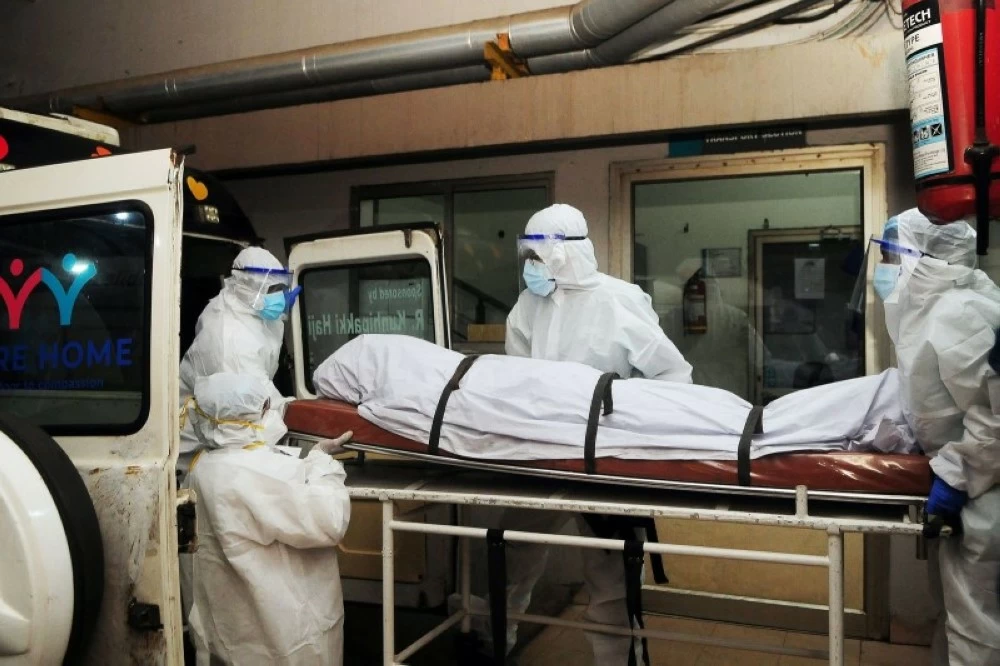
عاد فايروس «نيباه» القاتل ليثير مخاوف واسعة في الهند، عقب تسجيل خمس إصابات مؤكدة في ولاية البنغال الغربية، بينها ثلاث حالات خلال الأيام القليلة الماضية، في مناطق قريبة من مدينة كولكاتا المكتظة بالسكان.
وأفاد مسؤولون صحيون بأن التفشي الأخير أصاب صميم المنظومة الصحية، بعدما أُصيب طبيب وممرضتان أثناء تقديمهم الرعاية للمرضى، حيث دخلت إحدى الممرضات في غيبوبة وتوصف حالتها بالحرجة للغاية.
وفي محاولة لاحتواء الوضع، سارعت السلطات إلى اتخاذ إجراءات طارئة شملت عزل المخالطين وإخضاع عشرات الأشخاص للفحوص الطبية، في سباق مع الزمن للحد من انتشار فايروس لا يتوافر له حتى الآن لقاح أو علاج فعّال.
وينتقل فايروس «نيباه» أساسًا من خفافيش الفاكهة إلى الإنسان، كما يمكن أن ينتقل بين البشر عبر التلامس المباشر. وتبدأ أعراض الإصابة بحمى وصداع وآلام عضلية، وقد تتطور في بعض الحالات إلى التهاب دماغي حاد يهدد الحياة.
ومع وصول معدل الوفيات المرتبط بالفايروس إلى نحو 75%، يحذر الخبراء من التعامل مع الخفافيش أو الخنازير، ويدعون إلى تجنب استهلاك عصارة النخيل الخام التي قد تكون ملوثة، تفاديًا لاندلاع موجة وبائية جديدة قد تُثقل كاهل النظام الصحي في الهند.
The deadly Nipah virus has returned to raise widespread fears in India, following the confirmation of five cases in West Bengal, including three cases in the past few days in areas near the densely populated city of Kolkata.
Health officials reported that the recent outbreak has severely impacted the healthcare system, as a doctor and two nurses were infected while providing care to patients, with one of the nurses entering a coma and her condition being described as extremely critical.
In an attempt to contain the situation, authorities rushed to implement emergency measures that included isolating contacts and subjecting dozens of individuals to medical tests, racing against time to limit the spread of a virus for which there is currently no available vaccine or effective treatment.
The Nipah virus primarily transmits from fruit bats to humans, and it can also spread between humans through direct contact. Symptoms of infection begin with fever, headache, and muscle pain, and in some cases, may progress to acute encephalitis that threatens life.
With the mortality rate associated with the virus reaching about 75%, experts warn against handling bats or pigs, and urge avoiding the consumption of raw palm sap that may be contaminated, to prevent the outbreak of a new epidemic that could burden the healthcare system in India.