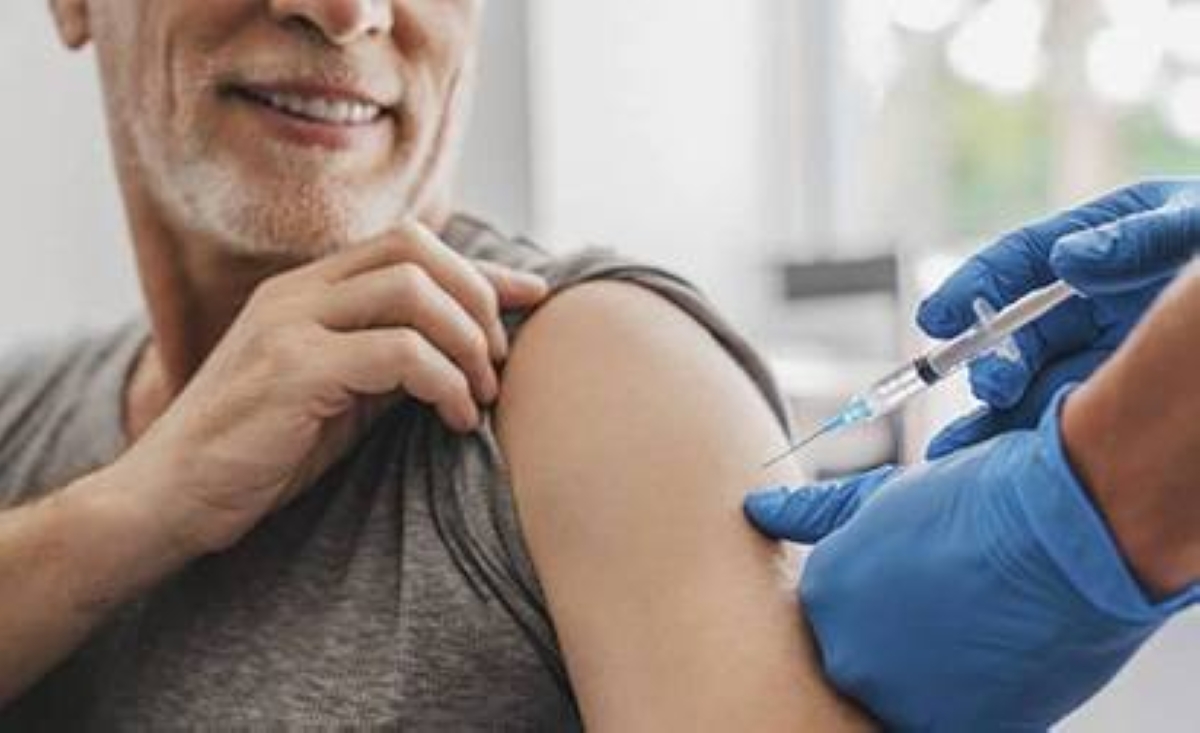
مع اقتراب موسم الأنفلونزا، يستعد الملايين لتلقي اللقاح السنوي الذي يُعدّ درعًا حيويًا ضد المرض، خصوصاً للفئات الأكثر عرضة للمضاعفات، لكن هناك عادات يومية بسيطة قد تُضعف فعالية هذا اللقاح أو تُفاقم شعورك بعد تلقيه.
المسكّنات ولقاح الأنفلونزا
فمن تناول مسكّنات الألم مثل الإيبوبروفين أو الباراسيتامول قبل التطعيم، إلى الإفراط في الكحول أو ممارسة التمارين الشاقة بعده، هذه الاختيارات الشائعة قد تعيق استجابة جهازك المناعي.
في هذا التقرير، نكشف عن العادات التي قد تُقلل من فاعلية لقاح الأنفلونزا، ونقدم نصائح لضمان حماية مثالية هذا الشتاء.
وفقًا لصحيفة «ديلي ميل» يُقدَّر أن يُعرض لقاح الأنفلونزا على نحو 30 مليون شخص في المملكة المتحدة هذا الشتاء، لكن الأطباء يحذرون من أن بعض العادات الشائعة قد تقلل من فعالية اللقاح أو تتسبب في شعور أسوأ بعد تلقيه.
نصائح للقاح أكثر فاعلية
ويُوصى باللقاح للفئات الأكثر عرضة للمضاعفات الخطيرة، مثل كبار السن فوق 65 عامًا، والحوامل، وأصحاب المناعة الضعيفة، حيث يمكن أن يقلل من مخاطر الإصابة بالأنفلونزا بنسبة تزيد على 50%، وتشير الأبحاث إلى أن اختيارات بسيطة قبل وبعد التطعيم قد تؤثر على فعاليته.
ومن الأخطاء الشائعة تناول مسكّنات الألم مثل الإيبوبروفين مبكرًا، حيث تظهر الدراسات أن الأدوية المضادة للالتهاب قد تعيق الاستجابة المناعية عن طريق تثبيط الالتهاب اللازم لإنتاج الأجسام المضادة.
الباراسيتامول يُقلّل الفاعلية
ويُعتبر الباراسيتامول آمنًا لتخفيف الآثار الجانبية الخفيفة مثل ألم الذراع أو الحمى المنخفضة، لكن الأطباء ينصحون بتجنبه قبل التطعيم لأنه قد يقلل من فعالية اللقاح.
كما أظهرت دراسة طويلة الأمد شملت أكثر من نصف مليون شخص فوق 65 عامًا أن الاستخدام المنتظم للباراسيتامول يرتبط بزيادة مخاطر القرحة المعوية، وفشل القلب، وأمراض الكلى.
وقال البروفيسور تشانغ، قائد الدراسة: «تناول الباراسيتامول فقط عند الحاجة، وتجنب الاستخدام المستمر، خصوصاً بجرعات عالية، وكن حذرًا إذا كنت فوق 65 عامًا»، النصيحة الأساسية هي استخدام المسكنات بأقل جرعة فعالة فقط عند الضرورة.
الكحول تضعف جهاز المناعة
بالإضافة إلى ما سبق، أشارت الدراسة إلى أن تناول الكحول قد يزيد من سوء الشعور بعد اللقاح، فإن الإفراط في الشرب يضعف جهاز المناعة عن طريق التأثير على خلايا الدم البيضاء، مما يزيد من التعب، وآلام العضلات، وألم موقع الحقن، ويجعل الشخص أكثر عرضة للإصابة بالعدوى. الكحول أيضًا مدرة للبول، ما قد يسبب الجفاف ويؤخر إنتاج الأجسام المضادة، ويقلل من فعالية اللقاح.
التمارين الرياضية الحل الأمثل
أما بالنسبة للتمارين الرياضية، فينصح الخبراء بتجنب التمارين الشاقة ليوم أو يومين بعد التطعيم لأنها قد تزيد من التعب والصداع. لكن النشاط المعتدل، مثل المشي السريع أو ركوب الدراجة لمدة 90 دقيقة بعد اللقاح، قد يعزز إنتاج الأجسام المضادة دون زيادة في الآثار الجانبية، وفقًا لدراسة أجريت عام 2022.
As the season of influenza approaches, millions are preparing to receive the annual vaccine, which is considered a vital shield against the disease, especially for those at higher risk of complications. However, there are simple daily habits that may weaken the effectiveness of this vaccine or exacerbate your feelings after receiving it.
Painkillers and the Influenza Vaccine
From taking pain relievers like ibuprofen or paracetamol before vaccination to excessive alcohol consumption or engaging in strenuous exercise afterward, these common choices may hinder your immune response.
In this report, we reveal habits that may reduce the effectiveness of the influenza vaccine and provide tips to ensure optimal protection this winter.
According to the "Daily Mail," it is estimated that the influenza vaccine will be offered to about 30 million people in the United Kingdom this winter, but doctors warn that some common habits may decrease the vaccine's effectiveness or lead to worse feelings after receiving it.
Tips for a More Effective Vaccine
The vaccine is recommended for those at higher risk of serious complications, such as seniors over 65, pregnant women, and individuals with weakened immunity, as it can reduce the risk of contracting influenza by more than 50%. Research indicates that simple choices before and after vaccination may impact its effectiveness.
One common mistake is taking pain relievers like ibuprofen too early, as studies show that anti-inflammatory medications may hinder the immune response by suppressing the inflammation necessary for producing antibodies.
Paracetamol Reduces Effectiveness
Paracetamol is considered safe for alleviating mild side effects such as arm pain or low fever, but doctors advise avoiding it before vaccination because it may reduce the vaccine's effectiveness.
A long-term study involving over half a million people over 65 found that regular use of paracetamol is associated with increased risks of intestinal ulcers, heart failure, and kidney diseases.
Professor Chang, the study leader, stated: "Take paracetamol only when needed, avoid continuous use, especially in high doses, and be cautious if you are over 65." The key advice is to use painkillers at the lowest effective dose only when necessary.
Alcohol Weakens the Immune System
In addition to the above, the study indicated that alcohol consumption may worsen feelings after vaccination. Excessive drinking weakens the immune system by affecting white blood cells, increasing fatigue, muscle aches, and injection site pain, making a person more susceptible to infections. Alcohol is also a diuretic, which can cause dehydration, delay antibody production, and reduce vaccine effectiveness.
Exercise is the Optimal Solution
As for exercise, experts recommend avoiding strenuous workouts for a day or two after vaccination, as they may increase fatigue and headaches. However, moderate activity, such as brisk walking or cycling for 90 minutes after the vaccine, may enhance antibody production without increasing side effects, according to a study conducted in 2022.