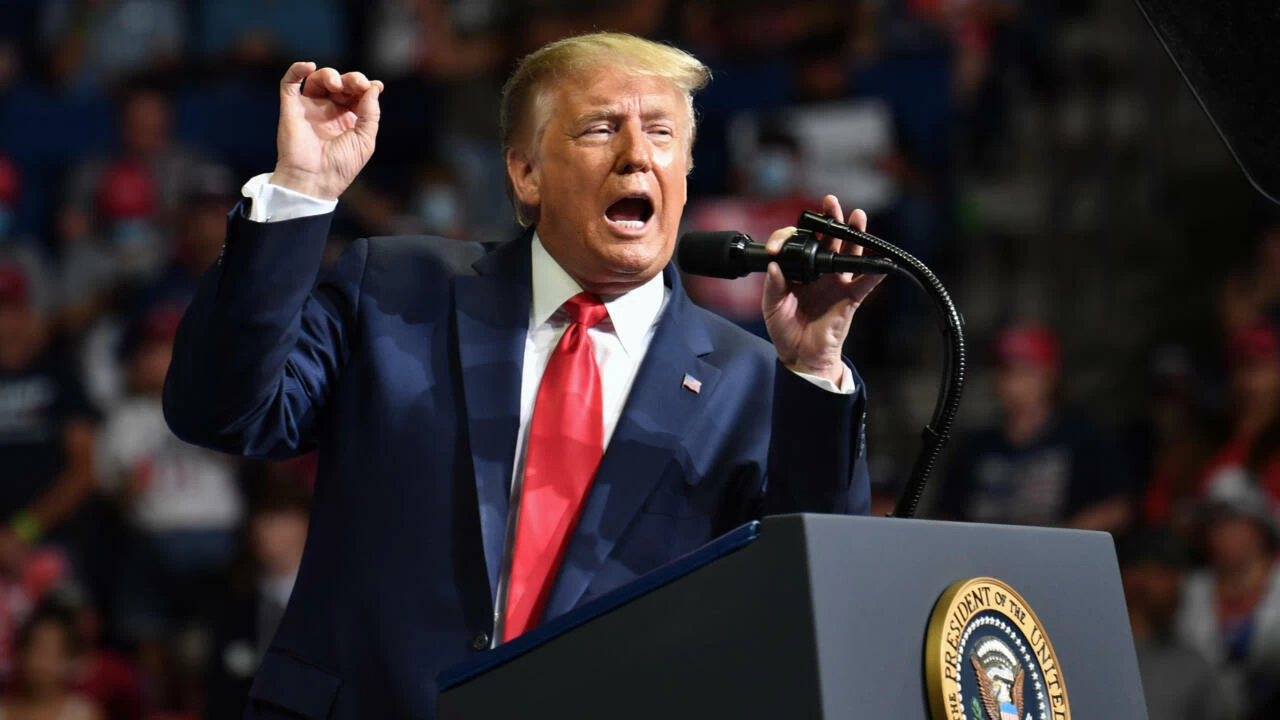
اقترح الرئيس الأمريكي دونالد ترمب تغيير اسم مضيق هرمز إلى «مضيق ترمب»، في تعليق ساخر نشره عبر منصته «تروث سوشال»، بالتزامن مع تصعيد عسكري متجدد بين واشنطن وطهران بشأن الممر المائي الإستراتيجي.
وقال ترمب إن الولايات المتحدة باتت تسيطر على مضيق هرمز، متسائلاً: «الآن بعد أن أصبح تحت سيطرة الولايات المتحدة الأمريكية، هل ينبغي أن نغير اسم مضيق هرمز إلى مضيق ترمب؟»، مضيفاً أن المضيق «مثل أمريكا نفسها، سيكون أكثر سخونة من أي وقت مضى».
سيطرة شبه كاملة
وجاء تعليق ترمب بعد إعلانه أن بلاده باتت تمتلك «سيطرة شبه كاملة» على المضيق، في وقت نفت إيران هذه المزاعم، وسط استمرار التوتر العسكري بين الجانبين وتبادل الضربات في محيط الخليج.
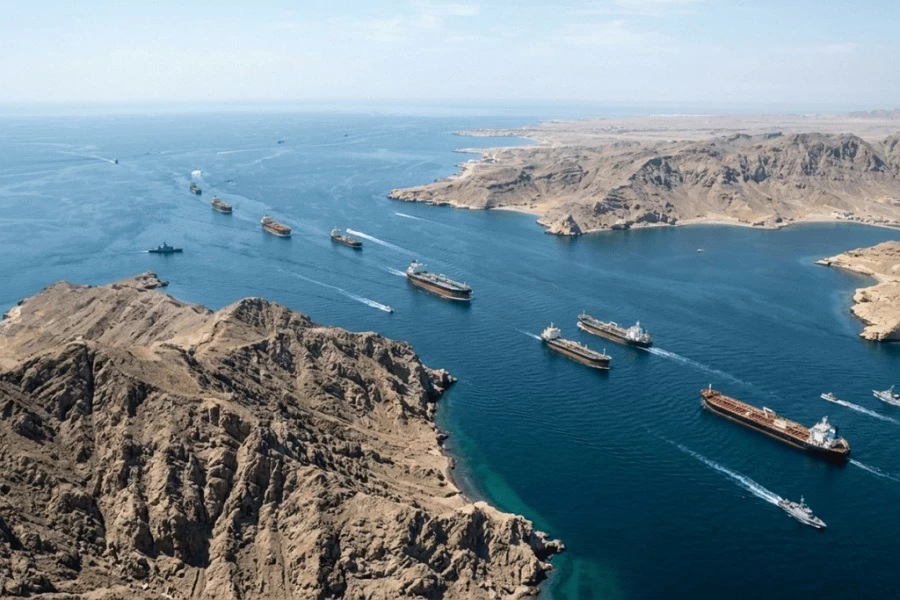
وتحوّل مضيق هرمز خلال التصعيد الأخير إلى إحدى أبرز نقاط التوتر في المواجهة الأمريكية الإيرانية، خصوصاً مع ارتباطه المباشر بأمن إمدادات الطاقة العالمية وحركة التجارة البحرية.
أهمية إستراتيجية
ويربط المضيق الخليج ببحر عمان والمحيط الهندي، وتمر عبره في الظروف الطبيعية نسبة كبيرة من شحنات النفط العالمية، ما يجعل أي اضطراب طويل الأمد في حركة الملاحة مصدر قلق للأسواق الدولية.
وتراجعت حركة السفن عبر المضيق بشكل حاد منذ اندلاع الحرب، مع ارتفاع المخاطر الأمنية وتهديدات استهداف السفن.
وأظهرت بيانات ملاحية نقلتها «رويترز» أن 4 سفن تجارية محملة بسلع فقط عبرت المضيق الثلاثاء، مقابل 10 سفن في اليوم السابق، فيما بلغ المتوسط نحو 13 سفينة خلال الأيام الـ10 الماضية، مع احتمال عدم شمول البيانات بعض السفن التي أوقفت أجهزة التتبع خلال رحلاتها.
قضية تتجاوز حدود الصراع
وكان ترمب قد صعّد في أغسطس الماضي لهجته بشأن المضيق، عندما أعلن أنه قد يقرر اعتبار مضيق هرمز «أرضاً تابعة للولايات المتحدة»، في تصريح أثار رفضاً إيرانياً واسعاً، دون أن يتضح حينها ما إذا كان الطرح يمثل تغييراً رسمياً في السياسة الأمريكية أم ورقة ضغط سياسية.
وتسعى واشنطن، وفق تصريحات ترمب، إلى فرض واقع أمني جديد في المنطقة يضمن استمرار حركة السفن ويحول دون استخدام إيران المضيق ورقة ضغط في المواجهة مع الولايات المتحدة.
وكانت الإدارة الأمريكية قد أطلقت في مايو عملية حملت اسم «مشروع الحرية»، بهدف تأمين عبور السفن العالقة ومرافقتها في المنطقة.
وتكمن حساسية مضيق هرمز في أن تداعيات أي إغلاق أو تعطيل واسع لحركة الملاحة فيه تمتد إلى أسعار النفط والغاز وتكاليف الشحن والتأمين وسلاسل الإمداد العالمية، ما يجعل أمن المضيق قضية تتجاوز حدود الصراع الأمريكي الإيراني.
U.S. President Donald Trump suggested changing the name of the Strait of Hormuz to "Trump Strait," in a sarcastic comment he posted on his platform "Truth Social," coinciding with renewed military escalation between Washington and Tehran regarding the strategic waterway.
Trump stated that the United States now controls the Strait of Hormuz, asking, "Now that it is under the control of the United States, should we change the name of the Strait of Hormuz to Trump Strait?" He added that the strait "like America itself, will be hotter than ever."
Near-Complete Control
Trump's comment came after he announced that his country now has "near-complete control" over the strait, at a time when Iran denied these claims, amid ongoing military tension between the two sides and exchanges of strikes in the Gulf region.
During the recent escalation, the Strait of Hormuz has turned into one of the main points of tension in the U.S.-Iranian confrontation, especially with its direct link to the security of global energy supplies and maritime trade.
Strategic Importance
The strait connects the Gulf to the Sea of Oman and the Indian Ocean, and under normal circumstances, a significant percentage of global oil shipments pass through it, making any prolonged disruption in navigation a concern for international markets.
The movement of ships through the strait has sharply declined since the outbreak of the war, with rising security risks and threats to target vessels.
Maritime data reported by "Reuters" showed that only 4 commercial ships loaded with goods crossed the strait on Tuesday, compared to 10 ships the previous day, while the average was about 13 ships over the past 10 days, with the possibility that the data does not include some ships that turned off their tracking devices during their journeys.
A Matter Beyond the Conflict
Trump had escalated his rhetoric regarding the strait last August when he announced that he might decide to consider the Strait of Hormuz "U.S. territory," a statement that sparked widespread Iranian rejection, without clarifying at the time whether the proposal represented an official change in U.S. policy or a political pressure tactic.
According to Trump's statements, Washington seeks to impose a new security reality in the region that ensures the continued movement of ships and prevents Iran from using the strait as a pressure point in its confrontation with the United States.
The U.S. administration launched in May an operation named "Project Freedom," aimed at securing the passage of stranded ships and escorting them in the region.
The sensitivity of the Strait of Hormuz lies in the fact that the repercussions of any closure or widespread disruption of navigation there extend to oil and gas prices, shipping and insurance costs, and global supply chains, making the security of the strait an issue that transcends the U.S.-Iranian conflict.