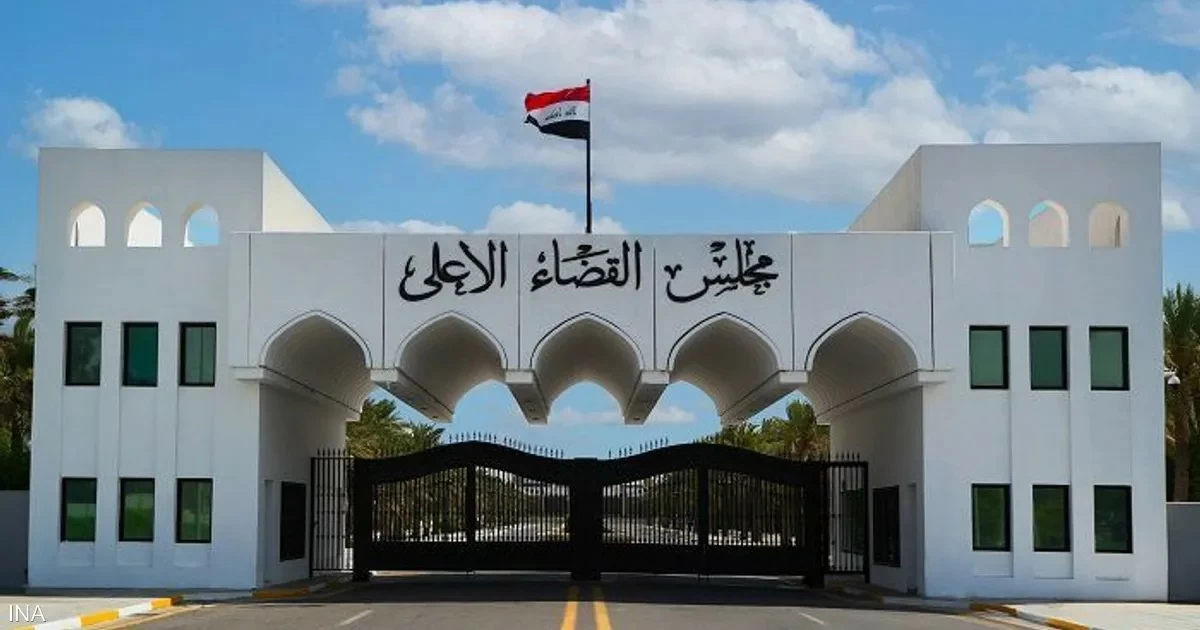
استكملت محكمة عراقية التحقيقات مع 5704 محتجزين من عناصر تنظيم داعش، فيما بدأت إجراءات إطلاق سراح 457 سورياً لم تثبت بحقهم أدلة تستوجب استمرار احتجازهم، بحسب مجلس القضاء الأعلى العراقي.
وقال المركز الإعلامي لمجلس القضاء الأعلى، في بيان، إن محكمة تحقيق الكرخ الأولى استكملت التحقيقات في ملف المتهمين الذين بدأ استجوابهم في فبراير 2026، بعد جمع الأدلة وتدقيق المعلومات والوقائع، تمهيداً لحسم قضاياهم وفق الإجراءات القانونية.
وأظهرت عمليات التدقيق أن المحتجزين الذين شملتهم التحقيقات ينتمون إلى جنسيات متعددة، بينها 16 جنسية عربية، و19 جنسية من دول الاتحاد الأوروبي، إضافة إلى 32 جنسية أجنبية أخرى، في مؤشر على الطابع الدولي لملف المقاتلين الأجانب الذين انضموا إلى التنظيم خلال سنوات سيطرته على مناطق واسعة من العراق وسورية.
وأوضح القضاء العراقي أن نتائج التحقيقات أظهرت في بعض الحالات عدم كفاية الأدلة لإبقاء المحتجزين قيد الحجز، ما أسفر عن إطلاق سراح محتجز فنلندي وتسليمه إلى السلطات الفنلندية، وآخر أمريكي وتسليمه إلى السلطات الأمريكية، إلى جانب سبعة محتجزين عراقيين.
وفيما يتعلق بالمحتجزين السوريين، بدأ العراق استكمال الإجراءات اللازمة لإطلاق سراح 457 شخصاً، بالتنسيق مع السفارة السورية في بغداد وعبر القنوات الدبلوماسية لوزارة الخارجية العراقية، تمهيداً لتسليمهم إلى سورية بعد استيفاء المتطلبات القضائية والقانونية الخاصة بكل حالة.
ويأتي هذا الملف في إطار تعامل العراق مع آلاف الأشخاص الذين اعتُقلوا خلال العمليات العسكرية ضد تنظيم داعش، لا سيما المقاتلين الأجانب والأفراد الذين يشتبه بانتمائهم إلى التنظيم. وتواجه السلطات العراقية منذ سنوات تحدياً قانونياً وأمنياً يتعلق بتحديد المسؤولية الجنائية لكل محتجز، خصوصاً في ظل اختلاف الأدلة والجنسيات وتداخل الملفات بين العراق وسورية.
وكان تنظيم داعش قد سيطر في عام 2014 على مساحات واسعة من العراق وسورية، قبل أن يخسر معظم الأراضي التي كانت تحت سيطرته بفعل العمليات العسكرية التي شاركت فيها قوات عراقية وسورية وقوى دولية ومحلية مختلفة. ورغم انهيار ما عُرف بـ«دولة الخلافة»، لا يزال التنظيم يحتفظ بخلايا تنشط في مناطق متفرقة من العراق وسورية.
An Iraqi court has completed investigations with 5,704 detainees from ISIS, while procedures have begun for the release of 457 Syrians for whom there is no evidence to justify their continued detention, according to the Iraqi Supreme Judicial Council.
The media center of the Supreme Judicial Council stated in a statement that the First Investigation Court of Karkh has completed the investigations into the cases of the accused, who began being interrogated in February 2026. After gathering evidence and verifying information and facts, the cases are set to be resolved according to legal procedures.
Audit operations revealed that the detainees included individuals from multiple nationalities, including 16 Arab nationalities, 19 nationalities from European Union countries, in addition to 32 other foreign nationalities, indicating the international nature of the file concerning foreign fighters who joined the organization during its years of control over vast areas of Iraq and Syria.
The Iraqi judiciary clarified that the results of the investigations showed in some cases insufficient evidence to keep the detainees in custody, resulting in the release of a Finnish detainee who was handed over to Finnish authorities, an American detainee who was handed over to American authorities, along with seven Iraqi detainees.
Regarding the Syrian detainees, Iraq has begun completing the necessary procedures for the release of 457 individuals, in coordination with the Syrian embassy in Baghdad and through diplomatic channels of the Iraqi Ministry of Foreign Affairs, in preparation for their handover to Syria after fulfilling the judicial and legal requirements for each case.
This file is part of Iraq's handling of thousands of individuals who were arrested during military operations against ISIS, particularly foreign fighters and individuals suspected of belonging to the organization. Iraqi authorities have faced a legal and security challenge for years regarding the determination of criminal responsibility for each detainee, especially given the differences in evidence and nationalities and the overlap of files between Iraq and Syria.
ISIS had seized large areas of Iraq and Syria in 2014 before losing most of the territory it controlled due to military operations involving Iraqi and Syrian forces and various international and local powers. Despite the collapse of what was known as the "Caliphate," the organization still retains cells that operate in scattered areas of Iraq and Syria.