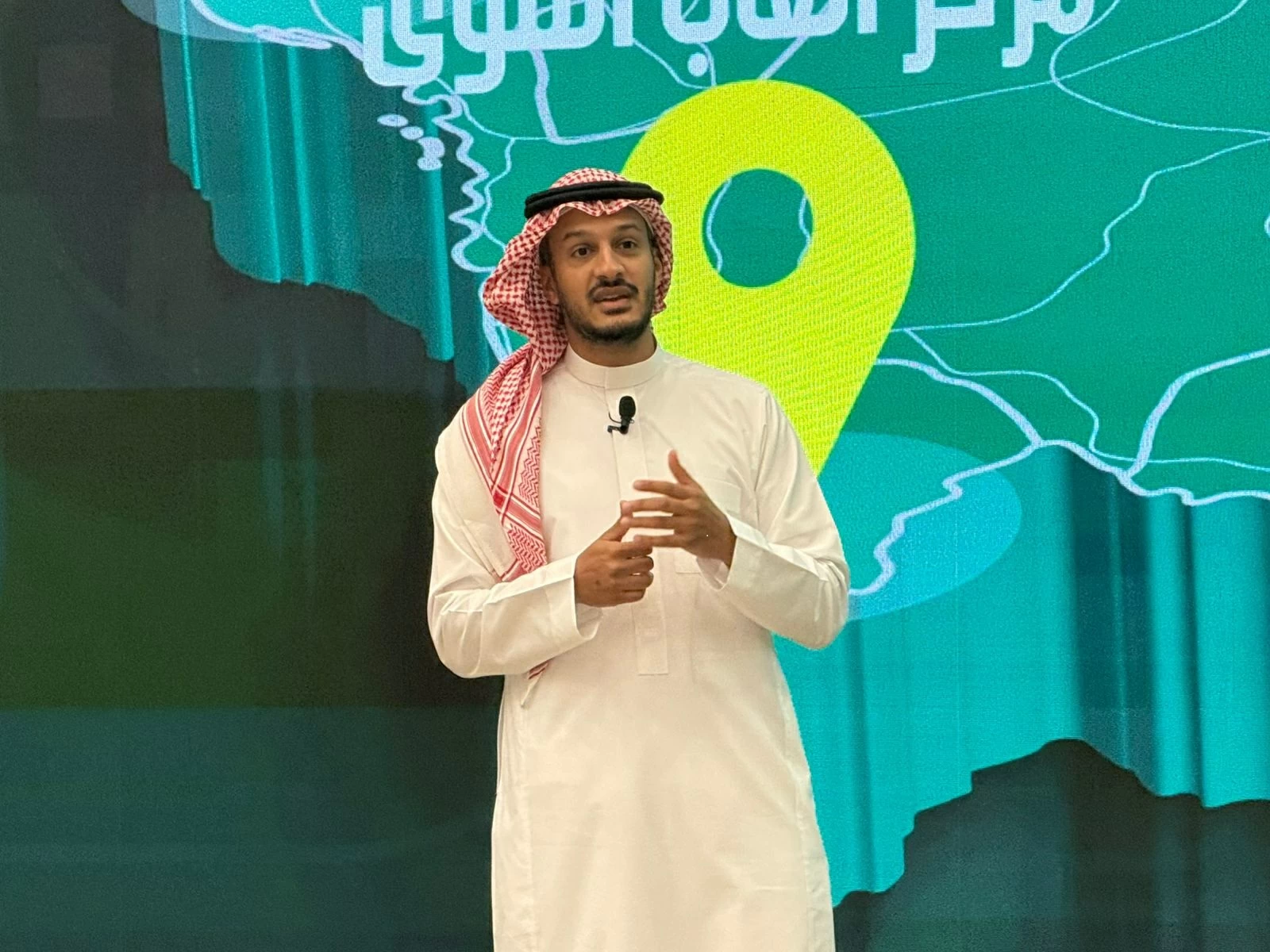
أكد الرئيس التنفيذي والأمين العام للجنة الأولمبية والبارالمبية السعودية، عبدالعزيز باعشن، أن مؤشرات التنمية الرياضية في المملكة سجلت منذ عام 2025 وحتى اليوم نمواً متصاعداً، انعكس في ارتفاع أعداد الممارسين لمختلف الرياضات، واتساع قاعدة الرياضة النسائية، وبروز أسماء ومواهب واعدة تعكس قوة قاعدة الناشئين والشباب، مشيراً إلى أن العمل يسير وفق إستراتيجية متكاملة تستهدف صناعة أبطال قادرين على المنافسة على منصات التتويج، وصولاً إلى دورة الألعاب الآسيوية «الرياض 2034».
جاء ذلك خلال المؤتمر الإعلامي الذي عقدته اللجنة الأولمبية والبارالمبية السعودية قبيل المشاركة السعودية في دورة الألعاب الآسيوية «آيتشي–ناغويا 2026»، حيث استعرض باعشن أبرز مؤشرات تطور الرياضة السعودية، والمنجزات التي تحققت خلال الفترة الماضية، إلى جانب إستراتيجية تطوير الرياضيين والاتحادات، وبرامج اكتشاف المواهب، ومراكز النخبة، ومستهدفات المشاركات الآسيوية القادمة.
وأوضح باعشن أن المؤشرات المسجلة خلال الفترة الماضية تؤكد وجود منحنى تصاعدي للمنجزات الرياضية السعودية في مختلف المشاركات الخارجية، مشيراً إلى تحقيق الفريق السعودي 22 ميدالية في 13 رياضة خلال دورة الألعاب الآسيوية الثالثة للشباب، التي أقيمت في البحرين في أكتوبر 2025، وهي أعلى حصيلة من الميداليات تحققها الرياضة السعودية في الدورات الآسيوية بمختلف مسمياتها.
وأكد أن هذه النتائج تعكس قوة قاعدة الناشئين والشباب في المملكة، وتمثل مؤشراً مهماً على تطور مسار إعداد الرياضيين، وصولاً إلى الاستحقاق القاري الكبير المتمثل في دورة الألعاب الآسيوية «الرياض 2034».
وأشار إلى أن السعودية حققت 57 ميدالية متنوعة في 15 رياضة خلال دورة ألعاب التضامن الإسلامي السادسة في الرياض، من بينها 10 ميداليات نسائية، في حصيلة تعكس التطور الذي تشهده الرياضة النسائية السعودية.
كما لفت إلى ارتفاع حصيلة المملكة من 69 ميدالية في دورة الألعاب الخليجية الثالثة بالكويت عام 2022 إلى 82 ميدالية في النسخة الأخيرة التي أقيمت في الدوحة، مؤكداً أن المستهدف يتمثل في استمرار المنحنى التصاعدي خلال العام الحالي والأعوام القادمة وصولاً إلى «الرياض 2034».
وأوضح باعشن أن مسار تطوير الرياضيين يقوم على ثلاث مراحل رئيسية، تبدأ بتطوير الرياضيين الناشئين من خلال البرامج المستمرة، ثم مرحلة تنمية المواهب، وصولاً إلى المرحلة الثالثة المتمثلة في أداء النخبة.
وأكد أن كل مرحلة تتضمن مجموعة من الأهداف والعناصر التي تعمل بصورة متكاملة، بحيث يبدأ المسار من اكتشاف الرياضي وتطوير قدراته في سن مبكرة، وصولاً إلى تأهيله للمنافسة على أعلى المستويات.
وأشار إلى اعتماد إستراتيجية اللجنة الأولمبية والبارالمبية السعودية للفترة من 2025 إلى 2031، والتي تتضمن عدداً من المحاور والبرامج الرئيسية، من بينها شبكة المنشآت الرياضية الاحترافية، وهوية الفريق السعودي، وبرامج التحول والخدمات المشتركة، وبرنامج تحول الاتحادات الرياضية.
وكشف باعشن عن تحديد 11 رياضة يتم التركيز عليها بصورة أكبر بهدف تعزيز فرص الوصول إلى منصات التتويج، موضحاً أن اختيار هذه الرياضات جاء وفق معايير محددة وبعد إقامة عدد من ورش العمل وإجراء تقييم شامل للإنجازات والميداليات والأداء التاريخي.
وشملت معايير الاختيار بطاقات أداء الرياضيين، وتحليل الأهداف، وعدد التخصصات والفئات، وتوزيع الميداليات، وأعداد المشاركين والمواهب الرياضية والممارسين.
وفي إطار توسيع قاعدة الممارسة، أشار باعشن إلى توقيع أربع اتفاقيات مع عدد من الجهات في القطاع الخاص بهدف تطوير مجموعة من الرياضات، من بينها الجودو والكاراتيه والمصارعة والجوجيتسو والتايكوندو وغيرها.
وأضاف أن الاتفاقيات تستهدف كذلك توفير كوادر تدريبية عالمية للإشراف على عمليات التدريب في الأندية، بما يسهم في رفع مستوى الأداء وزيادة أعداد الممارسين في الأندية الخاصة.
وكشف باعشن أنه، وبتوجيه من وزير الرياضة رئيس اللجنة الأولمبية والبارالمبية السعودية، تمت زيارة أكثر من 70 نادياً في مختلف مناطق المملكة للوقوف بصورة مباشرة على حاجات الأندية ودعم مساراتها التطويرية.
وأوضح أنه في ضوء نتائج تلك الزيارات أطلقت اللجنة مبادرة لتعزيز ونشر ممارسة الرياضات الأولمبية والبارالمبية في مختلف الأندية والمناطق، حيث قامت خمسة اتحادات رياضية حتى الآن بدعم 94 نادياً ومنشأة ضمن المرحلة الأولى من المبادرة.
وفي إطار توجيه الدعم المالي للاتحادات الرياضية بكفاءة وفاعلية، أوضح باعشن أن اللجنة الأولمبية والبارالمبية السعودية أبرمت اتفاقيات للدعم المالي مع الاتحادات، بما يعزز انضباط الدعم ويربطه بتحقيق المستهدفات ورفع مستويات الأداء والحوكمة.
وأشار إلى أن الدعم التحفيزي يخضع لقياس دوري لمؤشرات الأداء الفنية والتشغيلية، بما يتيح متابعة التقدم المحرز وتعزيز كفاءة توجيه الموارد نحو تطوير الرياضة والرياضيين.
وامتداداً لهذه الجهود، أطلقت اللجنة المرحلة الأولى من برنامج انضمام الاتحادات الرياضية إلى منظومة الخدمات المشتركة لحلول الأعمال، بمشاركة خمسة اتحادات رياضية.
وتطرق باعشن إلى المبادرات المرتبطة بالمسار التعليمي للرياضيين، مشيراً إلى إطلاق مبادرة بالتعاون مع وزارة الرياضة ووزارة التعليم في يوليو 2025، تستهدف توفير 50 منحة دراسية سنوياً لعدد من الرياضيين المميزين، بداية من العام الحالي.
وأوضح أن المبادرة تستهدف ابتعاث الرياضيين إلى أفضل الجامعات المعتمدة حول العالم ضمن مسار التميز في برنامج الابتعاث بالمملكة، مع التركيز على الجامعات المميزة عالمياً أو الواقعة بالقرب من مراكز تدريب رياضية ذات مستوى عالمي.
وأكد باعشن أن اكتشاف المواهب الرياضية يمثل عملية تكاملية تبدأ من الأسرة والمدرسة، ثم انتقال الرياضي إلى مرحلة المشاركة والمنافسة في البطولات المحلية، وصولاً إلى الانضمام للمنتخب الوطني، وأخيراً إلى منظومة رياضيي النخبة حال استيفائه المعايير المحددة.
وأوضح أنه بهدف خدمة الرياضيين بصورة أفضل وتوفير بيئة تدريبية احترافية، تمت الموافقة على إنشاء عدد من مراكز النخبة في أنحاء المملكة، مع الاستفادة من عدد من المنشآت الرياضية القائمة.
وأشار إلى أن البداية كانت من خلال مركز النخبة للرياضات القتالية في محافظة جدة، في خطوة تعد الأولى من نوعها في تاريخ الرياضة بالمملكة، وتمثل أحد المسارات الأساسية لتطوير الأداء الرياضي.
وأوضح أن المركز يوفر منظومة متكاملة تشمل التدريب المتخصص، والعلوم الرياضية، والطب الرياضي، والتأهيل، والتغذية، وتحليل الأداء.
وأكد باعشن أن التوسع في مراكز النخبة لن يقتصر على مركز جدة، إذ تم التشغيل التجريبي لمركز مماثل في مدينة الرياض، وهو في مراحله الأخيرة.
وأشار كذلك إلى وجود مركز شامل للنخبة تحت الإنشاء في الرياض من المستهدف افتتاحه نهاية العام، إضافة إلى مركز شامل للنخبة في جدة مستهدف في عام 2028.
وكشف باعشن عن التوسع في إنشاء مراكز للنخبة متخصصة في ألعاب القوى، تشمل مراكز في بيشة وجازان، إلى جانب مركز في المنطقة الشرقية خلال الفترة القادمة.
وأشار إلى وجود مركز تدريب لألعاب القوى تم تفعيله خلال الربع الثاني من العام الحالي بالتعاون مع نادي الأنصار في المدينة المنورة، ويشتمل على مضمار وميدان، ويستهدف استقبال 200 لاعب ولاعبة.
وأضاف أن رفع مستوى المنافسة المحلية يسهم في إعداد لاعبين ولاعبات قادرين على تمثيل المملكة في الدورات والبطولات الخارجية، بما يتوافق مع أنظمة ولوائح الاتحادات الرياضية الدولية.
وأكد باعشن أن المستهدف من هذه البرامج والمبادرات هو بناء قاعدة رياضية سعودية تضم المواهب والأبطال من الفئات السنية والشباب، وإعداد جيل قادر على تمثيل المملكة في الاستحقاقات الرياضية الكبرى، وفي مقدمتها «الرياض 2034».
وأشار إلى أن نتائج البرامج والمبادرات التطويرية بدأت تظهر من خلال الإنجازات التي حققتها الاتحادات الرياضية خلال العام الحالي، والتي بلغت نحو 250 ميدالية في مجموعة من الرياضات، من بينها ألعاب القوى، والرياضات البارالمبية، والتايكوندو، والجمباز، والفروسية، والجودو، والمبارزة وغيرها.
واستعرض باعشن خلال المؤتمر منحنى الإنجازات التاريخية للمملكة في دورة الألعاب الآسيوية، موضحاً أن السعودية حققت في مشاركاتها السابقة 71 ميدالية، بواقع 29 ذهبية و15 فضية و27 برونزية.
وأشار إلى أن 59 ميدالية من إجمالي الميداليات السعودية الـ71 جاءت خلال سلسلة من المشاركات الآسيوية منذ مطلع الألفية وحتى دورة هانغتشو، وهي الفترة التي شهدت كذلك عدداً من أفضل المشاركات السعودية في تاريخ دورة الألعاب الآسيوية.
وبيّن باعشن أن ألعاب القوى تأتي في المرتبة الأولى تاريخياً في قائمة الرياضات السعودية الأكثر تحقيقاً للميداليات في دورة الألعاب الآسيوية، إذ أسهمت بنحو 49% من إجمالي الميداليات.
كما جاءت الفروسية وقفز الحواجز ضمن أبرز الرياضات المساهمة في الرصيد السعودي، فيما توزعت نسبة 24% من الميداليات على ثماني رياضات أخرى.
ولفت إلى أن 66% من الميداليات الذهبية السعودية في تاريخ المشاركات الآسيوية تحققت عن طريق ألعاب القوى، في مؤشر يعكس الحضور التاريخي لهذه الرياضة في المنجز السعودي القاري.
وفيما يتعلق بالفئات العمرية للبعثة السعودية المشاركة في الاستحقاق الآسيوي القادم، أوضح باعشن أن 48% من رياضيي البعثة تقل أعمارهم عن 23 عاماً.
وأكد أن مشاركة هذه النسبة من الرياضيين الشباب تستهدف منحهم فرصة الاحتكاك بنظرائهم من مختلف الدول الآسيوية، وتكوين تصور كامل لديهم عن طبيعة ومستوى المنافسة في دورة الألعاب الآسيوية.
وأشار إلى أن إشراك الرياضيين الشباب يتوافق مع إستراتيجية طويلة المدى تستهدف بناء قاعدة من المواهب والأبطال القادرين على تمثيل المملكة في الاستحقاقات الكبرى القادمة، وصولاً إلى «الرياض 2034».
وكشف باعشن عن مستهدف الميداليات للمشاركة السعودية، موضحاً أنه بناءً على الأرقام والتقييمات الفنية المقدمة، تستهدف المملكة تحقيق ما بين 9 و12 ميدالية.
وأوضح أن المستهدف يمثل ارتفاعاً مقارنة بالدورة السابقة في هانغتشو، التي تراوح مستهدفها بين 6 و9 ميداليات، بما يعكس تطور الطموحات ومستويات الرياضيين والبرامج الفنية.
وأكد أن رفع سقف المستهدف يأتي امتداداً للعمل الذي تم خلال الفترة الماضية لتطوير رياضيي النخبة ورفع جاهزيتهم للمنافسة القارية.
وعلى مستوى المشاركة البارالمبية الآسيوية، أوضح باعشن أن الوفد السعودي سيشارك بـ44 لاعباً ولاعبة يمثلون ثماني رياضات، هي ألعاب القوى، والبوتشيا، والدراجات، وكرة الطاولة، والسباحة، والتايكوندو، والريشة الطائرة، ورفع الأثقال.
وكشف باعشن أن المستهدف في المشاركة البارالمبية يتمثل في تحقيق ما بين 12 و15 ميدالية، مقارنة بتسع ميداليات حققتها المملكة خلال النسخة الماضية في هانغتشو 2022.
وأكد أن تطلعات المملكة في المشاركتين كبيرة، ولا تقتصر على عدد الميداليات، وإنما تشمل تعزيز خبرات الرياضيين السعوديين من فئتي الناشئين والشباب، خصوصاً أن عدداً منهم يخوض تجربته الأولى على المستوى الآسيوي.
واختتم الرئيس التنفيذي والأمين العام للجنة الأولمبية والبارالمبية السعودية حديثه بالتأكيد على أن العمل مستمر لتطوير الرياضيين السعوديين ورفع مستوى حضورهم في مختلف المحافل القارية والدولية، وقال إن الطموح الذي يجمع المنظومة الرياضية هو مواصلة تحقيق الإنجازات ورفع علم المملكة على مختلف منصات التتويج.
انفوجرافيك
دورات الألعاب الآسيوية القادمة
- «آيتشي–ناغويا 2026»
- «الرياض 2034»
The CEO and Secretary-General of the Saudi Olympic and Paralympic Committee, Abdulaziz Baashan, confirmed that the indicators of sports development in the Kingdom have recorded a steady growth since 2025 until today, reflected in the increase in the number of practitioners of various sports, the expansion of women's sports, and the emergence of promising names and talents that reflect the strength of the youth and junior base. He pointed out that work is progressing according to a comprehensive strategy aimed at producing champions capable of competing on podiums, leading up to the Asian Games "Riyadh 2034".
This came during the press conference held by the Saudi Olympic and Paralympic Committee prior to Saudi participation in the Asian Games "Aichi-Nagoya 2026", where Baashan reviewed the most prominent indicators of the development of Saudi sports, the achievements made during the past period, along with the strategy for developing athletes and federations, talent discovery programs, elite centers, and the targets for upcoming Asian participations.
Baashan explained that the indicators recorded during the past period confirm the existence of an upward curve in Saudi sports achievements in various external participations, noting that the Saudi team achieved 22 medals in 13 sports during the third Asian Youth Games, which were held in Bahrain in October 2025, the highest medal tally achieved by Saudi sports in the Asian Games under various names.
He affirmed that these results reflect the strength of the youth and junior base in the Kingdom and represent an important indicator of the development of the athlete preparation pathway, leading up to the significant continental entitlement represented in the Asian Games "Riyadh 2034".
He pointed out that Saudi Arabia achieved 57 diverse medals in 15 sports during the sixth Islamic Solidarity Games in Riyadh, including 10 women's medals, in a tally that reflects the development witnessed by Saudi women's sports.
He also noted the increase in the Kingdom's medal tally from 69 medals in the third Gulf Games in Kuwait in 2022 to 82 medals in the latest edition held in Doha, confirming that the target is to continue the upward curve during the current year and the coming years leading up to "Riyadh 2034".
Baashan explained that the pathway for developing athletes consists of three main stages, starting with developing junior athletes through continuous programs, then the talent development stage, leading to the third stage represented by elite performance.
He confirmed that each stage includes a set of goals and elements that work in an integrated manner, starting from discovering the athlete and developing their abilities at an early age, leading to qualifying them to compete at the highest levels.
He pointed to the adoption of the Saudi Olympic and Paralympic Committee's strategy for the period from 2025 to 2031, which includes several main axes and programs, including a network of professional sports facilities, the identity of the Saudi team, transformation programs, shared services, and the transformation program for sports federations.
Baashan revealed that 11 sports have been identified for greater focus to enhance the chances of reaching podiums, explaining that the selection of these sports was based on specific criteria after conducting several workshops and a comprehensive evaluation of achievements, medals, and historical performance.
The selection criteria included athletes' performance metrics, goal analysis, the number of specialties and categories, medal distribution, and the number of participants, talents, and practitioners.
In the context of expanding the base of practice, Baashan mentioned signing four agreements with several entities in the private sector aimed at developing a range of sports, including judo, karate, wrestling, jiu-jitsu, taekwondo, and others.
He added that the agreements also aim to provide world-class training staff to supervise training operations in clubs, contributing to raising performance levels and increasing the number of practitioners in private clubs.
Baashan revealed that, under the guidance of the Minister of Sports, the Chairman of the Saudi Olympic and Paralympic Committee, more than 70 clubs in various regions of the Kingdom were visited to directly assess the needs of the clubs and support their developmental paths.
He explained that in light of the results of those visits, the committee launched an initiative to promote and spread the practice of Olympic and Paralympic sports in various clubs and regions, where five sports federations have so far supported 94 clubs and facilities within the first phase of the initiative.
In the context of directing financial support to sports federations efficiently and effectively, Baashan clarified that the Saudi Olympic and Paralympic Committee has signed financial support agreements with federations, enhancing the discipline of support and linking it to achieving targets and raising performance levels and governance.
He pointed out that the incentive support is subject to regular measurement of technical and operational performance indicators, allowing for tracking progress and enhancing the efficiency of resource allocation towards developing sports and athletes.
In continuation of these efforts, the committee launched the first phase of the program for federations to join the shared services system for business solutions, with the participation of five sports federations.
Baashan addressed the initiatives related to the educational pathway for athletes, pointing out the launch of an initiative in collaboration with the Ministry of Sports and the Ministry of Education in July 2025, aimed at providing 50 scholarships annually for a number of outstanding athletes, starting from the current year.
He explained that the initiative aims to send athletes to the best accredited universities around the world as part of the excellence pathway in the scholarship program in the Kingdom, focusing on world-class universities or those located near high-level sports training centers.
Baashan confirmed that discovering sports talents represents an integrated process that begins with the family and school, then the athlete transitions to the stage of participation and competition in local championships, leading to joining the national team, and finally to the elite athletes' system if they meet the specified criteria.
He explained that in order to better serve athletes and provide a professional training environment, the establishment of several elite centers across the Kingdom has been approved, utilizing several existing sports facilities.
He pointed out that the beginning was through the elite center for combat sports in Jeddah, in a step considered the first of its kind in the history of sports in the Kingdom, representing one of the main pathways for developing sports performance.
He explained that the center provides a comprehensive system that includes specialized training, sports sciences, sports medicine, rehabilitation, nutrition, and performance analysis.
Baashan confirmed that the expansion of elite centers will not be limited to the Jeddah center, as a similar center in Riyadh is in its final stages of trial operation.
He also mentioned that there is a comprehensive elite center under construction in Riyadh, which is targeted to open by the end of the year, in addition to a comprehensive elite center in Jeddah targeted for 2028.
Baashan revealed the expansion in establishing elite centers specialized in athletics, including centers in Bisha and Jazan, along with a center in the Eastern Province in the coming period.
He pointed out that a training center for athletics was activated during the second quarter of the current year in collaboration with Al-Ansar Club in Medina, which includes a track and field, and aims to accommodate 200 male and female athletes.
He added that raising the level of local competition contributes to preparing athletes capable of representing the Kingdom in external tournaments and championships, in accordance with the regulations and laws of international sports federations.
Baashan confirmed that the target of these programs and initiatives is to build a Saudi sports base that includes talents and champions from youth and junior categories, preparing a generation capable of representing the Kingdom in major sports entitlements, foremost of which is "Riyadh 2034".
He pointed out that the results of the developmental programs and initiatives have begun to show through the achievements made by sports federations during the current year, which amounted to about 250 medals in a range of sports, including athletics, Paralympic sports, taekwondo, gymnastics, equestrian, judo, fencing, and others.
Baashan reviewed during the conference the historical achievement curve of the Kingdom in the Asian Games, explaining that Saudi Arabia achieved 71 medals in its previous participations, consisting of 29 gold, 15 silver, and 27 bronze.
He pointed out that 59 medals out of the total 71 Saudi medals came during a series of Asian participations since the beginning of the millennium until the Hangzhou Games, a period that also witnessed some of the best Saudi participations in the history of the Asian Games.
Baashan indicated that athletics ranks first historically in the list of Saudi sports with the most medals in the Asian Games, contributing about 49% of the total medals.
Equestrian and show jumping also ranked among the most contributing sports to the Saudi medal tally, while 24% of the medals were distributed across eight other sports.
He noted that 66% of Saudi gold medals in the history of Asian participations were achieved through athletics, reflecting the historical presence of this sport in Saudi continental achievements.
Regarding the age categories of the Saudi delegation participating in the upcoming Asian entitlement, Baashan explained that 48% of the athletes in the delegation are under 23 years old.
He confirmed that the participation of this percentage of young athletes aims to give them the opportunity to interact with their peers from various Asian countries and to form a complete perception of the nature and level of competition in the Asian Games.
He pointed out that involving young athletes aligns with a long-term strategy aimed at building a base of talents and champions capable of representing the Kingdom in upcoming major entitlements, leading up to "Riyadh 2034".
Baashan revealed the target for medals for Saudi participation, explaining that based on the numbers and technical evaluations provided, the Kingdom aims to achieve between 9 and 12 medals.
He clarified that this target represents an increase compared to the previous edition in Hangzhou, which had a target range of 6 to 9 medals, reflecting the development of ambitions and the levels of athletes and technical programs.
He confirmed that raising the target ceiling comes as an extension of the work done during the past period to develop elite athletes and enhance their readiness for continental competition.
On the level of the Asian Paralympic participation, Baashan explained that the Saudi delegation will include 44 male and female athletes representing eight sports: athletics, boccia, cycling, table tennis, swimming, taekwondo, badminton, and weightlifting.
Baashan revealed that the target for the Paralympic participation is to achieve between 12 and 15 medals, compared to nine medals achieved by the Kingdom during the last edition in Hangzhou 2022.
He confirmed that the Kingdom's aspirations in both participations are high and are not limited to the number of medals but also include enhancing the experiences of Saudi athletes from the youth and junior categories, especially since many of them are experiencing their first Asian-level competition.
The CEO and Secretary-General of the Saudi Olympic and Paralympic Committee concluded his remarks by affirming that work continues to develop Saudi athletes and raise their presence in various continental and international forums, stating that the ambition that unites the sports system is to continue achieving accomplishments and raising the Kingdom's flag on various podiums.
Infographic
Upcoming Asian Games
- "Aichi-Nagoya 2026"
- "Riyadh 2034"