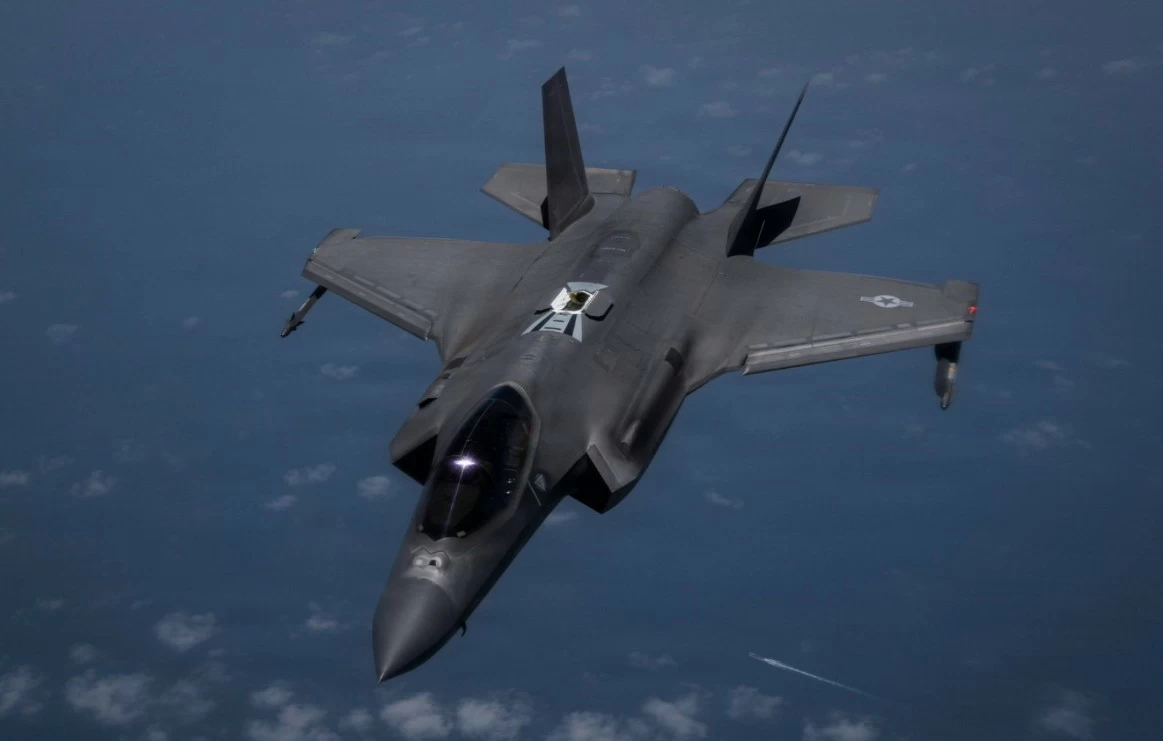
صعّدت الولايات المتحدة لهجتها العسكرية والاقتصادية تجاه إيران، معلنة تنفيذ سلسلة من الضربات ضد أهداف عسكرية تابعة للحرس الثوري، بالتزامن مع تأكيد وزير الخزانة الأمريكي استمرار الضغوط الاقتصادية على طهران حتى تكون مستعدة للعودة إلى طاولة المفاوضات.
وفيما أكدت القيادة المركزية الأمريكية نجاح موجة من الضربات على أهداف عسكرية إيرانية، كشف وزير الخزانة أن واشنطن ستواصل تشديد الخناق الاقتصادي على النظام الإيراني، معتبراً أن ما يجري في إيران «مسألة وقت»، وأن النظام يمر بمراحله الأخيرة.
«سنتكوم»: ضربات ناجحة ضد أهداف إيرانية
وأعلنت القيادة المركزية الأمريكية «سنتكوم» إكمال موجة من الضربات ضد أهداف عسكرية إيرانية، مؤكدة أن العمليات استهدفت مواقع تابعة للحرس الثوري شملت دفاعات جوية وأنظمة رادار.
وأضافت أن الضربات طالت أيضاً منشآت بحرية وقدرات لزرع الألغام ومواقع للاتصالات تابعة للحرس الثوري.
وبحسب «سنتكوم»، جاءت العمليات في أعقاب محاولات هجومية حديثة شنها الحرس الثوري ضد حركة الملاحة في مضيق هرمز وعسكريين أمريكيين، فضلاً عن محاولة استهداف سفن تجارية وقوات أمريكية.
50 ألف جندي أمريكي في الشرق الأوسط
وكشفت «سنتكوم» أن نحو 50 ألفاً من أفراد القوات المسلحة الأمريكية يعملون حالياً في أنحاء الشرق الأوسط، مؤكدةً الاستعداد لمواصلة العمليات.
وفي موازاة التصعيد العسكري، شدد وزير الخزانة الأمريكي على أن الضغوط الاقتصادية ستستمر، قائلاً إن واشنطن ستواصل «خنق النظام الإيراني اقتصادياً» مع تصاعد الضغوط على مسؤوليه وجنوده نتيجة العقوبات وتأخر دفع الرواتب.
«إما تغيير الحرس أو إسقاطه أو المفاوضات»
ورسم وزير الخزانة الأمريكي ثلاثة خيارات أمام إيران؛ إما أن ينقلب الحرس الثوري على بعضه، أو ينتفض الشعب عليه، أو تعود طهران إلى طاولة المفاوضات.
واعتبر أن مذكرة التفاهم السابقة فشلت لأن إيران لم تكن مستعدة لإبرام اتفاق، مؤكداً أن واشنطن ستواصل الضغط عليها حتى تصبح مستعدة للتوصل إلى اتفاق.
وأضاف أن إيران، في ظل الضغوط الاقتصادية، قد تجد نفسها أمام حالة من الذعر تدفعها إلى اللجوء للعمل العسكري.
«الاقتصاد الإيراني ينهار»
وفي توصيفه للوضع الاقتصادي، قال وزير الخزانة الأمريكي إن انهيار الاقتصاد الإيراني «مسألة وقت»، مشيراً إلى أن إيران غير قادرة حالياً على الوصول إلى الدولار.
وأضاف أن رئيس مجلس الاحتياطي الفيدرالي جيروم باول، ووزير الخزانة السابق سكوت بيسنت، ومحافظ البنك المركزي الإيراني، أقروا بالمشكلات الاقتصادية التي تواجهها طهران.
وأكد أن الولايات المتحدة ستغلق أي نافذة لتحويل الأموال إلى إيران، كما ستلاحق أي كيان يدعم النظام الإيراني.
الصين و«المنبوذ الاقتصادي»
وامتدت رسائل واشنطن إلى بكين، إذ كشف وزير الخزانة عن «حوارات بناءة» مع الصين بشأن إيران، وقال إن مسؤولين صينيين أكدوا دعم حملة «المنبوذ الاقتصادي» ضد طهران.
وفي المقابل، أكد أن باب التسوية لم يُغلق نهائياً، وأن واشنطن ستواصل الضغط على إيران حتى تصبح مستعدة للوصول إلى اتفاق.
The United States has escalated its military and economic rhetoric towards Iran, announcing the implementation of a series of strikes against military targets belonging to the Revolutionary Guard, coinciding with the confirmation from the U.S. Treasury Secretary that economic pressures on Tehran will continue until it is ready to return to the negotiating table.
While the U.S. Central Command confirmed the success of a wave of strikes on Iranian military targets, the Treasury Secretary revealed that Washington will continue to tighten the economic noose around the Iranian regime, considering that what is happening in Iran is "a matter of time," and that the regime is going through its final stages.
“CENTCOM”: Successful Strikes Against Iranian Targets
The U.S. Central Command "CENTCOM" announced the completion of a wave of strikes against Iranian military targets, confirming that the operations targeted sites belonging to the Revolutionary Guard, including air defenses and radar systems.
It added that the strikes also hit naval facilities and capabilities for laying mines, as well as communication sites belonging to the Revolutionary Guard.
According to "CENTCOM," the operations came in the wake of recent offensive attempts by the Revolutionary Guard against maritime navigation in the Strait of Hormuz and U.S. military personnel, in addition to attempts to target commercial ships and American forces.
50,000 U.S. Soldiers in the Middle East
"CENTCOM" revealed that about 50,000 members of the U.S. armed forces are currently operating throughout the Middle East, confirming readiness to continue operations.
Alongside the military escalation, the U.S. Treasury Secretary emphasized that economic pressures will continue, stating that Washington will continue to "strangle the Iranian regime economically" as pressures mount on its officials and soldiers due to sanctions and delays in salary payments.
“Either Change the Guard, Overthrow It, or Negotiate”
The U.S. Treasury Secretary outlined three options for Iran: either the Revolutionary Guard turns against itself, or the people rise up against it, or Tehran returns to the negotiating table.
He considered that the previous memorandum of understanding failed because Iran was not ready to reach an agreement, affirming that Washington will continue to pressure it until it is ready to reach a deal.
He added that Iran, under economic pressures, may find itself in a state of panic that drives it to resort to military action.
“The Iranian Economy is Collapsing”
In describing the economic situation, the U.S. Treasury Secretary stated that the collapse of the Iranian economy is "a matter of time," pointing out that Iran is currently unable to access dollars.
He added that Federal Reserve Chairman Jerome Powell, former Treasury Secretary Scott Pelley, and the Governor of the Central Bank of Iran acknowledged the economic problems facing Tehran.
He confirmed that the United States will close any window for transferring funds to Iran and will pursue any entity that supports the Iranian regime.
China and the “Economic Pariah”
Washington's messages extended to Beijing, as the Treasury Secretary revealed "constructive dialogues" with China regarding Iran, stating that Chinese officials confirmed their support for the "economic pariah" campaign against Tehran.
In return, he affirmed that the door for settlement has not been completely closed, and that Washington will continue to pressure Iran until it is ready to reach an agreement.