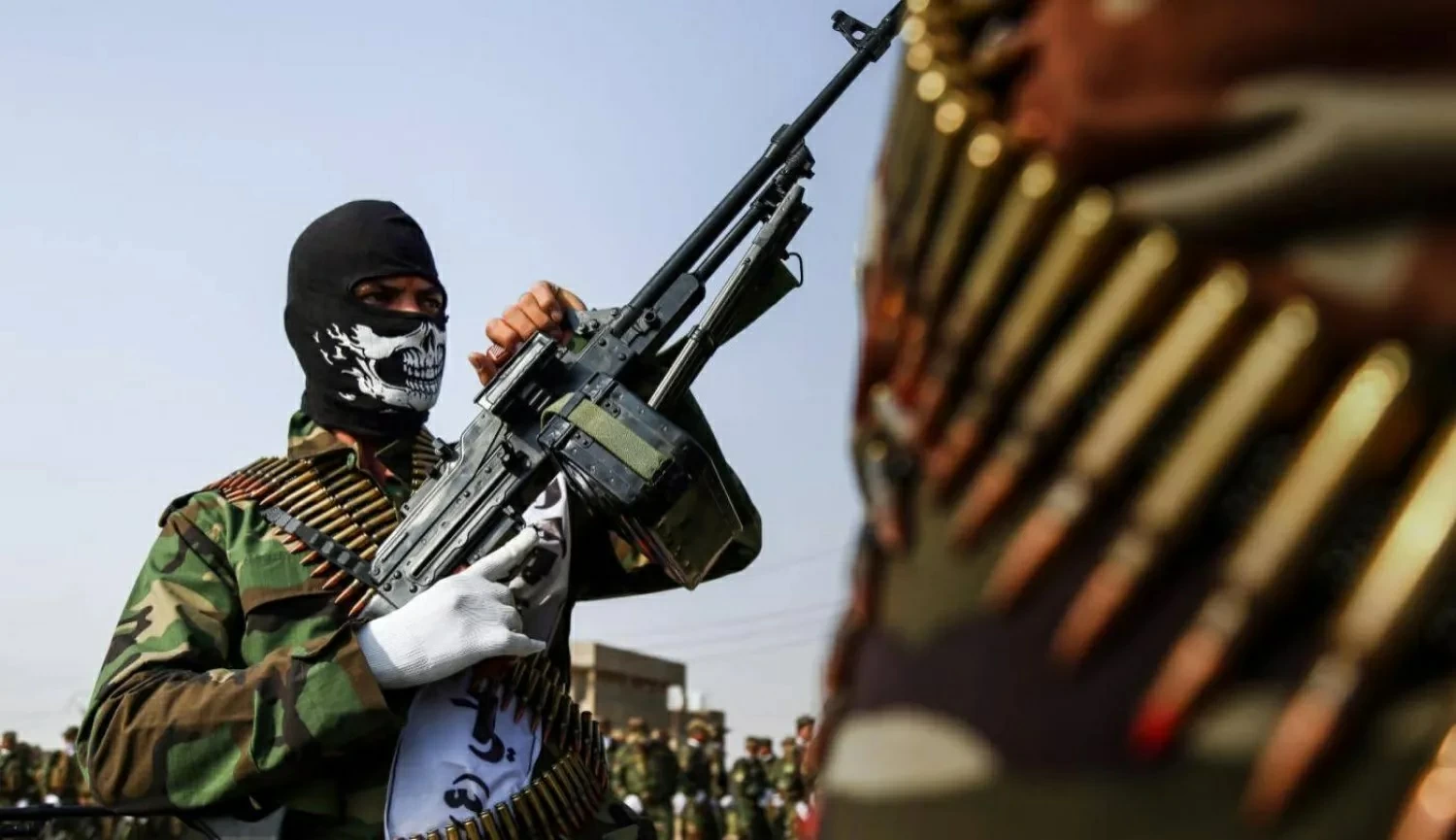
كشفت مصادر في ديوان رئاسة الحكومة العراقية، لـ«عكاظ»، شروط الفصائل العراقية لنزع سلاحها، وهي الشروط التي قدمتها في اجتماعات الليلة الماضية مع اللجنة الثلاثية المشكلة داخل الإطار التنسيقي والتي تضم رئيسي الوزراء السابقين نوري المالكي ومحمد شياع السوداني، إلى جانب زعيم منظمة بدر هادي العامري.
ولفتت المصادر إلى أن الفصائل كانت قبيل تشكيل اللجنة، ترفض بشكل قاطع حصر السلاح تحت أي مسمى، كما كانت ترفض الدخول في حوار بهذا الشأن، وبالتالي فإن قبولها الحوار والتفاعل مع اللجنة يمثلان مؤشراً على وجود مرونة في مواقفها.
وأوضحت المصادر أن «الفصائل أبلغت اللجنة المكلفة بالحوار معها بجملة من النقاط والشروط مقابل المضي في تفكيك السلاح، من بينها أن يكون القرار عراقياً ومستقلاً، وألا يخضع لأي إرادة خارجية، فضلاً عن رفض الضغوط الخارجية، ولا سيما الأمريكية، تحت أي مسمى».
وأشارت إلى أن من بين المطالب أيضاً إضفاء غطاء قانوني ودستوري على عملية حصر السلاح، من خلال إقرار قانون الحشد الشعبي تحت قبة البرلمان، بما يضمن شمول جميع الأطراف بملف حصر السلاح، فضلاً عن رفض تحديد سقف زمني للعملية، في ظل التقديرات السياسية الحالية التي تشير إلى خطورة الأوضاع على العراق، مع استمرار التصعيد العسكري في المنطقة وعلى الحدود العراقية المشتركة مع سورية والأردن.
وتابعت المصادر قائلة إن «الفصائل ترفض ربط ملف السلاح بالمطالب الأمريكية، إلى جانب ضرورة حسم ملفي وزارتي الداخلية والدفاع، وتحديد الجهة الرسمية المسؤولة عن تسلم السلاح.
وأضافت أن «الفصائل، في حال تنفيذ المطالب المشار إليها، ستلتزم بقرار حصر السلاح وفق المعطيات المطروحة، إلى جانب اشتراط جلاء القوات الأمريكية بالكامل وانسحاب القوات التركية من الأراضي العراقية».
وأكدت المصادر أن «اللجنة مستمرة في حواراتها مع قيادات الفصائل بهدف الوصول إلى اتفاق نهائي بشأن ملف إدارة السلاح، وأن الاجتماعات تكاد تُعقد بشكل يومي»، موضحة أن «هناك تأكيداً مشتركاً على ضرورة عدم جر البلاد إلى الصراع الذي تشهده المنطقة، لا سيما في ظل تجدد العمليات العسكرية بين إيران والولايات المتحدة وإسرائيل».
Sources in the Iraqi Prime Minister's Office revealed to "Okaz" the conditions set by the Iraqi factions for disarming, which were presented during last night's meetings with the tripartite committee formed within the coordination framework, comprising the two former Prime Ministers Nouri al-Maliki and Muhammad Shia' al-Sudani, alongside the leader of the Badr Organization, Hadi al-Amiri.
The sources pointed out that the factions had firmly rejected any attempt to restrict weapons under any name prior to the formation of the committee, and they had also refused to engage in dialogue on this matter. Therefore, their acceptance of dialogue and interaction with the committee represents an indication of flexibility in their positions.
The sources clarified that "the factions informed the committee tasked with dialogue with them of a set of points and conditions in exchange for proceeding with disarmament, including that the decision must be Iraqi and independent, and not subject to any external will, in addition to rejecting external pressures, especially from the United States, under any name."
They also noted that among the demands is to provide a legal and constitutional cover for the process of weapon restriction, through the approval of the Popular Mobilization Law under the parliament's dome, ensuring that all parties are included in the weapon restriction file, as well as rejecting the establishment of a timeline for the process, given the current political assessments that indicate the seriousness of the situation in Iraq, amid the ongoing military escalation in the region and on the shared borders with Syria and Jordan.
The sources continued, stating that "the factions refuse to link the weapon file with American demands, alongside the necessity of resolving the files of the Ministries of Interior and Defense, and determining the official body responsible for receiving the weapons."
They added that "the factions, if their mentioned demands are met, will commit to the decision of weapon restriction according to the proposed data, along with the condition of the complete withdrawal of American forces and the withdrawal of Turkish forces from Iraqi territory."
The sources confirmed that "the committee continues its dialogues with the faction leaders in order to reach a final agreement regarding the management of weapons, and that meetings are almost held daily," clarifying that "there is a mutual confirmation on the necessity of not dragging the country into the conflict currently witnessed in the region, especially in light of the renewed military operations between Iran, the United States, and Israel."