


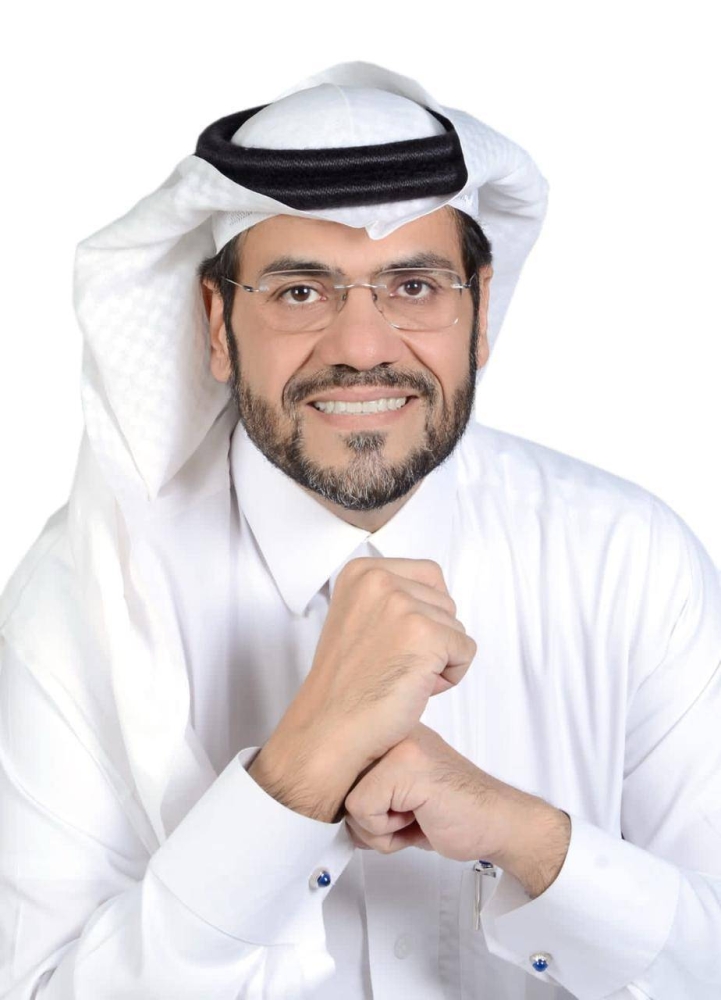
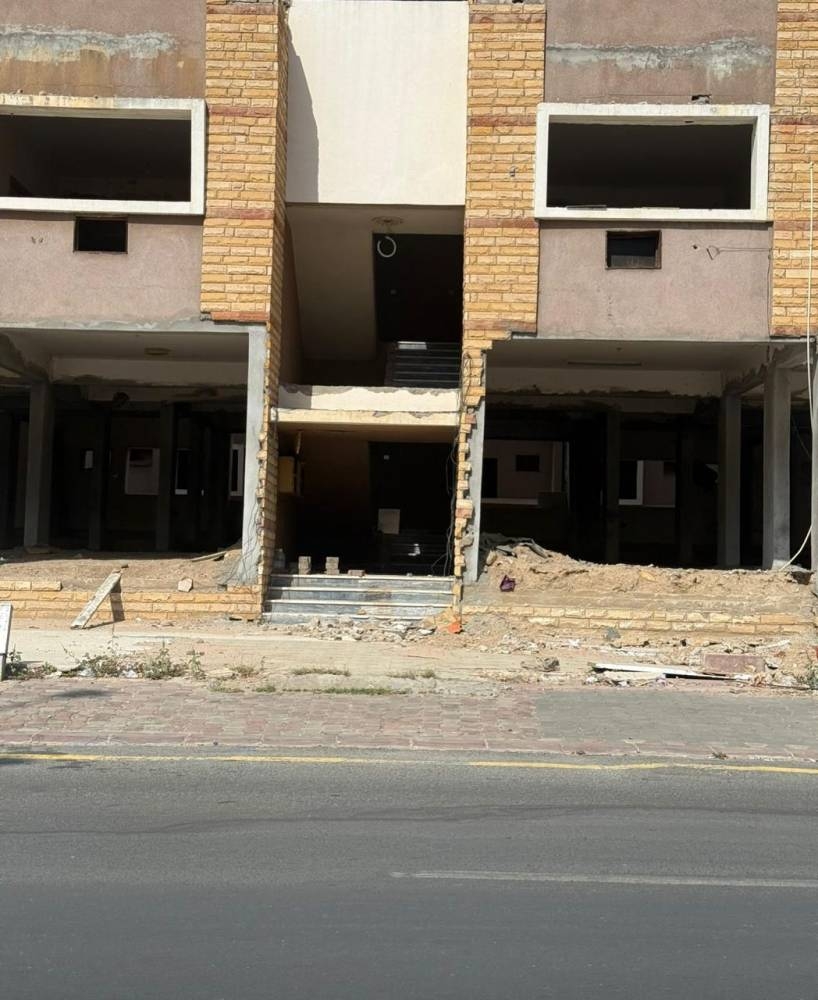
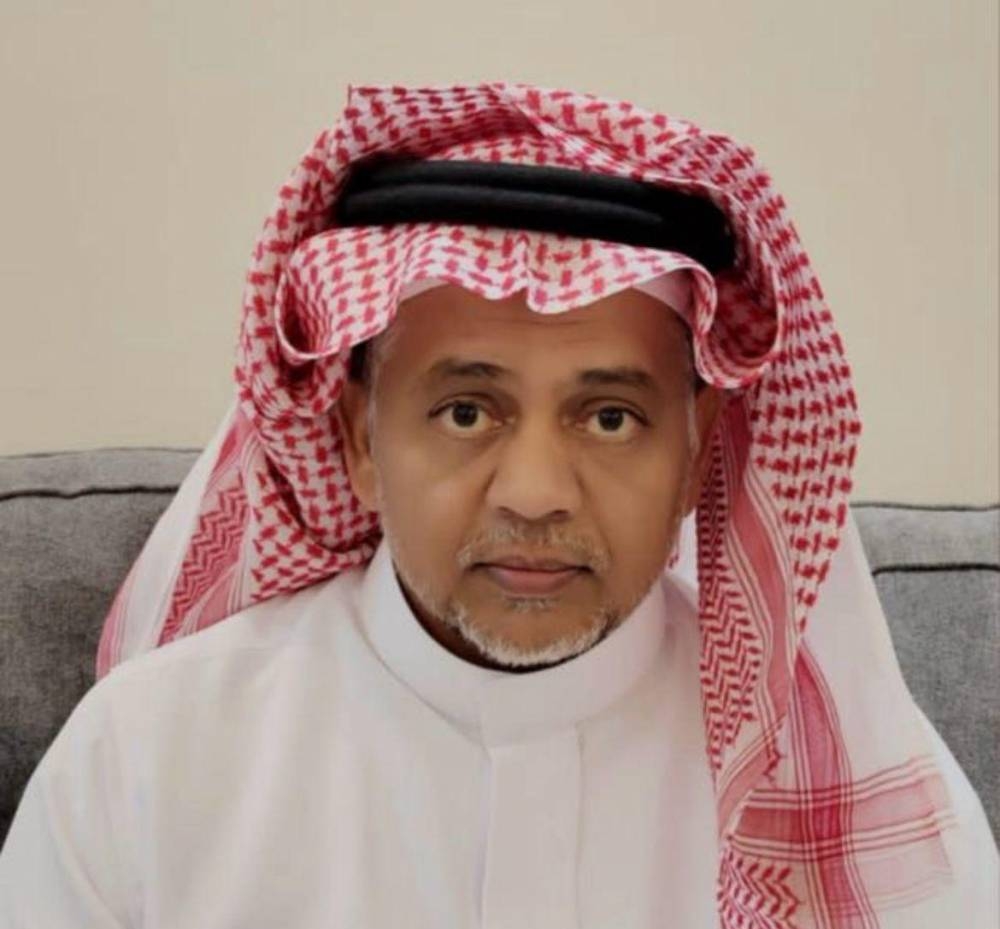
ظلت المباني الشاغرة تمثل معضلة عمرانية لدى السكان والجهات المعنية لعقود سابقة، بعدما تحوّل بعضها إلى نقاط تشوّه بصري ومواطن جذب للمخالفات، لكن قرار فرض الرسوم على الشاغرة أعاد المشهد إلى نقطة البداية، وأشعل نهضة تطوير لافتة.ورصدت «عكاظ»، بدء عمليات الترميم في عدد من المباني التجارية والسكنية التي ظلت مغلقة لسنوات، وسط حركة نشطة للعمالة الفنية ومعدات الصيانة، في خطوة استباقية من الملاك لتفادي الرسوم الجديدة.وقال المهتم بالشأن العقاري خالد المبيض، إن الرسوم دفعت الملاك إلى تحريك أصولهم المعطلة، وإن تجارب مماثلة - كوسط لندن - أثبتت فاعليتها في تحفيز السوق وتحقيق نهضة عمرانية، بمجرد فرض رسوم على العقارات غير المستغلة. وأوضح أن النظام الجديد انعكس أيضاً إيجاباً في تحسين سلوك الملاك تجاه المستأجرين، إذ أصبح الحفاظ على المستأجر خياراً عقلانياً لتجنّب خضوع العقار للرسوم، ما كبح من وتيرة الزيادات غير المبررة في الإيجارات.من جانبه، أفاد المستشار العقار عبدالله الثمالي، أن العقارات الشاغرة هي غير المستغلة داخل النطاق العمراني لفترة طويلة (بدون مسوغ مقبول) وفرض رسوم عليها هي خطوة في الاتجاه الصحيح، وسوف تساهم في عدة أمور منها تحفيز استخدام الأصول العقارية، تعزيز المعروض العقاري والمساهمة في التوازن بين الطلب والعرض، الحد من ارتفاعات الإيجارات وانتعاش التطوير العقاري، ودعم جودة الحياة في المدن، وتحفيز الملاك والمستثمرين على التفكير بأسلوب جديد يركّز على الجدوى الاقتصادية، ومعادلة الاستثمار، والالتزام المجتمعي، والمساهمة الفاعلة في صياغة مستقبل المدن لتكون أكثر استدامة.وكانت التعديلات على نظام رسوم الأراضي والعقارات، نصّت على فرض رسوم سنوية بنسبة 5% من قيمة أجرة العقارات المماثلة، مع إمكانية رفع النسبة إلى 10% بقرار من اللجنة الوزارية، إضافة إلى رسوم على الأراضي البيضاء بمساحة تتجاوز 5 آلاف متر مربع.
«عكاظ» ترصد.. رسوم العقارات تعيد «الشاغرة» إلى الحياة


The vacant buildings have remained an urban dilemma for residents and stakeholders for previous decades, as some of them turned into visual distortions and hotspots for violations. However, the decision to impose fees on vacant properties has returned the scene to square one and ignited a remarkable development renaissance. "Okaz" has observed the commencement of restoration operations in several commercial and residential buildings that have remained closed for years, amidst an active movement of skilled labor and maintenance equipment, in a proactive step by the owners to avoid the new fees. Real estate expert Khalid Al-Mubayyid stated that the fees have prompted owners to activate their dormant assets, and similar experiences - like in Central London - have proven effective in stimulating the market and achieving urban renaissance, simply by imposing fees on unused properties. He explained that the new system has also positively reflected in improving owners' behavior towards tenants, as maintaining tenants has become a rational choice to avoid the property being subjected to fees, which has curbed the pace of unjustified rent increases. For his part, real estate consultant Abdullah Al-Thumali noted that vacant properties are those that have been unused within the urban area for a long time (without an acceptable justification), and imposing fees on them is a step in the right direction. It will contribute to several matters, including stimulating the use of real estate assets, enhancing the real estate supply, contributing to the balance between demand and supply, limiting rent increases, reviving real estate development, supporting the quality of life in cities, and encouraging owners and investors to think in a new way that focuses on economic feasibility, the investment equation, community commitment, and actively contributing to shaping the future of cities to be more sustainable. The amendments to the land and property fee system stipulated the imposition of annual fees of 5% of the value of similar property rents, with the possibility of raising the percentage to 10% by a decision from the ministerial committee, in addition to fees on vacant land exceeding 5,000 square meters.





