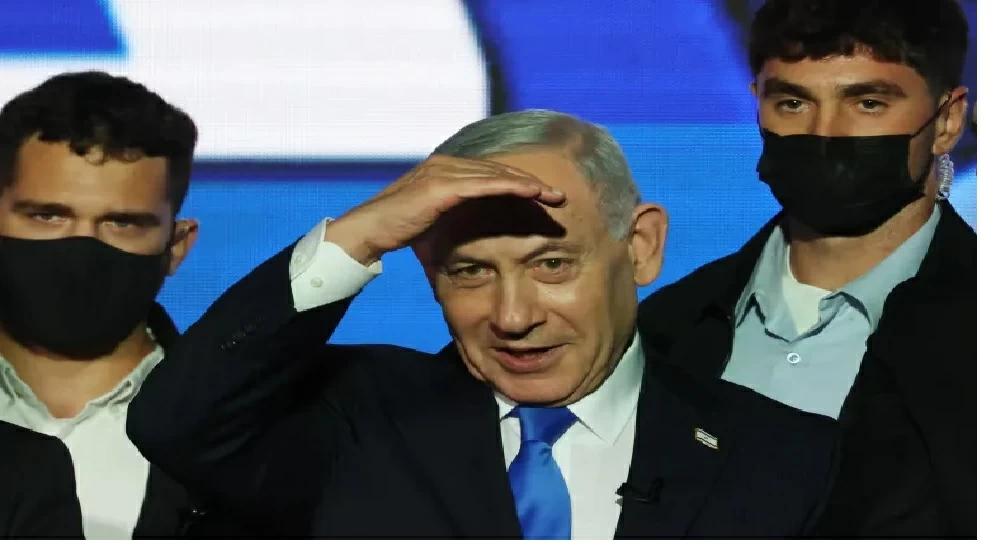
يتوجه الإسرائيليون، غداً (الثلاثاء)، إلى الانتخابات العامة، وسط انقسام سياسي ومجتمعي عميق، على خلفية تداعيات هجوم 7 أكتوبر والحرب على قطاع غزة.
وبين احتمال خسارة بنيامين نتنياهو السلطة وصعود منافسه غادي آيزنكوت، يبرز سؤال يتجاوز هوية رئيس الوزراء القادم: هل يؤدي تغيير القيادة إلى مراجعة السياسات الإسرائيلية، أم يعيد إنتاج الأزمة بأدوات ووجوه مختلفة؟.
وتشير تحليلات نشرتها صحف ومجلات دولية، بينها «فايننشال تايمز» و«نيويورك تايمز» و«فورين أفيرز»، إلى أن الانتخابات تمثل اختباراً لمستقبل المؤسسات الديمقراطية، ومحاسبة القيادة على الإخفاقات الأمنية، وحدود التغيير في التعامل مع الفلسطينيين والمنطقة.
معركة على هوية إسرائيل
لا تقتصر المنافسة على بقاء نتنياهو أو رحيله، بل تمتد إلى مستقبل استقلال القضاء والحريات العامة والتعددية السياسية، في ظل تنامي نفوذ التيارات القومية والدينية المتشددة.
ويرى رئيس تحرير «هآرتس» ألوف بن، في تحليل نشرته «فورين أفيرز»، أن وصول آيزنكوت قد يتيح تعديلات في إدارة المؤسسات الداخلية، لكنه لا يضمن تحولاً جذرياً في السياسة الخارجية أو الموقف من إقامة دولة فلسطينية. وتكشف هذه المفارقة أن محاسبة القيادة على إخفاق أمني كبير لا تعني بالضرورة مراجعة العقيدة الأمنية التي حكمت سياساتها.
7 أكتوبر.. أزمة المساءلة
يمثل هجوم حماس في 7 أكتوبر 2023 محوراً رئيسياً في المعركة الانتخابية. وتحمل المعارضة نتنياهو المسؤولية السياسية عن الإخفاق في منع الهجوم، وتنتقد رفضه إجراء تحقيق مستقل وشامل في ملابساته.
في المقابل، يحمّل نتنياهو ومؤيدوه المؤسسة العسكرية والأجهزة الأمنية جانباً من المسؤولية. لكن الخلاف بين المعسكرين لا يلغي، وفق تحليل بن، تقاطعهما في التشدد الأمني والشك في إمكان التوصل إلى تسوية مع الفلسطينيين.
صناديق الاقتراع لا تحسم السلطة
يعتمد النظام الإسرائيلي التمثيل النسبي، ويضم الكنيست 120 مقعداً، ما يعني أن تشكيل الحكومة يتطلب تأمين 61 مقعداً على الأقل.
وأظهرت استطلاعات حديثة تقارباً بين المعسكرين، دون ضمان امتلاك أي منهما أغلبية مستقرة. وتشمل السيناريوهات تشكيل آيزنكوت حكومة ائتلافية من المعارضة، أو نجاح نتنياهو في جمع حلفائه، أو تشكيل حكومة وحدة، أو فشل المفاوضات والعودة إلى انتخابات مبكرة.
وتمنح هذه الحسابات الأحزاب الصغيرة وزناً حاسماً، إذ قد تتوقف هوية رئيس الوزراء على تفاهمات وتنازلات تتجاوز نتائج الحزب الأكبر.
الفلسطينيون.. وحدود التغيير
لا يتوقع أن يؤدي وصول آيزنكوت إلى تحول جذري في الموقف من القضية الفلسطينية؛ إذ لا تحظى إقامة دولة فلسطينية بتأييد واسع بين الأحزاب اليهودية الإسرائيلية الرئيسية، كما أيدت قوى معارضة لنتنياهو عمليات عسكرية في غزة وإيران، وإن اختلفت معه بشأن إدارتها.
وتبرز خلافات في ملفات الاستيطان وعنف المستوطنين، إذ يُعد آيزنكوت أكثر انتقاداً لبعض هذه الممارسات. لكن ترجمة هذه المواقف إلى سياسات فعلية ستظل مرتبطة بتركيبة الائتلاف وتوازناته.
العزلة الدولية.. اختبار الحكومة
ربما يتيح تغيير القيادة فرصة لتحسين العلاقات مع بعض الشركاء الدوليين، لكن استمرار العمليات العسكرية والتوسع الاستيطاني قد يبقي الضغوط الدبلوماسية والاقتصادية قائمة. وفي المقابل، قد يؤدي استمرار حكومة نتنياهو إلى تعميق الخلافات الداخلية والخارجية.
في النهاية، لا تضمن الانتخابات تحولاً في السياسات تجاه الفلسطينيين، حتى لو أفضت إلى تغيير رئيس الوزراء. فالمعيار الحقيقي لن يكون هوية الفائز وحدها، بل مدى استعداد الحكومة القادمة لمراجعة السياسات الأمنية والاستيطانية، والتعامل مع مستقبل الدولة الفلسطينية، وإعادة بناء الثقة بالمؤسسات.
Israelis will head to the polls tomorrow (Tuesday) for general elections, amid a deep political and societal divide, following the repercussions of the October 7 attack and the war on the Gaza Strip.
With the possibility of Benjamin Netanyahu losing power and the rise of his competitor Gadi Eisenkot, a question emerges that goes beyond the identity of the next Prime Minister: Will a change in leadership lead to a review of Israeli policies, or will it merely reproduce the crisis with different tools and faces?
Analyses published by international newspapers and magazines, including the "Financial Times," "New York Times," and "Foreign Affairs," indicate that the elections represent a test for the future of democratic institutions, accountability for leadership failures in security, and the limits of change in dealing with Palestinians and the region.
The Battle for Israel's Identity
The competition is not limited to Netanyahu's staying or departure but extends to the future of judicial independence, public freedoms, and political pluralism, amid the growing influence of nationalist and religious extremist movements.
Aluf Benn, the editor-in-chief of "Haaretz," in an analysis published by "Foreign Affairs," argues that Eisenkot's arrival may allow for adjustments in the management of internal institutions, but it does not guarantee a radical shift in foreign policy or the stance on establishing a Palestinian state. This paradox reveals that holding leadership accountable for a significant security failure does not necessarily mean a review of the security doctrine that has governed its policies.
October 7... The Accountability Crisis
The Hamas attack on October 7, 2023, is a central focus in the electoral battle. The opposition holds Netanyahu politically responsible for failing to prevent the attack and criticizes his refusal to conduct an independent and comprehensive investigation into its circumstances.
In contrast, Netanyahu and his supporters attribute part of the responsibility to the military and security agencies. However, according to Benn's analysis, the disagreement between the two camps does not negate their intersection in security hardline stances and skepticism about the possibility of reaching a settlement with the Palestinians.
Ballots Do Not Determine Power
The Israeli system relies on proportional representation, with the Knesset comprising 120 seats, meaning that forming a government requires securing at least 61 seats.
Recent polls have shown a closeness between the two camps, without guaranteeing that either has a stable majority. Scenarios include Eisenkot forming a coalition government from the opposition, Netanyahu successfully gathering his allies, forming a unity government, or negotiations failing and returning to early elections.
These calculations give small parties critical weight, as the identity of the Prime Minister may depend on understandings and concessions that go beyond the results of the largest party.
The Palestinians... Limits of Change
Eisenkot's arrival is not expected to lead to a radical shift in the stance on the Palestinian issue; the establishment of a Palestinian state does not enjoy broad support among major Israeli Jewish parties, and opposition forces to Netanyahu have supported military operations in Gaza and Iran, even if they differ with him on their management.
Disagreements also arise over settlement issues and settler violence, with Eisenkot being more critical of some of these practices. However, translating these positions into actual policies will remain linked to the coalition's composition and its balances.
International Isolation... A Test for the Government
A change in leadership may provide an opportunity to improve relations with some international partners, but the continuation of military operations and settlement expansion may keep diplomatic and economic pressures in place. Conversely, the continuation of Netanyahu's government may deepen internal and external divisions.
In the end, the elections do not guarantee a shift in policies towards the Palestinians, even if they result in a change of Prime Minister. The real criterion will not be just the identity of the winner, but the extent to which the incoming government is willing to review security and settlement policies, deal with the future of the Palestinian state, and rebuild trust in institutions.