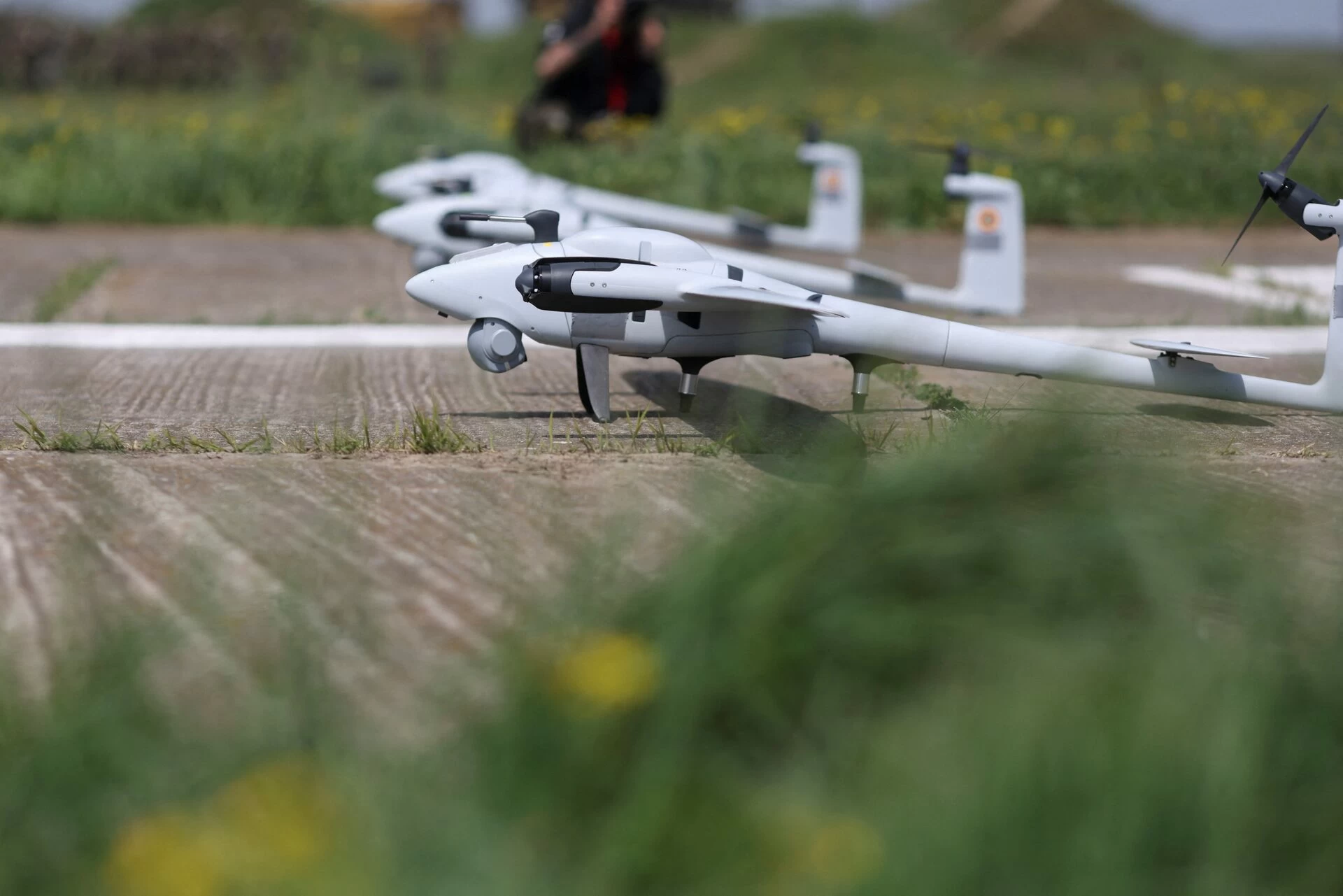
صعّدت قوات الدعم السريع هجماتها على البنية التحتية في السودان، بعدما شنت طائرات مسيّرة، اليوم (الاثنين)، هجمات استهدفت خمس محطات كهرباء في ولايات الجزيرة والقضارف والنيل الأبيض، ما تسبب في انقطاع التيار الكهربائي عن مناطق واسعة من شرق البلاد، وسط مخاوف من تفاقم الأوضاع الإنسانية والمعيشية للسكان.
وأعلن مسؤول حكومي أن الهجمات أدت إلى انقطاع الكهرباء عن مناطق واسعة، فيما أفاد مصدر في الجيش السوداني بأن طائرات مسيّرة انطلقت من إثيوبيا استهدفت محطات كهرباء الجنيد والحواتة والفاو. ولم يتسنَّ التحقق بشكل مستقل من مصدر الطائرات المسيّرة أو ملابسات الهجمات.
ونقلت وكالة «فرانس برس» عن مصادر في ولاية الجزيرة أن الكهرباء انقطعت منذ ما قبل فجر اليوم، بعد استهداف محطتين في الولاية، إلى جانب ثلاث محطات أخرى في ولايتي القضارف والنيل الأبيض، في تطور يهدد بتعطيل الخدمات الأساسية وزيادة الأعباء على المواطنين.
وتكتسب هذه الهجمات خطورةً إضافيةً في ظل استمرار الحرب التي ألقت بظلالها على مختلف مناحي الحياة في السودان، وألحقت أضراراً واسعةً بالبنية التحتية، فضلاً عن تدهور الأوضاع الاقتصادية والمعيشية، وصعوبة حصول قطاعات من السكان على الحاجات الأساسية.
ويثير استهداف منشآت الكهرباء مخاوف من انعكاساته على تشغيل المرافق الصحية، وتوفير مياه الشرب، واستمرار الخدمات الحيوية، خصوصاً في المناطق التي تعاني أصلاً من نقص الإمدادات وتراجع القدرة على الاستجابة للحاجات الإنسانية.
من جانبها، جددت الأمم المتحدة التأكيد على ضرورة حماية المدنيين والأعيان المدنية، بما في ذلك المرافق الطبية والعاملون في المجال الإنساني، وفقاً للقانون الدولي الإنساني، محذرةً من التداعيات الخطيرة لاستمرار الهجمات على المنشآت الحيوية.
وتأتي التطورات في وقت تواجه فيه الأسر السودانية ضغوطاً متزايدةً بسبب ارتفاع أسعار الغذاء وتعطل سلاسل الإمداد وتراجع الخدمات، ما يجعل انقطاع الكهرباء تهديداً إضافياً لقدرة السكان على تلبية حاجاتهم اليومية.
ويُخشى أن يؤدي استمرار استهداف البنية التحتية إلى توسيع نطاق المعاناة الإنسانية، وتعقيد جهود إيصال المساعدات، في وقت لا تزال فيه البلاد تواجه تداعيات حرب مستمرة منذ أبريل 2023.
The Rapid Support Forces have intensified their attacks on infrastructure in Sudan, after drones launched attacks today (Monday) targeting five power stations in the states of Al-Jazeera, Al-Qadarif, and White Nile, causing power outages in vast areas of eastern Sudan, amid fears of worsening humanitarian and living conditions for the population.
A government official announced that the attacks led to power outages in extensive areas, while a source in the Sudanese army reported that drones launched from Ethiopia targeted the Al-Junayd, Al-Hawata, and Al-Faw power stations. It has not been possible to independently verify the source of the drones or the circumstances of the attacks.
The French news agency reported from sources in Al-Jazeera state that electricity has been cut off since before dawn today, after two stations in the state were targeted, along with three other stations in Al-Qadarif and White Nile states, in a development that threatens to disrupt essential services and increase the burdens on citizens.
These attacks gain additional seriousness amid the ongoing war, which has cast a shadow over various aspects of life in Sudan, causing extensive damage to infrastructure, as well as a deterioration in economic and living conditions, and difficulties for sectors of the population in obtaining basic necessities.
The targeting of electricity facilities raises concerns about its impact on the operation of health facilities, the provision of drinking water, and the continuation of vital services, especially in areas that are already suffering from supply shortages and a diminished capacity to respond to humanitarian needs.
For its part, the United Nations has reiterated the necessity of protecting civilians and civilian objects, including medical facilities and humanitarian workers, in accordance with international humanitarian law, warning of the serious repercussions of continued attacks on vital installations.
The developments come at a time when Sudanese families are facing increasing pressures due to rising food prices, disrupted supply chains, and declining services, making power outages an additional threat to the population's ability to meet their daily needs.
There are fears that the continued targeting of infrastructure will expand the scope of humanitarian suffering and complicate efforts to deliver aid, at a time when the country is still facing the repercussions of a war that has been ongoing since April 2023.