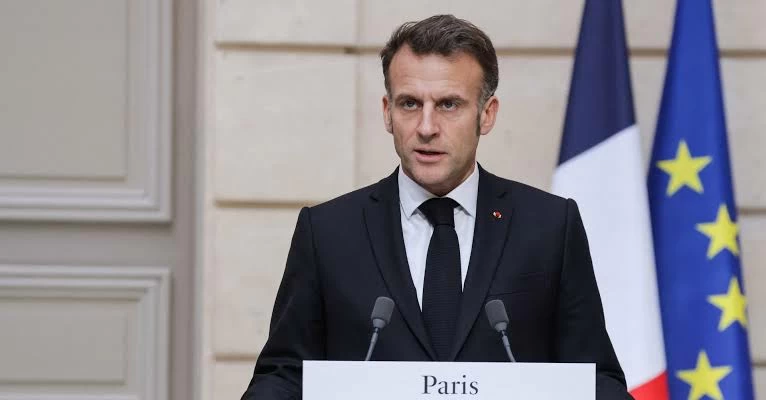
تسعى فرنسا إلى توسيع دورها النووي في أوروبا عبر مبادرة «الردع النووي المتقدم»، التي طرحها الرئيس إيمانويل ماكرون، بهدف تعزيز قدرة القارة على مواجهة التهديدات الروسية، في ظل تصاعد الشكوك بشأن مدى استعداد الولايات المتحدة للدفاع عن حلفائها الأوروبيين في حال اندلاع مواجهة كبرى.
نشر مقاتلات رافال
وبحسب صحيفة «وول ستريت جورنال»، تتضمن المبادرة نشر مقاتلات «رافال» القادرة على حمل أسلحة نووية في أنحاء أوروبا، إلى جانب تطوير البنية التحتية العسكرية وشبكات الاتصالات الآمنة وأنظمة الإنذار المبكر، وتعزيز تبادل المعلومات الاستخباراتية مع الدول المشاركة.
وانضمت 10 دول أوروبية إلى المبادرة بدرجات متفاوتة، بينها بريطانيا وألمانيا وبولندا وهولندا وبلجيكا واليونان وفنلندا والنرويج والسويد والدنمارك، فيما لم تشمل القائمة دول البلطيق الثلاث، الأكثر عرضةً للتهديدات الروسية، ورفضت إيطاليا المشاركة.
مظلة مكملة لا بديلة
وأكد مسؤولون أوروبيون أن المبادرة لا تستهدف استبدال المظلة النووية الأمريكية، بل استكمالها بقدرات أوروبية إضافية، يمكن أن تسهم بعض بنيتها التحتية أيضاً في تعزيز الدفاع التقليدي.
وقال وزير الخارجية النرويجي إسبن بارث إيدي إن فرنسا تمتلك قدرة إستراتيجية مهمة في ظل مرحلة أكثر توتراً جيوسياسياً، مشدداً على أن المبادرة تكمل الضمانات الأمريكية القائمة.
من جهته، أوضح مستشار ماكرون للشؤون الإستراتيجية كزافييه شاتيل أن المشروع يضيف تعقيدات أمام الحسابات الروسية، ويمنح باريس خيارات إضافية لنشر قواتها النووية في حال التصعيد.
سيطرة فرنسية كاملة
وتحتفظ باريس بالقرار المستقل بشأن استخدام أسلحتها النووية، وفق عقيدتها التي تجيز اللجوء إليها عندما تتعرض «المصالح الحيوية» الفرنسية للخطر. وكان ماكرون قد أكد أن هذه المصالح قد تتجاوز الحدود الوطنية لتشمل البعد الأوروبي.
وتشير التقديرات إلى امتلاك فرنسا نحو 290 رأساً نووياً عاملاً، مع توجهها إلى استئناف تصنيع أجهزة نووية بعد توقف دام عقوداً، وعدم الكشف مستقبلاً عن حجم مخزونها النووي.
لكن المبادرة لا تمنح الدول المشاركة حق اتخاذ قرار استخدام السلاح النووي الفرنسي، وهو ما يثير تساؤلات بشأن مدى الضمانات الفعلية التي ستوفرها باريس لحلفائها.
شكوك في الالتزام الأمريكي
وتأتي الخطوة الفرنسية في وقت تتزايد فيه المخاوف الأوروبية بشأن استمرارية الالتزام الأمريكي، خصوصاً مع تقارب الرئيس دونالد ترمب مع نظيره الروسي فلاديمير بوتين، والضغوط الأمريكية على أوكرانيا.
وتختلف المنظومة الفرنسية عن برنامج المشاركة النووية الأمريكي داخل حلف شمال الأطلسي؛ إذ تحتفظ باريس باستقلال قرارها، بينما يخضع استخدام الأسلحة الأمريكية المنتشرة في أوروبا لترتيبات وموافقات مشتركة.
ويرى خبراء أن الصواريخ النووية الفرنسية المحمولة على مقاتلات «رافال» توفر قدرة على تهديد أهداف داخل العمق الروسي، لكنهم يحذرون من أن المبادرة لا تمثل بديلاً مكافئاً للردع الأمريكي الموسع.
اختبار سياسي مستقبلي
وتواجه المبادرة أيضاً تحديات سياسية، أبرزها احتمال وصول مارين لوبان، زعيمة حزب التجمع الوطني، إلى الرئاسة الفرنسية. ويحذر محللون من أن ذلك قد يضعف ثقة الشركاء الأوروبيين في استمرارية الالتزامات الفرنسية.
وبين تعزيز الاستقلال الاستراتيجي الأوروبي والحفاظ على الشراكة الأمريكية، تراهن باريس على أن توسيع نطاق ردعها النووي سيمنح القارة خيارات إضافية، فيما يبقى نجاح المشروع مرهوناً بمدى ثقة الحلفاء في استعداد فرنسا لتحمل مخاطر المواجهة دفاعاً عن أمنهم.
France seeks to expand its nuclear role in Europe through the "Advanced Nuclear Deterrence" initiative proposed by President Emmanuel Macron, aimed at enhancing the continent's ability to confront Russian threats, amid rising doubts about the United States' readiness to defend its European allies in the event of a major confrontation.
Deployment of Rafale Fighters
According to the Wall Street Journal, the initiative includes the deployment of Rafale fighters capable of carrying nuclear weapons across Europe, along with the development of military infrastructure, secure communication networks, early warning systems, and enhanced intelligence sharing with participating countries.
Ten European countries have joined the initiative to varying degrees, including the UK, Germany, Poland, the Netherlands, Belgium, Greece, Finland, Norway, Sweden, and Denmark, while the list does not include the three Baltic states, which are most vulnerable to Russian threats, and Italy has refused to participate.
Complementary Umbrella, Not a Replacement
European officials have confirmed that the initiative is not aimed at replacing the American nuclear umbrella, but rather complementing it with additional European capabilities, some of which could also contribute to strengthening conventional defense.
Norwegian Foreign Minister Espen Barth Eide stated that France possesses significant strategic capability amid a more geopolitically tense phase, emphasizing that the initiative complements existing American guarantees.
For his part, Macron's strategic affairs advisor, Xavier Chatel, explained that the project adds complexities to Russian calculations and provides Paris with additional options for deploying its nuclear forces in the event of escalation.
Complete French Control
Paris retains independent decision-making regarding the use of its nuclear weapons, according to its doctrine, which permits resorting to them when "vital French interests" are at risk. Macron has affirmed that these interests may extend beyond national borders to encompass the European dimension.
Estimates suggest that France possesses around 290 operational nuclear warheads, with plans to resume the production of nuclear devices after decades of cessation, and not to disclose the size of its nuclear stockpile in the future.
However, the initiative does not grant participating countries the right to decide on the use of French nuclear weapons, raising questions about the actual guarantees that Paris will provide to its allies.
Doubts About American Commitment
The French move comes at a time when European concerns about the continuity of American commitment are increasing, especially with President Donald Trump's rapprochement with Russian President Vladimir Putin and American pressures on Ukraine.
The French system differs from the American nuclear sharing program within NATO; Paris retains its decision-making independence, while the use of American weapons deployed in Europe is subject to joint arrangements and approvals.
Experts believe that French nuclear missiles mounted on Rafale fighters provide the capability to threaten targets deep within Russia, but they warn that the initiative does not represent an equivalent alternative to extended American deterrence.
Future Political Test
The initiative also faces political challenges, the most prominent being the possibility of Marine Le Pen, leader of the National Rally party, reaching the French presidency. Analysts warn that this could undermine European partners' confidence in the continuity of French commitments.
Between enhancing European strategic independence and maintaining the American partnership, Paris bets that expanding its nuclear deterrence will provide the continent with additional options, while the success of the project hinges on the level of trust allies have in France's willingness to take risks in defense of their security.