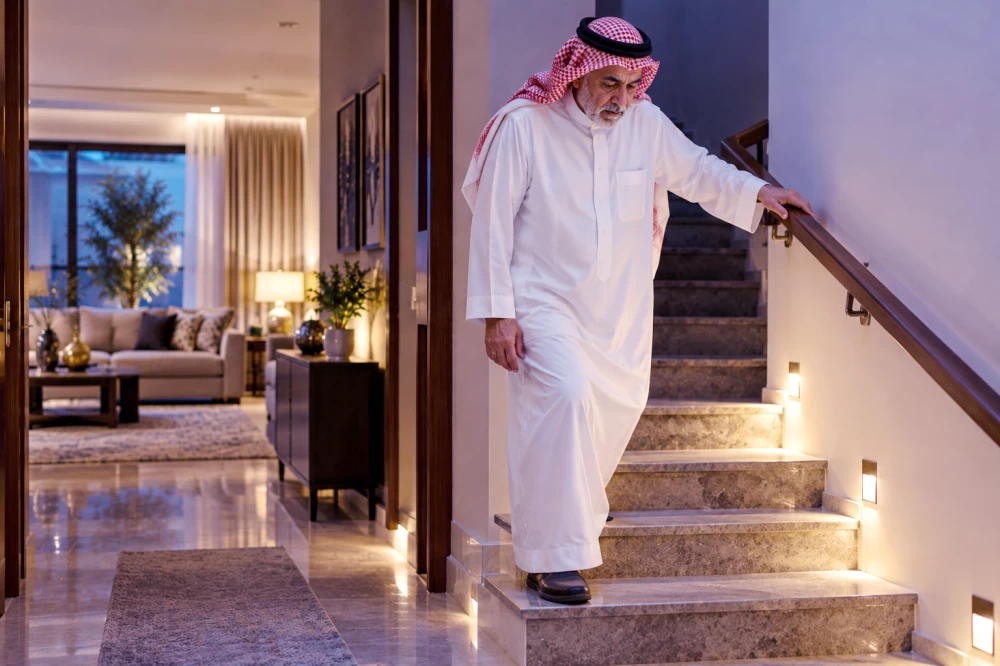
تتحول الإضاءة الضعيفة داخل المنازل إلى عامل قد يزيد صعوبة الحركة لدى كبار السن، خصوصاً في الممرات والسلالم ودورات المياه، حيث تتداخل تغيرات الرؤية المرتبطة بالعمر مع ضعف التوازن والعوائق المنزلية، ما يرفع احتمالات التعثر والسقوط.
وتشير أبحاث الوقاية من السقوط إلى أن التقدم في العمر قد يصاحبه تراجع في القدرة على التكيف مع تغير مستويات الإضاءة، وانخفاض حساسية العين للتباين بين الأجسام والأسطح، الأمر الذي يجعل تمييز حواف الدرج والعوائق الصغيرة أكثر صعوبة.
وتكتسب هذه المشكلة أهمية صحية، مع تقديرات منظمة الصحة العالمية التي تشير إلى تسجيل نحو 684 ألف وفاة سنوياً بسبب السقوط عالمياً، فيما يعد الأشخاص الذين تجاوزوا الستين الأكثر عرضة للسقوط المميت.
ويؤكد متخصصون، أن الوقاية لا تقتصر على زيادة شدة الإضاءة، بل تشمل توزيعها بصورة متوازنة وتقليل الوهج وإزالة العوائق وتوفير مقابض دعم عند الحاجة.
ويساعد تحسين إنارة الممرات والسلالم، خصوصاً أثناء الليل، على توفير بيئة منزلية أكثر أماناً، ضمن إجراءات متكاملة تراعي النظر والتوازن والحالة الصحية لكبار السن.
Poor lighting inside homes can become a factor that increases mobility difficulties for the elderly, especially in hallways, stairs, and bathrooms, where age-related vision changes intersect with balance issues and household obstacles, raising the likelihood of tripping and falling.
Fall prevention research indicates that aging may be accompanied by a decline in the ability to adapt to changing light levels and a decrease in the eye's sensitivity to contrast between objects and surfaces, making it more difficult to distinguish the edges of stairs and small obstacles.
This issue gains health significance, with estimates from the World Health Organization indicating approximately 684,000 deaths annually due to falls worldwide, with individuals over sixty being the most susceptible to fatal falls.
Experts emphasize that prevention is not limited to increasing light intensity but also includes distributing it evenly, reducing glare, removing obstacles, and providing support handles when needed.
Improving lighting in hallways and stairs, especially at night, helps create a safer home environment as part of comprehensive measures that consider the vision, balance, and health status of the elderly.