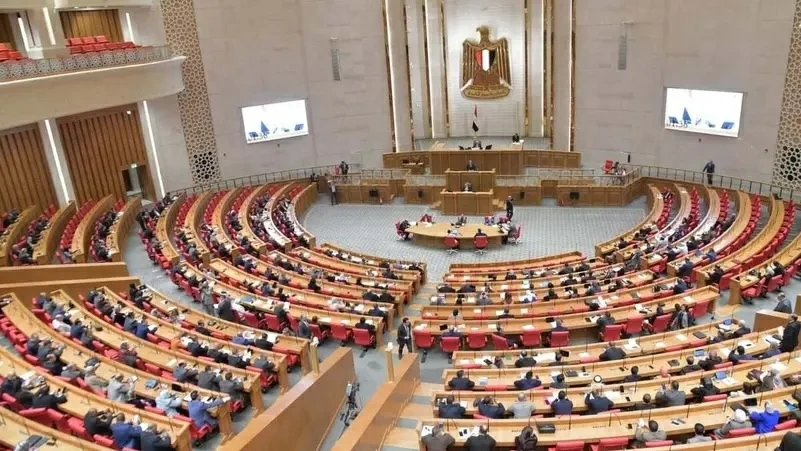
وافق مجلس النواب المصري، اليوم (الاثنين)، خلال جلسته العامة بأغلبية ثلثي أعضائه على تفويض الرئيس عبد الفتاح السيسي لاتخاذ ما يلزم من إجراءات لتقديم دعم عسكري للمملكة العربية السعودية، حال طلبت ذلك، في خطوة تأتي تأكيداً لموقف القاهرة الداعم لأمن المملكة واستقرارها في ظل التطورات الإقليمية الراهنة.
وبرئاسة المستشار هشام بدوي،عقد المجلس جلستين الأسبوع الماضي بناء على طلب الرئيس عبد الفتاح السيسي استمع خلالهما لممثلي الهيئات البرلمانية وعدد كبير من النواب من مختلف الاتجاهات السياسية.
ويأتي القرار في إطار التنسيق المصري السعودي بشأن التحديات الأمنية التي تشهدها المنطقة، واستناداً إلى العلاقات الإستراتيجية والتاريخية التي تجمع البلدين، وحرص القاهرة على مساندة المملكة في حماية أمنها وسلامة أراضيها.
تحرك مصري لدعم أمن المملكة
وكان السيسي طلب من مجلس النواب الحصول على التفويض اللازم لاتخاذ إجراءات دفاعية لمساندة السعودية، مؤكداً استعداد مصر لاتخاذ ما يلزم للدفاع عن أمن المملكة إذا طلبت ذلك.
وأوضح الرئيس المصري، خلال كلمته في حفل تخريج الدفعة الأولى من الأكاديمية العسكرية المصرية، أن التحرك يتطلب استكمال الإجراءات الدستورية والحصول على موافقة البرلمان، مشدداً على أن القاهرة لا يمكن أن تقبل بالمساس بأمن السعودية واستقرارها.
التضامن مع السعودية
وسبق أن أعلن مجلس الدفاع الوطني المصري، برئاسة السيسي، تضامن مصر الكامل مع المملكة العربية السعودية، مؤكداً الاستعداد لتقديم مختلف أشكال الدعم اللازمة والممكنة للدفاع عن أمنها واستقرارها وصون مقدراتها وسلامة أراضيها.
وشدد المجلس على ارتباط الأمن القومي السعودي بالأمن القومي المصري والعربي، داعياً إلى مواصلة الجهود السياسية والدبلوماسية بالتنسيق مع الأطراف الإقليمية والدولية لخفض التصعيد وتسوية الأزمات بالوسائل السلمية.
الإطار الدستوري للتفويض العسكري
وتنص المادة 152 من الدستور المصري على ضرورة أخذ رأي مجلس الدفاع الوطني والحصول على موافقة مجلس النواب بأغلبية ثلثي أعضائه قبل إرسال القوات المسلحة في مهمة قتالية خارج حدود الدولة.
وتحدد المادة 130 من اللائحة الداخلية للمجلس إجراءات الموافقة على إرسال القوات المسلحة في مهام قتالية خارج البلاد، من خلال جلسة سرية عاجلة ستعقد بناء على طلب رئيس الجمهورية، بعد أخذ رأي مجلس الدفاع الوطني.
The Egyptian House of Representatives approved today (Monday), during its general session with a two-thirds majority of its members, the delegation of President Abdel Fattah El-Sisi to take necessary measures to provide military support to the Kingdom of Saudi Arabia, should it request such support. This step reaffirms Cairo's position in support of the Kingdom's security and stability amid current regional developments.
Under the presidency of Counselor Hisham Badawy, the council held two sessions last week at the request of President Abdel Fattah El-Sisi, during which it listened to representatives of parliamentary bodies and a large number of deputies from various political directions.
The decision comes as part of Egyptian-Saudi coordination regarding the security challenges facing the region, based on the strategic and historical relations that bind the two countries, and Cairo's keenness to support the Kingdom in protecting its security and territorial integrity.
Egyptian move to support the Kingdom's security
El-Sisi had requested from the House of Representatives the necessary delegation to take defensive measures to support Saudi Arabia, affirming Egypt's readiness to take whatever is necessary to defend the Kingdom's security if requested.
The Egyptian president clarified, during his speech at the graduation ceremony of the first batch from the Egyptian Military Academy, that the move requires completing constitutional procedures and obtaining parliamentary approval, stressing that Cairo cannot accept any harm to Saudi Arabia's security and stability.
Solidarity with Saudi Arabia
The Egyptian National Defense Council, chaired by El-Sisi, had previously announced Egypt's full solidarity with the Kingdom of Saudi Arabia, confirming its readiness to provide all necessary and possible forms of support to defend its security, stability, and the safeguarding of its resources and territorial integrity.
The council emphasized the link between Saudi national security and Egyptian and Arab national security, calling for continued political and diplomatic efforts in coordination with regional and international parties to de-escalate tensions and resolve crises through peaceful means.
The constitutional framework for military delegation
Article 152 of the Egyptian Constitution stipulates the necessity of obtaining the opinion of the National Defense Council and securing the approval of the House of Representatives by a two-thirds majority of its members before sending the armed forces on a combat mission outside the state's borders.
Article 130 of the council's internal regulations specifies the procedures for approving the deployment of the armed forces on combat missions abroad, through an urgent secret session to be held at the request of the President of the Republic, after obtaining the opinion of the National Defense Council.