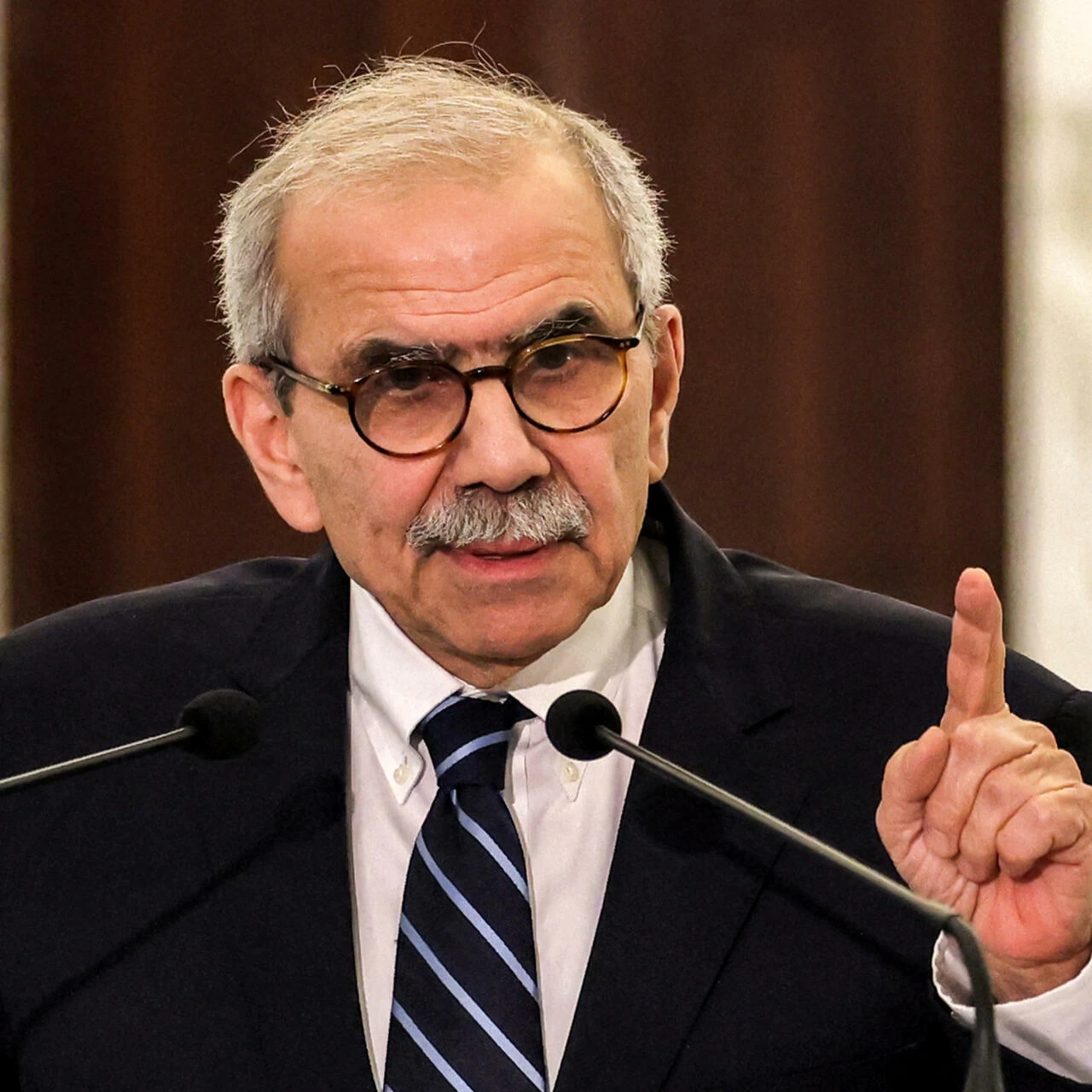
أكد رئيس الوزراء اللبناني نواف سلام أن مسألة حصر السلاح ليست إرضاء لإسرائيل. وقال في تصريحات اليوم (الأربعاء): إن السلطات اللبنانية ذهبت إلى المحادثات المباشرة مع إسرائيل لأنها الطريق الأقل كلفة على لبنان.
ولفت سلام إلى أن الحكومة وضعت في صورة الخلية التي تشكّلت في سويسرا بهدف تثبيت وقف إطلاق النار، إلا أنه لفت إلى أن مسار المفاوضات في واشنطن مختلف عنها.
وشدد نواف على تمسك لبنان بالانسحاب الإسرائيلي الكامل من الجنوب والإفراج عن الأسرى. وقال:«لن نقبل ببقاء خمس نقاط ولا نقطتين. ونطالب أيضًا بالإفراج عن الأسرى، وإنهاء مسألة النقاط العالقة على الحدود».
وفي مؤشر جديد على تصاعد التوتر بين واشنطن وتل أبيب، جدد وزير الدفاع الإسرائيلي يسرائيل كاتس التأكيد على أنه لن يسحب قوات الجيش من الجنوب اللبناني.
وقال في تصريحات اليوم «حتى لو كان هناك طلب أمريكي، فلن نسحب قواتنا من جنوب لبنان.. ولن نسمح بعودة 200 ألف من سكان المستوطنات الشمالية إلى وضع التهديد السابق».
وشدد على أن الجيش الإسرائيلي لن يغادر ما وصفها بـ«المنطقة الأمنية» في سورية ولبنان، مضيفاً «أن هذه عقيدتنا الأمنية. وزعم أن الجيش الإسرائيلي يجب أن يكون عند جهة العدو، وأن يدافع عن البلدات من داخل أرضيه نفسها... الجنود في الداخل، والسكان في الخارج.. نحن لا ننسحب».
من جانبه، اعتبر وزير الخارجية الإسرائيلي جدعون ساعر أن المفاوضات الجارية منذ أمس (الثلاثاء) في واشنطن مع لبنان تاريخية ومهمة للغاية. وأكد أن «حزب الله يشكل خطرا على استقلال لبنان وأمن إسرائيل».
وتتواصل جولة المحادثات الخامسة التي أطلقت أمس بين لبنان وإسرائيل في واشنطن من أجل التوصل لاتفاق ينهي الحرب والمواجهات التي تفجرت بين إسرائيل وحزب الله في الثاني من مارس الماضي، وأدت إلى مقتل نحو 4000 آلاف لبناني.
وتمر العلاقات الأمريكية - الإسرائيلية بتقلبات شديدة، بدا أثرها بشكل واضح عبر الانتقادات التي ظهرت إلى العلن من قبل الرئيس الأمريكي دونالد ترمب ضد رئيس الوزراء الإسرائيلي بنيامين نتنياهو.
The Lebanese Prime Minister, Nawaf Salam, confirmed that the issue of disarming is not to appease Israel. He stated in remarks today (Wednesday) that the Lebanese authorities engaged in direct talks with Israel because it is the least costly path for Lebanon.
Salam pointed out that the government was informed about the cell formed in Switzerland to establish a ceasefire, but he noted that the course of negotiations in Washington is different from that.
Nawaf emphasized Lebanon's insistence on the complete Israeli withdrawal from the south and the release of prisoners. He said, "We will not accept the presence of five points or two points. We also demand the release of prisoners and the resolution of the outstanding issues at the border."
In a new indication of rising tensions between Washington and Tel Aviv, Israeli Defense Minister Israel Katz reiterated that he would not withdraw army forces from southern Lebanon.
He stated in remarks today, "Even if there is an American request, we will not withdraw our forces from southern Lebanon... and we will not allow the return of 200,000 residents from the northern settlements to the previous threat situation."
He stressed that the Israeli army will not leave what he described as the "security zone" in Syria and Lebanon, adding, "This is our security doctrine. He claimed that the Israeli army must be at the enemy's side and defend the towns from within its own territory... soldiers inside, civilians outside... we are not withdrawing."
For his part, Israeli Foreign Minister Gidon Sa'ar considered the ongoing negotiations since yesterday (Tuesday) in Washington with Lebanon to be historic and extremely important. He confirmed that "Hezbollah poses a danger to Lebanon's independence and Israel's security."
The fifth round of talks, which began yesterday between Lebanon and Israel in Washington, continues in order to reach an agreement to end the war and confrontations that erupted between Israel and Hezbollah on March 2, which resulted in the deaths of about 4,000 Lebanese.
US-Israeli relations are experiencing severe fluctuations, the effects of which have been clearly seen through the public criticisms made by US President Donald Trump against Israeli Prime Minister Benjamin Netanyahu.