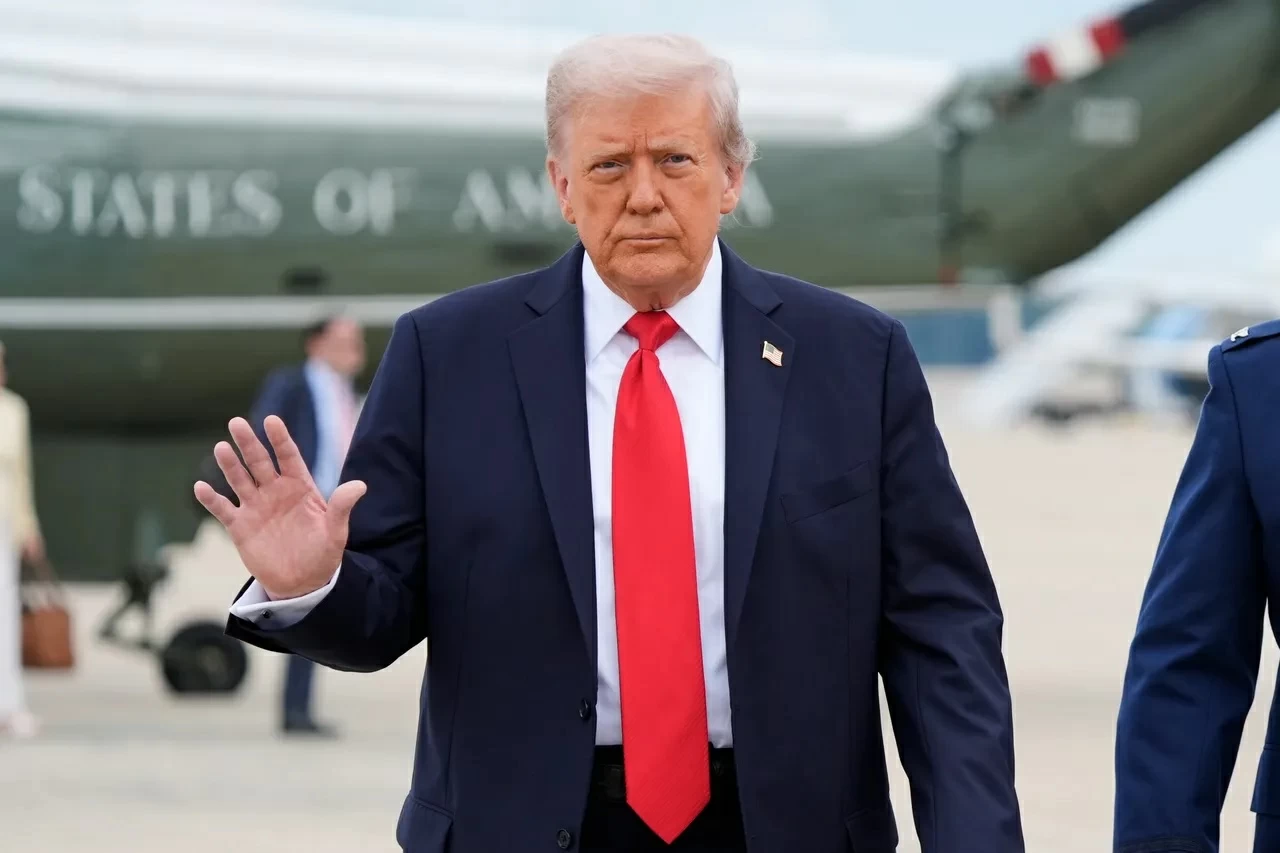
كشف الرئيس الأمريكي دونالد ترمب أن إيران كانت على وشك السقوط ومستعدة لمنح الولايات المتحدة كل ما تريده.
وكتب في منشور على منصته «تروث سوشيال»، اليوم(الأربعاء): «إيران كانت على شفا الهزيمة، مستعدة للسقوط، ومستعدة لتقديم أي شيء لنا تقريبا، وللمرة الأولى منذ عقود، تُبدي احتراما كبيرا للولايات المتحدة ورئيسها».
وشن ترمب هجوما على مجلس الشيوخ الأمريكي، الذي قرر إجراء تصويت سيئ التوقيت بشأن قانون صلاحيات الحرب، على حد قوله. ووصف التصويت بالسيئ وعديم الجدوى. واعتبر أن المجلس قدم العون للعدو بما فعله وصعب مهمته لكنه شدد على أنه سينجزها بطريقة أو بأخرى.
وكان مجلس الشيوخ أيد تشريعا يلزم ترمب بوقف الأعمال العسكرية الأمريكية في إيران، في أحدث معارضة من جانب الكونجرس للرئيس المنتمي إلى الحزب الجمهوري. إذ صوّت الكونجرس بأغلبية 50 صوتا مؤيدا مقابل 48 صوتا معارضا لقرار صلاحيات الحرب الذي أقره مجلس النواب في وقت مبكر هذا الشهر، ما يعكس القلق المتزايد حتى بين بعض أعضاء حزب ترمب الجمهوري إزاء هذه الحرب التي لا تحظى بشعبية والتي اندلعت في 28 فبراير الماضي.
جاء هذا التصويت متقاربا جدا بين الحزبين، إذ وافق عليه جميع الديمقراطيين باستثناء واحد وانضم إليهم أربعة جمهوريين في تأييد القرار، بينما امتنع جمهوريان عن التصويت.
ولم يتضح بعد كيفية تأثير ذلك على الحرب في وقت تتفاوض فيه إدارة ترمب على اتفاق مع إيران.
يذكر أن هذه هي المرة الأولى التي يقر فيها مجلسا الكونجرس قرارا يلزم رئيس الولايات المتحدة بسحب القوات المسلحة من الأعمال القتالية، على النحو المنصوص عليه في قرار صلاحيات الحرب لعام 1973، المعروف على نطاق أوسع باسم قانون صلاحيات الحرب.
ورغم أن التصويت سيظل على الأرجح رمزيا إلى حد كبير، فإنه يشكل انتكاسة واضحة لترمب الذي كان يتمتع حتى وقت قريب بدعم شبه كامل من الأعضاء الجمهوريين في الكونجرس، إذ يحظى الجمهوريون بأغلبية ضئيلة في كل من مجلسي الشيوخ والنواب، وفق رويترز.
وبموجب قانون صلاحيات الحرب، لا يُحال مثل هذا القرار إلى البيت الأبيض لتوقيع ترمب. غير أن البيت الأبيض يصر على أن مشروع القانون هذا غير دستوري، وبالتالي غير ملزم.
وكان مجلس النواب أقر التشريع أيضا بدعم جمهوري ضئيل. وصوت المجلس لصالح القرار بأغلبية 215 إلى 208 أصوات، بعدما صوّت أربعة جمهوريين وجميع الديمقراطيين بالموافقة عليه.
U.S. President Donald Trump revealed that Iran was on the brink of collapse and ready to give the United States everything it wants.
He wrote in a post on his platform "Truth Social" today (Wednesday): "Iran was on the verge of defeat, ready to fall, and ready to offer us almost anything, and for the first time in decades, it shows great respect for the United States and its President."
Trump launched an attack on the U.S. Senate, which decided to hold a poorly timed vote on the War Powers Act, as he put it. He described the vote as bad and pointless. He considered that the Senate had aided the enemy with its actions and complicated his mission, but he emphasized that he would accomplish it one way or another.
The Senate had supported legislation requiring Trump to halt U.S. military operations in Iran, marking the latest opposition from Congress to the Republican president. The Congress voted with a majority of 50 in favor to 48 against the War Powers resolution that was passed by the House of Representatives earlier this month, reflecting growing concern even among some members of Trump's Republican Party regarding this unpopular war that erupted on February 28.
This vote was very close between the two parties, as all Democrats except one approved it, and four Republicans joined them in supporting the resolution, while two Republicans abstained from voting.
It is still unclear how this will affect the war at a time when the Trump administration is negotiating an agreement with Iran.
It is worth noting that this is the first time both houses of Congress have passed a resolution requiring the President of the United States to withdraw armed forces from combat operations, as stipulated in the War Powers Resolution of 1973, more widely known as the War Powers Act.
Although the vote is likely to remain largely symbolic, it represents a clear setback for Trump, who until recently enjoyed near-universal support from Republican members of Congress, as Republicans hold a slim majority in both the Senate and the House, according to Reuters.
Under the War Powers Act, such a resolution is not referred to the White House for Trump's signature. However, the White House insists that this bill is unconstitutional and therefore not binding.
The House of Representatives also passed the legislation with minimal Republican support. The House voted in favor of the resolution by a majority of 215 to 208 votes, after four Republicans and all Democrats voted in favor.