أفصحت مصادر مطلعة، أن محادثات سويسرا كانت على وشك الانهيار بعد تهديدات الرئيس الأمريكي دونالد ترمب باستئناف الهجمات على إيران إذا لم تتمكن من كبح قدرات حزب الله في لبنان.
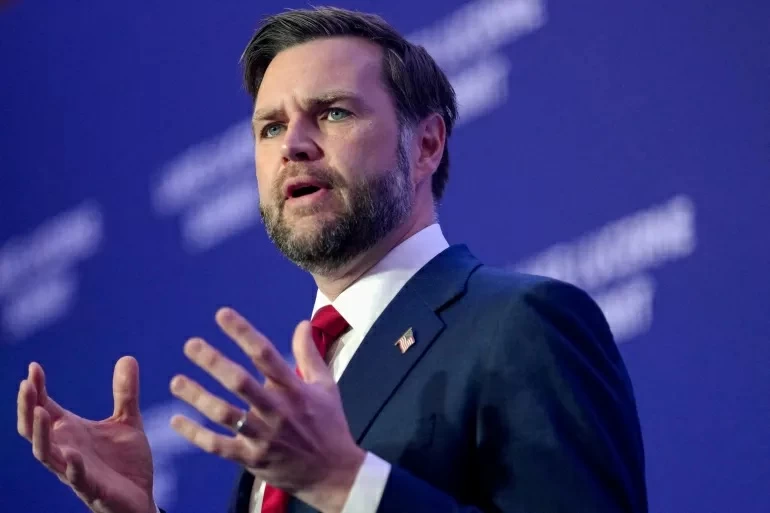
ونقلت صحيفة «وول ستريت جورنال» عن المصادر تأكيدها انسحاب الوفد الإيراني المفاوض من المباحثات المباشرة بعد أن برر نائب الرئيس جي دي فانس تصريحات ترمب على أنها توضيح لما قد يحدث إذا انتهكت طهران الاتفاق.
ودافع فانس عن ترمب علناً، قائلاً إن التدوينة جاءت رداً على «التراشق اللفظي» الإيراني من أجل «تصحيح السجلات»، دون الخوض في التفاصيل.
وأفاد مسؤول أمريكي بأن فانس ضغط من أجل أخذ استراحة من المحادثات لمنح الإيرانيين وقتاً للنظر في المقترحات، نافياً أن يكون لمنشور ترمب أي علاقة بذلك.
وذكرت أن رئيس الوفد الإيراني محمد باقر قاليباف، أبلغ فانس بهدوء أن تهديدات رئيسه تشكل خرقاً للفقرة الافتتاحية من مذكرة التفاهم التي وُقعت إلكترونياً بين واشنطن وطهران قبل أيام قليلة، والتي تنص على عدم إقدام أي من الطرفين على مهاجمة الطرف الآخر.
وهذه ليست المرة الأولى التي تصبح فيها منشورات ترمب على وسائل التواصل الاجتماعي عاملاً مربكاً للمسار الدبلوماسي بين واشنطن وطهران، فقد حذّر الوسطاء مراراً من أن تدوينات الرئيس تهدّد الجهود المبذولة لإبرام اتفاق، كما حاولوا إقناع إيران بتجاهل ما يقوله علناً والتركيز على ما يقوله مفاوضوه في الجلسات المغلقة.
وذكرت الصحيفة أن أسلوب ترمب التفاوضي غير المألوف دفع المفاوضين الإيرانيين إلى قراءة كتابه «فن الصفقة»، الذي أصدره عام 1987 بالاشتراك مع الصحفي توني شوارتز، بشأن تكتيكات الرئيس التفاوضية بوصفه أحد أقطاب العقارات.
وينصح ترمب في كتابه المفاوضين باستخدام مطالب قاسية وغير متوقعة لإثارة القلق وإجبار الخصوم على تقديم تنازلات.
ونقل وسطاء أن المفاوضين الإيرانيين أبلغوهم بأنهم استعانوا بفريق من علماء النفس لفهم عقلية ترمب، في حين نفى مصدر مطلع وجود أي علماء نفس ضمن وفد إيران التفاوضي، مؤكداً أن طهران تركز على الحقائق بعيداً عن التكهنات النفسية.
ومن المتوقع أن تكشف الأيام القادمة مدى نجاح أو فشل أسلوب ترمب التفاوضي مع إيران بشأن القضايا الحاسمة التي تشكل نقاط خلاف بين الطرفين، بما في ذلك معضلة مضيق هرمز والبرنامج النووي والصواريخ الباليستية، والأموال المجمدة.
Informed sources revealed that the Switzerland talks were on the verge of collapse after U.S. President Donald Trump's threats to resume attacks on Iran if it could not curb Hezbollah's capabilities in Lebanon.
The Wall Street Journal reported that the sources confirmed the Iranian negotiating delegation withdrew from direct talks after Vice President J.D. Vance justified Trump's statements as a clarification of what could happen if Tehran violated the agreement.
Vance publicly defended Trump, stating that the tweet was a response to Iranian "verbal sparring" to "set the record straight," without going into details.
An American official reported that Vance pushed for a break from the talks to give the Iranians time to consider the proposals, denying that Trump's post had any relation to that.
It was noted that the head of the Iranian delegation, Mohammad Baqer Qalibaf, calmly informed Vance that his president's threats constituted a violation of the opening paragraph of the memorandum of understanding that was electronically signed between Washington and Tehran a few days earlier, which stipulates that neither party should attack the other.
This is not the first time Trump's social media posts have become a confusing factor in the diplomatic path between Washington and Tehran, as intermediaries have repeatedly warned that the president's tweets threaten efforts to reach an agreement, and they have tried to convince Iran to ignore what he says publicly and focus on what its negotiators say in closed sessions.
The newspaper reported that Trump's unconventional negotiating style led Iranian negotiators to read his book "The Art of the Deal," published in 1987 in collaboration with journalist Tony Schwartz, regarding the president's negotiating tactics as a real estate mogul.
In his book, Trump advises negotiators to use tough and unexpected demands to create anxiety and force opponents to make concessions.
Intermediaries reported that Iranian negotiators informed them that they had enlisted a team of psychologists to understand Trump's mindset, while a knowledgeable source denied the presence of any psychologists within the Iranian negotiating delegation, emphasizing that Tehran focuses on facts rather than psychological speculation.
The coming days are expected to reveal the success or failure of Trump's negotiating style with Iran regarding critical issues that form points of contention between the two sides, including the Strait of Hormuz dilemma, the nuclear program, ballistic missiles, and frozen funds.