أعلنت باكستان أن المفاوضات التقنية على مستوى الخبراء بين أمريكا وإيران ستستأنف بوساطة باكستانية - قطرية الأسبوع القادم.
وأوضح متحدث باسم الخارجية الباكستانية في مؤتمر صحفي، اليوم (الأربعاء)، أن محادثات المستوى التقني مستمرة بين الجانبين رغم أخذ المشاركين استراحة من حين لآخر.
وأكد أن بلاده تجري اتصالات مع الفريقين الأمريكي والإيراني لتنفيذ فعال لمذكرة التفاهم التي وقعت في 18 يونيو بين الرئيس الأمريكي دونالد ترمب ونظيره الإيراني مسعود بزشكيان. ولفت إلى أن الاتفاق الأولي نص على خط تواصل مباشر بين الجانبين الأمريكي والإيراني لتفادي المشاكل.
من جانبه، اعتبر رئيس البرلمان الإيراني محمد باقر قاليباف أن وقف إطلاق النار وإنهاء الحرب في لبنان «لا يقل أهمية عن وقف إطلاق النار وإنهاء الحرب على إيران».
فيما أكد رئيس الوزراء القطري الشيخ محمد بن عبدالرحمن، أن إنشاء خط ساخن بين الولايات المتحدة وإيران ضروري لمنع الجهات الخارجة عن القانون من عرقلة إعادة فتح مضيق هرمز، متوقعاً أن تستأنف الدوحة إنتاج الغاز الطبيعي المسال بوتيرة طبيعية، في غضون أسابيع قليلة.
وأضاف في تصريحات لصحيفة «فاينانشيال تايمز» نشرت الأربعاء، أن الخط الساخن الذي اتفقت عليه الأطراف في محادثات سويسرا «ضروري لمواجهة التضليل، وضمان التنسيق أثناء إزالة الألغام من الممر المائي الحيوي».
وكان رئيس الوزراء الباكستاني شهباز شريف شدد أمس (الثلاثاء) على أن بلاده ستواصل جهودها الدبلوماسية حتى الوصول إلى سلام دائم في المنطقة، مؤكداً أهمية الحوار والتفاوض في معالجة الأزمات الإقليمية.
وأعرب عن أمله في أن تفضي المفاوضات الفنية الجارية بين طهران وواشنطن إلى اتفاق مستدام يعزز الاستقرار الإقليمي.
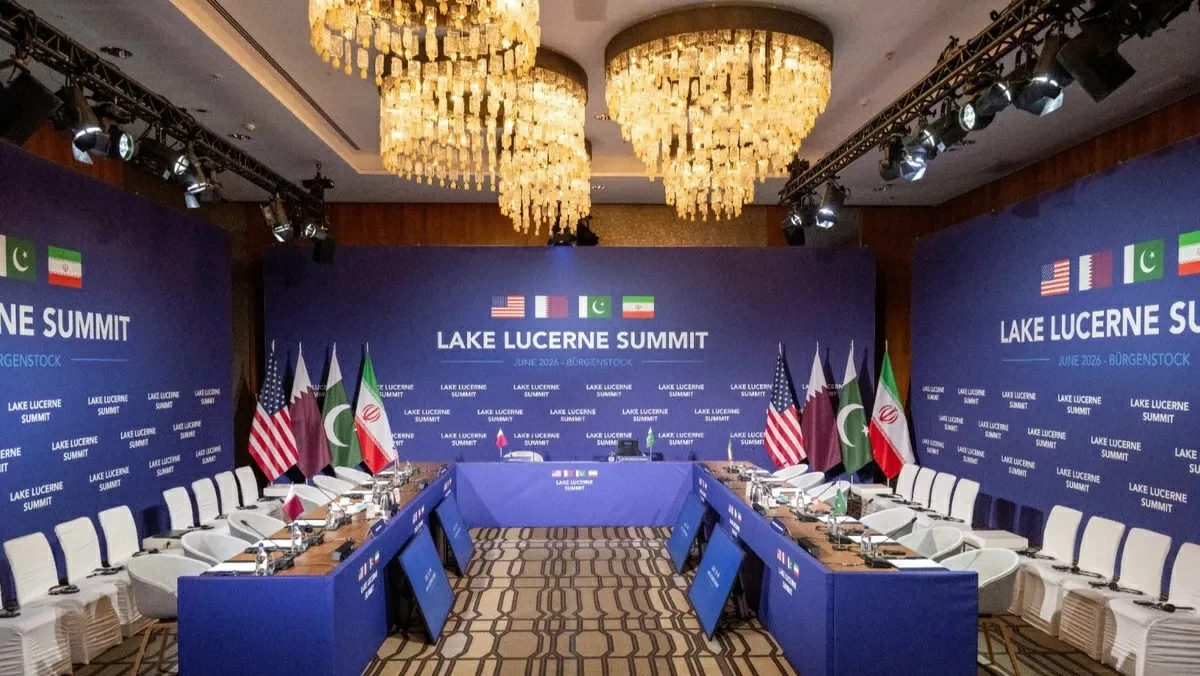
وعقدت أمريكا وإيران محادثات مطولة في سويسرا ليل الأحد الإثنين بحضور الوسيطين القطري والباكستاني، ووصف الطرفان الأجواء بأنها كانت إيجابية وأن المحادثات حققت تقدما، عقب أيام قليلة من توقيع مذكرة التفاهم.
واتفق المجتمعون في سويسرا على إنشاء لجان عمل من أجل متابعة ملفات العقوبات الأمريكية على طهران والإفراج عن الأموال الإيرانية المجمدة في الخارج، فضلا عن مضيق هرمز، وملف لبنان.
Pakistan announced that technical negotiations at the expert level between the United States and Iran will resume next week with Pakistani-Qatari mediation.
A spokesperson for the Pakistani Foreign Ministry clarified at a press conference today (Wednesday) that technical talks are ongoing between the two sides, despite participants taking breaks from time to time.
He confirmed that his country is in contact with both the American and Iranian teams for the effective implementation of the memorandum of understanding signed on June 18 between U.S. President Donald Trump and his Iranian counterpart Masoud Bezhakian. He noted that the initial agreement stipulated a direct communication line between the American and Iranian sides to avoid problems.
For his part, Iranian Parliament Speaker Mohammad Baqer Qalibaf considered that a ceasefire and ending the war in Lebanon "is no less important than a ceasefire and ending the war on Iran."
Meanwhile, Qatari Prime Minister Sheikh Mohammed bin Abdulrahman confirmed that establishing a hotline between the United States and Iran is essential to prevent rogue elements from obstructing the reopening of the Strait of Hormuz, expecting that Doha will resume liquefied natural gas production at a normal pace within a few weeks.
In statements to the "Financial Times" published on Wednesday, he added that the hotline agreed upon by the parties in the Switzerland talks "is necessary to counter misinformation and ensure coordination during the demining of the vital waterway."
Pakistani Prime Minister Shahbaz Sharif emphasized yesterday (Tuesday) that his country will continue its diplomatic efforts until achieving lasting peace in the region, affirming the importance of dialogue and negotiation in addressing regional crises.
He expressed hope that the ongoing technical negotiations between Tehran and Washington would lead to a sustainable agreement that enhances regional stability.
The U.S. and Iran held extensive talks in Switzerland late Sunday into Monday with the presence of Qatari and Pakistani mediators, with both sides describing the atmosphere as positive and that the talks made progress, just days after signing the memorandum of understanding.
The participants in Switzerland agreed to establish working committees to follow up on the issues of U.S. sanctions on Tehran, the release of Iranian funds frozen abroad, as well as the Strait of Hormuz and the Lebanon file.