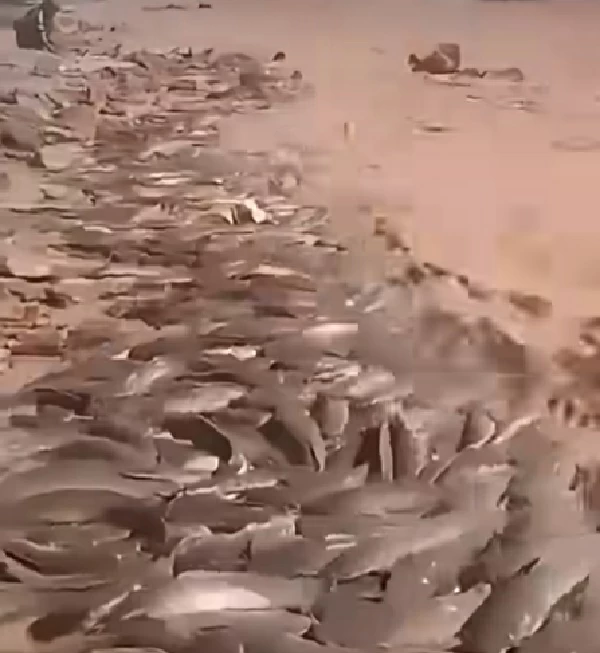
أثار مقطع مصوَّر من ولاية إليزي (جنوبي الجزائر) موجة واسعة من الدهشة، بعدما ظهر فيه عدد كبير من أسماك (السلور) تطفو عند حواف وادٍ جاف في قلب الصحراء، في مشهدٍ غير مألوف شغل مواقع التواصل خلال اليومين الماضيين.
وجرى تصوير الفيديو بعد ساعات من أمطار غزيرة ضربت المناطق الجنوبية، ما أدى إلى تدفّق السيول في الأودية الجافة وتحويلها إلى مجارٍ مائية مؤقتة. وقد عبّر كثيرون عن استغرابهم من تجمع هذا الكم من الأسماك في منطقة تُعرف بندرة المياه وارتفاع درجات الحرارة.
وأوضح أحد خبراء البيئة الصحراوية أن ظهور أسماك السلور في هذه المناطق قد يبدو غريبًا للوهلة الأولى، لكنه يرتبط بطبيعة النظام البيئي الصحراوي الذي يتغيّر بسرعة مع الأمطار المفاجئة. وأضاف أن سمك السلور الإفريقي (كلارياس جارييبينوس) موجود بالفعل في بعض مناطق الجنوب، سواء في البيئات الطبيعية أو في نشاط تربية الأسماك.
وأشار الخبير إلى قدرة هذا النوع على تحمّل الظروف القاسية، ما يجعله قادرًا على البقاء في مسطحات مائية تتعرض للجفاف وارتفاع الحرارة. أما الجانب الأكثر غرابة في الظاهرة، فهو مشاهدة أسراب كاملة في أماكن تبدو شديدة الجفاف، وليس وجود السلور بحد ذاته، إذ سبق تسجيل حالات مشابهة بعد سيول نقلت الأسماك من بحيرات وأودية مجاورة.
وأكد أن ظهور هذه الأسماك لا يعني بالضرورة وجود بحيرات دائمة أو شبكات مائية جوفية غير مكتشفة، ولا يمكن اعتباره دليلًا مباشرًا على تغير مناخي كبير، فالأمطار الاستثنائية في الصحراء قادرة على خلق مجارٍ مائية مؤقتة تنقل الأسماك لمسافات بعيدة.
ورغم ذلك، شدّد الباحث على أهمية الظاهرة علميًا، لأنها تكشف عن مرونة النظم البيئية الصحراوية، وتدفع إلى دراسة العلاقة بين الأمطار المفاجئة والسيول والمياه الجوفية والأنواع المائية التي تعيش في الجنوب، حيث أظهرت دراسات حديثة أن بعض المسطحات الصحراوية قد تمتلئ بشكل نادر بعد أحداث مطرية قوية قبل أن تعود تدريجيًا إلى الجفاف.
A video clip from the El Oued province (southern Algeria) has sparked widespread astonishment, as it shows a large number of catfish floating at the edges of a dry wadi in the heart of the desert, in an unusual scene that has occupied social media over the past two days.
The video was filmed just hours after heavy rains hit the southern regions, leading to the flow of torrents in the dry wadis and transforming them into temporary waterways. Many expressed their astonishment at the gathering of such a large number of fish in an area known for its water scarcity and high temperatures.
One expert in desert ecology explained that the appearance of catfish in these areas may seem strange at first glance, but it is related to the nature of the desert ecosystem, which changes rapidly with sudden rains. He added that the African catfish (Clarias gariepinus) is indeed present in some southern areas, whether in natural environments or in fish farming activities.
The expert pointed out the ability of this species to withstand harsh conditions, making it capable of surviving in water bodies that are subject to drying and high temperatures. The most peculiar aspect of the phenomenon is seeing entire schools of fish in places that appear extremely dry, rather than the mere presence of catfish itself, as similar cases have been recorded after floods transported fish from nearby lakes and wadis.
He confirmed that the appearance of these fish does not necessarily indicate the existence of permanent lakes or undiscovered groundwater networks, nor can it be considered direct evidence of significant climate change, as exceptional rains in the desert can create temporary waterways that transport fish over long distances.
Nevertheless, the researcher emphasized the scientific importance of the phenomenon, as it reveals the resilience of desert ecosystems and encourages the study of the relationship between sudden rains, floods, groundwater, and aquatic species living in the south, where recent studies have shown that some desert water bodies may fill up rarely after strong rainfall events before gradually returning to dryness.