


حذّر اختصاصي الأمراض الباطنية الدكتور شوتا كالانديا من اعتبار انخفاض الحرارة بعد تناول خافض لها دليلاً على التعافي من الإنفلونزا، موضحاً أن الدواء يخفف الأعراض، بينما قد تستمر العدوى وإمكانية نقل الفيروس إلى الآخرين.
وقال إن العودة المبكرة إلى العمل قد ترهق المصاب، خصوصاً إذا كان يعاني مرضاً في القلب أو الرئة. فالحمى ترفع معدل ضربات القلب والتنفس، ويزيد التعرق مع قلة شرب السوائل احتمال الإصابة بالجفاف والدوار. وقد تؤدي الإنفلونزا إلى مضاعفات، بينها الالتهاب الرئوي وتفاقم الأمراض المزمنة، وفي حالات نادرة التهاب عضلة القلب.
وشدد على طلب الرعاية الطبية فوراً عند حدوث ضيق في التنفس، أو ألم أو ضغط مستمر في الصدر، أو تشوش ذهني، أو ضعف مفاجئ، أو قلة التبول. وتستدعي عودة الحمى أو اشتداد السعال بعد تحسنهما تقييماً طبياً، خصوصاً إذا تدهورت الحالة العامة.
ودعا المصابين إلى البقاء في المنزل والحد من مخالطة الآخرين، مع الحصول على الراحة وشرب السوائل. وأشار إلى أن العمل عن بُعد قد يرهق المريض أيضاً، إذ يمكن أن يؤثر الصداع وآلام الجسم والتعب وقلة النوم في قدرته على التركيز والتعافي.
وحذّر من تناول أكثر من دواء للبرد والإنفلونزا في الوقت نفسه دون مراجعة مكوناتها، لاحتمال احتوائها على المادة الفعالة نفسها، مثل الباراسيتامول، وتجاوز الجرعة الموصى بها.
وأوضح أن العودة إلى الأنشطة المعتادة تكون تدريجياً بعد تحسن الأعراض عموماً، ومرور 24 ساعة على الأقل دون حمى ودون استخدام خافضات الحرارة؛ فهذا الحد الأدنى للعودة، وليس دليلاً على الشفاء التام.
الإنفلونزا مستمرة رغم انخفاض الحرارة.. طبيب يحذّر من العودة المبكرة للعمل
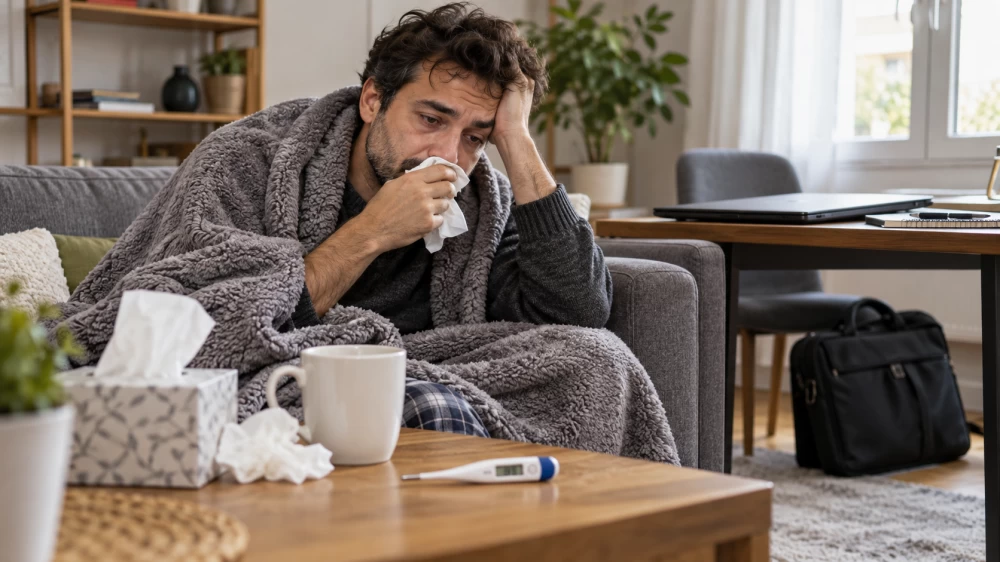


Internal medicine specialist Dr. Shota Kalandiya warned against considering a drop in temperature after taking a fever reducer as evidence of recovery from influenza, explaining that the medication alleviates symptoms, while the infection and the possibility of transmitting the virus to others may continue.
He stated that an early return to work may exhaust the patient, especially if they have heart or lung disease. Fever increases heart rate and breathing, and sweating combined with insufficient fluid intake raises the risk of dehydration and dizziness. Influenza can lead to complications, including pneumonia and exacerbation of chronic diseases, and in rare cases, myocarditis.
He emphasized the need to seek medical attention immediately if experiencing shortness of breath, persistent chest pain or pressure, confusion, sudden weakness, or decreased urination. The return of fever or worsening cough after improvement requires medical evaluation, especially if the overall condition deteriorates.
He urged those infected to stay at home and limit contact with others, while ensuring rest and hydration. He noted that remote work can also exhaust the patient, as headaches, body aches, fatigue, and lack of sleep can affect their ability to concentrate and recover.
He warned against taking more than one cold and flu medication at the same time without reviewing their ingredients, as they may contain the same active ingredient, such as paracetamol, leading to exceeding the recommended dosage.
He clarified that a return to usual activities should be gradual after symptoms generally improve and at least 24 hours have passed without fever and without the use of antipyretics; this is the minimum requirement for returning, not an indication of complete recovery.


