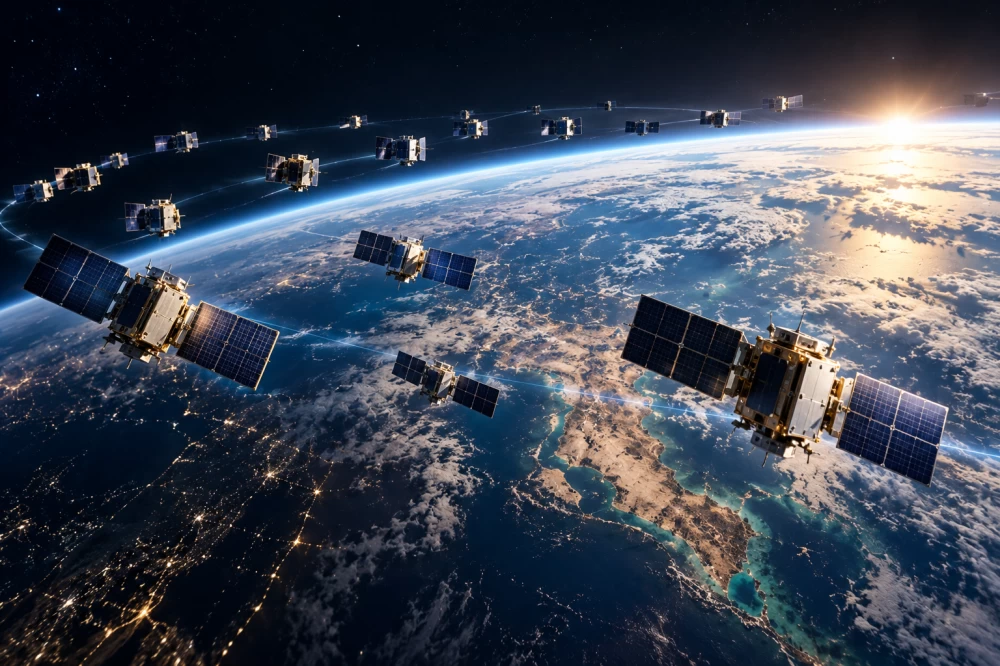
هبط صاروخ «ستارشيب» التابع لشركة «سبيس إكس» الأمريكية في المحيط الهادئ، بعدما وصل إلى مدار الأرض للمرة الأولى اليوم (الثلاثاء)، ونشر 26 قمراً اصطناعياً، في إنجاز بارز ضمن مسار تطوير الصاروخ العملاق المصمم لتنفيذ بعثات مستقبلية إلى القمر والمريخ، بعد ثلاث سنوات من أولى رحلاته التجريبية.
تمكنت «سبيس إكس» خلال هذه الرحلة من الوصول إلى مدار دائري على ارتفاع نحو 275 كيلومتراً فوق سطح الأرض، ما استدعى بلوغ سرعة تقارب 28 ألف كيلومتر في الساعة.
تمثل الأقمار الجديدة توسعة لكوكبة الأقمار الضخمة التابعة للشركة، والمخصصة لتوفير خدمات الإنترنت الفضائي.
انتهت الرحلة في وقت أسرع بكثير من المتوقع، بحسب ما أظهر بث مباشر، حيث وصلت إلى المدار بعد نحو 26 دقيقة من انطلاقها.
هبطت الطبقة العليا من «ستارشيب» في المحيط قبالة سواحل تشيلي، وأعادت تشغيل محركاتها للهبوط على سطح المياه، قبل أن تنفجر بعد انقلاب المركبة على جانبها.
تأمل الشركة أن تدشن التجربة الجديدة «مرحلة جديدة» من تطوير الصاروخ، تشمل خصوصاً إجراء اختبارات لتزويده بالوقود في المدار.
The "Starship" rocket from the American company "SpaceX" landed in the Pacific Ocean after reaching Earth’s orbit for the first time today (Tuesday) and deploying 26 satellites, marking a significant achievement in the development of the giant rocket designed for future missions to the Moon and Mars, following three years of its initial test flights.
During this flight, "SpaceX" managed to reach a circular orbit at an altitude of about 275 kilometers above the Earth's surface, requiring a speed of nearly 28,000 kilometers per hour.
The new satellites represent an expansion of the company’s massive satellite constellation, which is dedicated to providing satellite internet services.
The flight ended much faster than expected, according to a live broadcast, as it reached orbit about 26 minutes after launch.
The upper stage of "Starship" landed in the ocean off the coast of Chile and restarted its engines to land on the water's surface before exploding after the vehicle rolled onto its side.
The company hopes that this new experiment will usher in a "new phase" of rocket development, particularly involving tests for refueling in orbit.