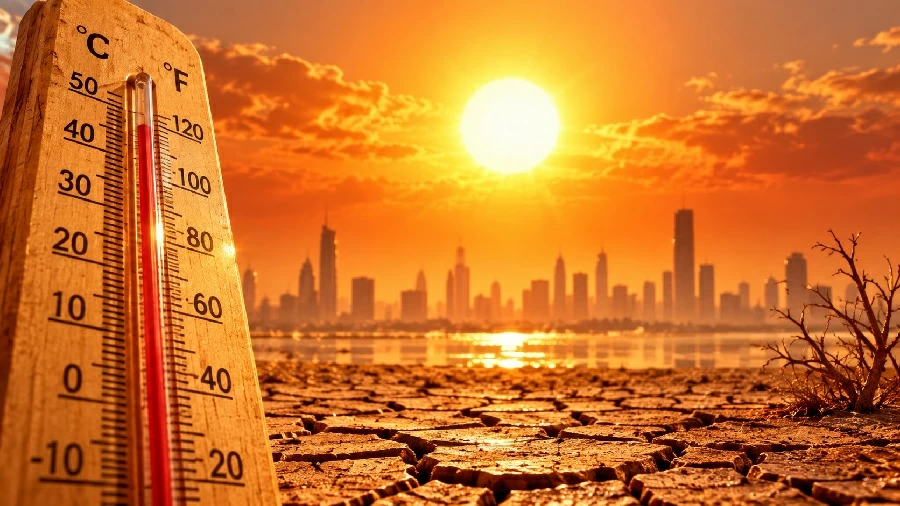
يحذّر علماء المناخ من أن ظاهرة النينيو الحالية قد تتسبب في موجة حر عالمية غير مسبوقة، بعدما سجلت ارتفاعات قياسية في درجات الحرارة قبل بلوغ ذروتها، ما قد يؤدي إلى وفاة نحو 451 ألف شخص إضافي خلال ستة أشهر فقط، وفق تقديرات مختبر تأثير المناخ التي نشرتها صحيفة (الغارديان).
واعتمد الباحثون في حساباتهم نموذجًا يربط بين الحرارة والوفيات في أكثر من 24 ألف منطقة حول العالم، ودمجوا هذه البيانات مع توقعات ارتفاع درجات الحرارة خلال (النينيو)، مقارنة بمعدلات الوفيات المرتبطة بالحرارة بين عامي 1996 و2025.
وتشير النتائج إلى أن دولًا مثل نيجيريا وإندونيسيا والسودان والهند والبرازيل ستكون بين الأكثر تأثرًا، بينما قد تسجل الولايات المتحدة نحو 3.5 ألف وفاة إضافية. وتغطي التقديرات الفترة حتى فبراير 2027 فقط؛ ما يعني أن تأثير الحرارة قد يمتد إلى ما بعد ذلك.
ويؤكد الباحثون أن هذه الأرقام ليست إحصاءات فعلية، لكنها مؤشرات تستدعي اتخاذ تدابير عاجلة لحماية السكان؛ مثل توفير أماكن للتبريد، وتحسين الوصول إلى الرعاية الطبية، وحماية العاملين في الهواء الطلق.
وتُعد (النينيو) ظاهرة طبيعية ترتفع خلالها حرارة مياه المحيط الهادئ الاستوائي بشكل غير معتاد، ما يؤدي إلى تغيّر أنماط الطقس عالميًا. ومع تفاقم الاحتباس الحراري، يصبح أي ارتفاع إضافي في درجات الحرارة عاملًا مضاعفًا للخطر على صحة الإنسان.
Climate scientists warn that the current El Niño phenomenon could cause an unprecedented global heatwave, following record increases in temperatures before reaching its peak, which could lead to the deaths of around 451,000 additional people within just six months, according to estimates from the Climate Impact Lab published by The Guardian.
Researchers based their calculations on a model linking temperature and mortality in over 24,000 regions worldwide, and they combined this data with forecasts of temperature increases during El Niño, compared to heat-related mortality rates between 1996 and 2025.
The results indicate that countries such as Nigeria, Indonesia, Sudan, India, and Brazil will be among the most affected, while the United States may record around 3,500 additional deaths. The estimates cover the period until February 2027 only, meaning that the impact of heat may extend beyond that.
Researchers emphasize that these figures are not actual statistics, but indicators that call for urgent measures to protect populations, such as providing cooling spaces, improving access to medical care, and protecting outdoor workers.
El Niño is a natural phenomenon during which the temperature of the tropical Pacific Ocean rises unusually, leading to changes in global weather patterns. As global warming intensifies, any additional rise in temperatures becomes a compounding risk factor for human health.