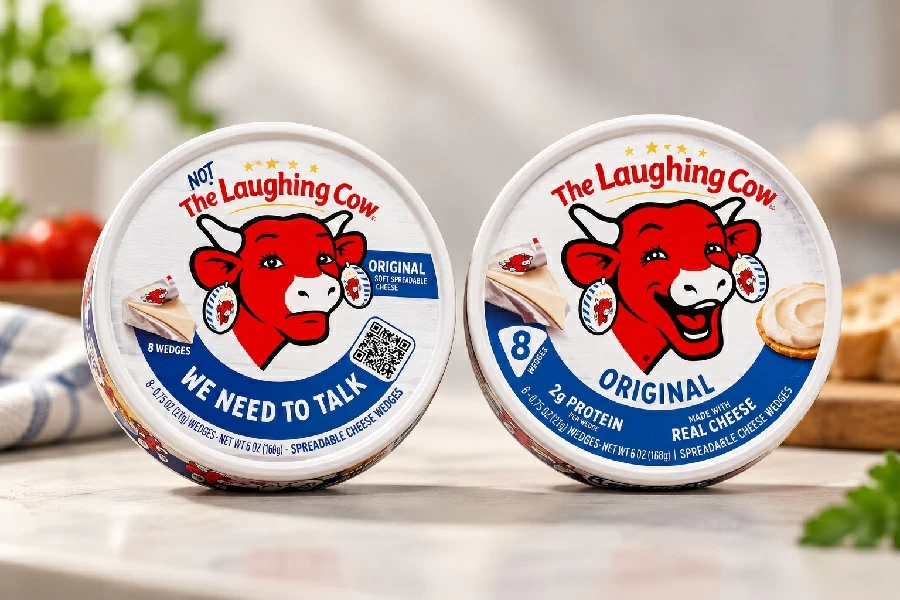
لم يكن من السهل تخيّل (البقرة الضاحكة) من دون ابتسامتها التي التصقت بملامحها لأكثر من قرن، لكن الشخصية الشهيرة ظهرت هذه المرة بوجه مختلف تمامًا، في خطوة تحمل رسالة تتجاوز عبوات الجبن إلى مساحة أكثر حساسية تتعلق بالصحة النفسية.
فللمرة الأولى منذ ظهور العلامة التجارية عام 1921، تخلت البقرة الحمراء عن ابتسامتها المعهودة، وبدت على عبوات (La Vache qui rit) بتعبير جاد، ضمن حملة أطلقتها شركة (Bel Brands) في الولايات المتحدة تحت عنوان «البقرة غير الضاحكة».
وظهرت العبوات الجديدة في أكثر من 4700 متجر أمريكي، حاملة إلى جانب صورة البقرة عبارة «نحتاج إلى التحدث»، إضافة إلى رمز QR يقود إلى موقع إلكتروني مخصص للحملة، في محاولة لتحويل التغيير البصري اللافت إلى مدخل للحديث عن المشاعر والصحة النفسية.
وعلى الموقع، تتخلى الشخصية الكرتونية عن أجواء المرح المعتادة، وتظهر في مشاهد تحمل قدرًا من الوحدة والحزن، من بينها جلوسها بمفردها داخل مطعم أو تأرجحها وحيدة في إحدى الحدائق، لتقدم صورة مختلفة تمامًا عن الشخصية التي اعتاد المستهلكون رؤيتها على مدى أجيال.
وقالت جايمي بيرلشتاين، مديرة التسويق في الشركة بالولايات المتحدة، إن اختيار تغيير ملامح الشخصية جاء انطلاقًا من قوة ارتباط الجمهور بابتسامتها، موضحة أن ظهورها بصورة غير مألوفة يلفت الانتباه إلى الرسالة التي تقف وراء الحملة.
وأشارت إلى أن «(البقرة الضاحكة) ارتبطت على مدى أكثر من 100 عام بفكرة التعامل مع الحياة بخفة وعدم أخذها بجدية مفرطة، لذلك فإن التخلي المؤقت عن ابتسامتها يمثل دعوة للتوقف قليلًا والانتباه إلى ما قد يختبئ خلف المظاهر المرحة».
ولم تكشف الشركة بشكل مباشر عن المناسبة التي تقف وراء إطلاق الحملة، إلا أن توقيتها دفع خبراء في التسويق إلى ربطها باليوم العالمي للصحة النفسية، الذي يصادف 10 أكتوبر من كل عام.
وتبدو الرسالة أوضح من خلال تفاصيل الحملة نفسها؛ فالبقرة التي اعتاد الجمهور رؤيتها مبتسمة تظهر هذه المرة صامتة وجادة، فيما تدعو العبارة المرافقة «نحتاج إلى التحدث» إلى عدم كتمان المشاعر، وفتح مساحة للحوار حول الصحة النفسية بدلًا من الاكتفاء بإخفاء ما يشعر به الإنسان خلف ابتسامة مصطنعة.
ويرى متخصصون في التسويق أن العبث بعنصر راسخ في الهوية البصرية للعلامة التجارية، كابتسامة الشخصية الأشهر فيها، يمكن أن يكون وسيلة فعالة لجذب الانتباه وإثارة الفضول، خصوصًا عندما يكون التغيير مفاجئًا إلى درجة تدفع المستهلك إلى التساؤل: لماذا لم تعد «البقرة الضاحكة» تضحك؟
وهكذا، تحولت ابتسامة كانت مجرد علامة تجارية مألوفة إلى أداة لفتح نقاش مختلف؛ فهذه المرة لا تبدو البقرة وكأنها تبيع الجبن فقط، بل تترك على العبوة سؤالًا أكثر إنسانية: ماذا يحدث عندما يخفي الشخص حزنه خلف ابتسامة اعتاد الجميع رؤيتها؟
It was not easy to imagine (the Laughing Cow) without its smile that has been attached to its features for over a century, but this famous character appeared this time with a completely different face, in a move that carries a message that goes beyond cheese packaging to a more sensitive area related to mental health.
For the first time since the brand's inception in 1921, the red cow has abandoned its familiar smile, appearing on (La Vache qui rit) packaging with a serious expression, as part of a campaign launched by (Bel Brands) in the United States titled "The Not Laughing Cow."
The new packaging appeared in over 4,700 American stores, carrying alongside the image of the cow the phrase "We need to talk," in addition to a QR code that leads to a dedicated website for the campaign, in an attempt to transform the striking visual change into an entry point for discussing feelings and mental health.
On the website, the cartoon character abandons its usual cheerful atmosphere, appearing in scenes that convey a sense of loneliness and sadness, including sitting alone in a restaurant or swinging alone in a park, presenting a completely different image from the character that consumers have been accustomed to seeing for generations.
Jamie Perlstein, the marketing director for the company in the United States, stated that the choice to change the character's features stemmed from the strong connection the audience has with its smile, explaining that its unfamiliar appearance draws attention to the message behind the campaign.
She noted that "(the Laughing Cow) has been associated for over 100 years with the idea of approaching life lightly and not taking it too seriously, so temporarily abandoning its smile represents a call to pause and pay attention to what may be hidden behind cheerful appearances."
The company did not directly reveal the occasion behind launching the campaign, but its timing led marketing experts to link it to World Mental Health Day, which falls on October 10 each year.
The message becomes clearer through the details of the campaign itself; the cow that the public is used to seeing smiling appears this time silent and serious, while the accompanying phrase "We need to talk" encourages not to suppress feelings and to open a space for dialogue about mental health instead of merely hiding what one feels behind a forced smile.
Marketing specialists believe that tampering with an established element in the visual identity of the brand, such as the smile of its most famous character, can be an effective way to attract attention and spark curiosity, especially when the change is surprising enough to make the consumer wonder: why is the "Laughing Cow" no longer laughing?
Thus, a smile that was merely a familiar trademark has transformed into a tool for opening a different discussion; this time, the cow does not seem to be selling cheese alone, but leaves on the packaging a more human question: what happens when a person hides their sadness behind a smile that everyone is used to seeing?