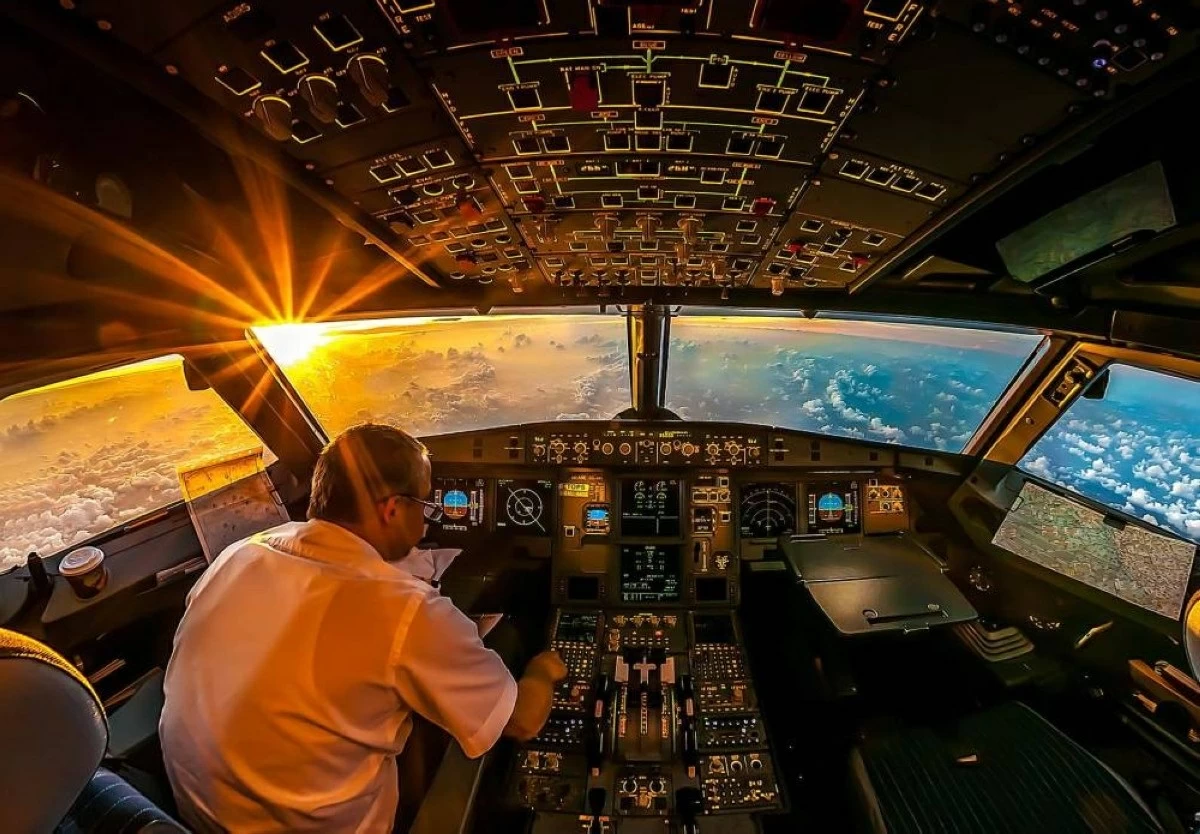
على ارتفاع 35 ألف قدم، وبينما يستمتع ركاب الطائرات بالإطلالة من النوافذ، يواجه الطيارون وأفراد طواقم الضيافة خفيةً خطراً غير مرئي لكنه متواصل: الإشعاع الكوني (Cosmic Radiation) الذي يتسلل إلى أجسادهم طوال ساعات الطيران.
كشفت دراسة أمريكية حديثة ونوعية نُشرت في مجلة JAMA Internal Medicine أن العاملين في قطاع الطيران هم الأكثر عرضة للوفاة بسرطانات مرتبطة بالإشعاع، متصدرين القائمة ومتقدمين على أكثر من 500 مهنة مختلفة في الولايات المتحدة.
وتعتمد حماية الإنسان من الإشعاعات الفضائية على سمك الغلاف الجوي، ولكن كلما ارتفعت الطائرة، رَقّت هذه الدرع الواقية:
- جرعة مضاعفة: يتعرض أفراد أطقم الطيران سنوياً لما بين 3 إلى 6 ملي سيفرت من الجسيمات عالية الطاقة الآتية من الشمس وأعماق الفضاء.
- المرتبة الأولى والثانية: سجل أفراد الضيافة الجوية أعلى نسبة وفيات بالسرطانات المرتبطة بالإشعاع بنسبة 6.9%، تلاهم الطيارون مباشرة بنسبة 6.7%.
- الخطر التراكمي: القضية لا تتعلق برحلة واحدة، بل بالسنوات الطويلة من الطيران اليومي والتعرض المستمر على ارتفاعات شاهقة.
وأكد الخبراء أن الركاب والمسافرين الموسميين لا يواجهون أي خطر يُذكر، لأن التأثير يتطلب آلاف ساعات الطيران التراكمية.
وتدفع هذه النتائج الصادمة الهيئات الدولية لمطالبة شركات الطيران بإجراءات وقائية جديدة، تشمل تتبع جرعات الإشعاع اليومية لكل طيار وتنظيم جداول الرحلات، لحماية أجساد من يحملون أرواحنا في الأعالي.
At an altitude of 35,000 feet, while passengers enjoy the view from the windows, pilots and crew members secretly face an invisible but ongoing danger: cosmic radiation that seeps into their bodies throughout the hours of flight.
A recent and qualitative American study published in JAMA Internal Medicine revealed that aviation workers are the most susceptible to dying from radiation-related cancers, topping the list ahead of more than 500 different professions in the United States.
Protection from space radiation depends on the thickness of the atmosphere, but the higher the aircraft, the thinner this protective shield becomes:
- Double dose: Flight crew members are exposed annually to between 3 to 6 milliSieverts of high-energy particles coming from the sun and the depths of space.
- First and second place: Flight attendants recorded the highest cancer-related mortality rate at 6.9%, followed closely by pilots at 6.7%.
- Cumulative risk: The issue is not about a single flight, but rather about the long years of daily flying and continuous exposure at high altitudes.
Experts confirmed that passengers and seasonal travelers do not face any significant risk, as the effect requires thousands of cumulative flight hours.
These shocking results are prompting international bodies to urge airlines to implement new preventive measures, including tracking daily radiation doses for each pilot and organizing flight schedules, to protect the bodies of those who carry our lives in the skies.