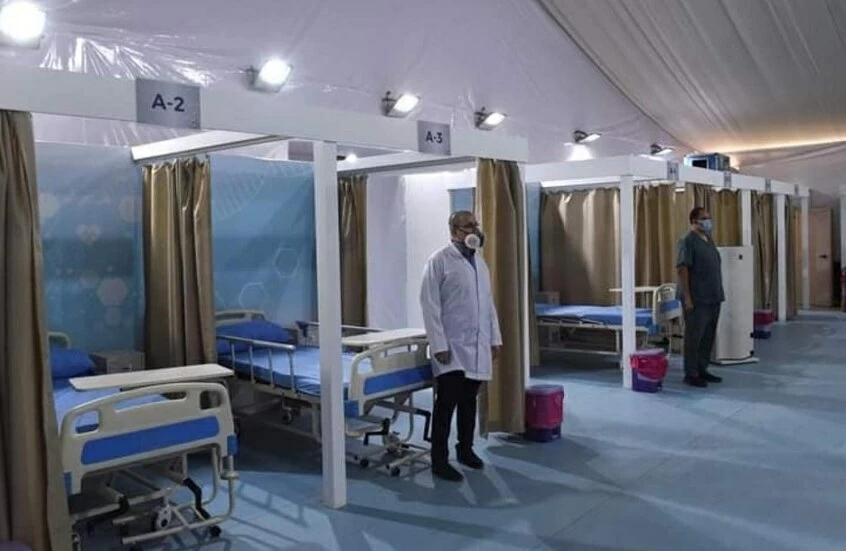
في مقترح يفوق الخيال وأثار موجة عارمة من الجدل والاندهاش في الأوساط الطبية والشارع العربي، خرج طبيب بمبادرة غير مسبوقة تدعو للجوء إلى «الأطباء البيطريين» وتأهيلهم لممارسة الطب البشري، كحل سريعي وجريء للأزمة الخانقة التي تواجه القطاع الصحي.
وتعود التفاصيل إلى تصريحات فجّرها الدكتور شهاب الدين عبد الحميد، رئيس جمعية الرفق بالحيوان بالقاهرة، مستنداً إلى وجود تشابه مخفي ومفاجئ في المناهج العلمية يصل إلى 50% بين ما يدرسه طالب الطب البشري ونظيره البيطري. وطرح فكرة إخضاع البيطريين لبرنامج مكثف لمدة عام أو عامين لاستكمال بقية المواد، مما يتيح لهم رسمياً علاج البشر وسد الفجوة الناجمة عن النزيف المستمر وهجرة نحو 40% من الأطباء البشريين خارج مصر، في مقابل وجود فائض عددي لدى البيطريين.
هذا المقترح الصادم لم يمر مرور الكرام، إذ سارعت نقابة الأطباء المصريين للرد بشكل حاسم، موضحة أن الأزمة الحقيقية لا تكمن في سد الفراغ بالأعداد فقط، بل في معاناة المنظومة من «عجز نوعي حرج» يتركز في تخصصات دقيقة لا تحتمل الخطأ مثل التخدير وجراحة المخ والأعصاب، مشددة على أن علاج البشر يحتاج إلى سنوات من الممارسة والتخصص الدقيق ولا يمكن اختزاله في دورات تكميلية.
In a proposal that exceeds imagination and has sparked a wave of intense debate and astonishment in medical circles and the Arab street, a doctor has come forward with an unprecedented initiative calling for the recruitment of "veterinarians" and their training to practice human medicine as a quick and bold solution to the suffocating crisis facing the healthcare sector.
The details stem from statements made by Dr. Shahab al-Din Abdel Hamid, head of the Animal Welfare Association in Cairo, who cited a hidden and surprising similarity in scientific curricula that reaches up to 50% between what a human medicine student studies and their veterinary counterpart. He proposed subjecting veterinarians to an intensive program for one or two years to complete the remaining subjects, which would officially allow them to treat humans and fill the gap caused by the continuous exodus of about 40% of human doctors outside Egypt, in contrast to the surplus number of veterinarians.
This shocking proposal did not go unnoticed, as the Egyptian Medical Syndicate quickly responded decisively, clarifying that the real crisis does not lie merely in filling the gap in numbers, but in the system's struggle with a "critical qualitative shortage" concentrated in precise specialties that cannot afford mistakes, such as anesthesia and neurosurgery. They emphasized that treating humans requires years of practice and precise specialization and cannot be condensed into supplementary courses.