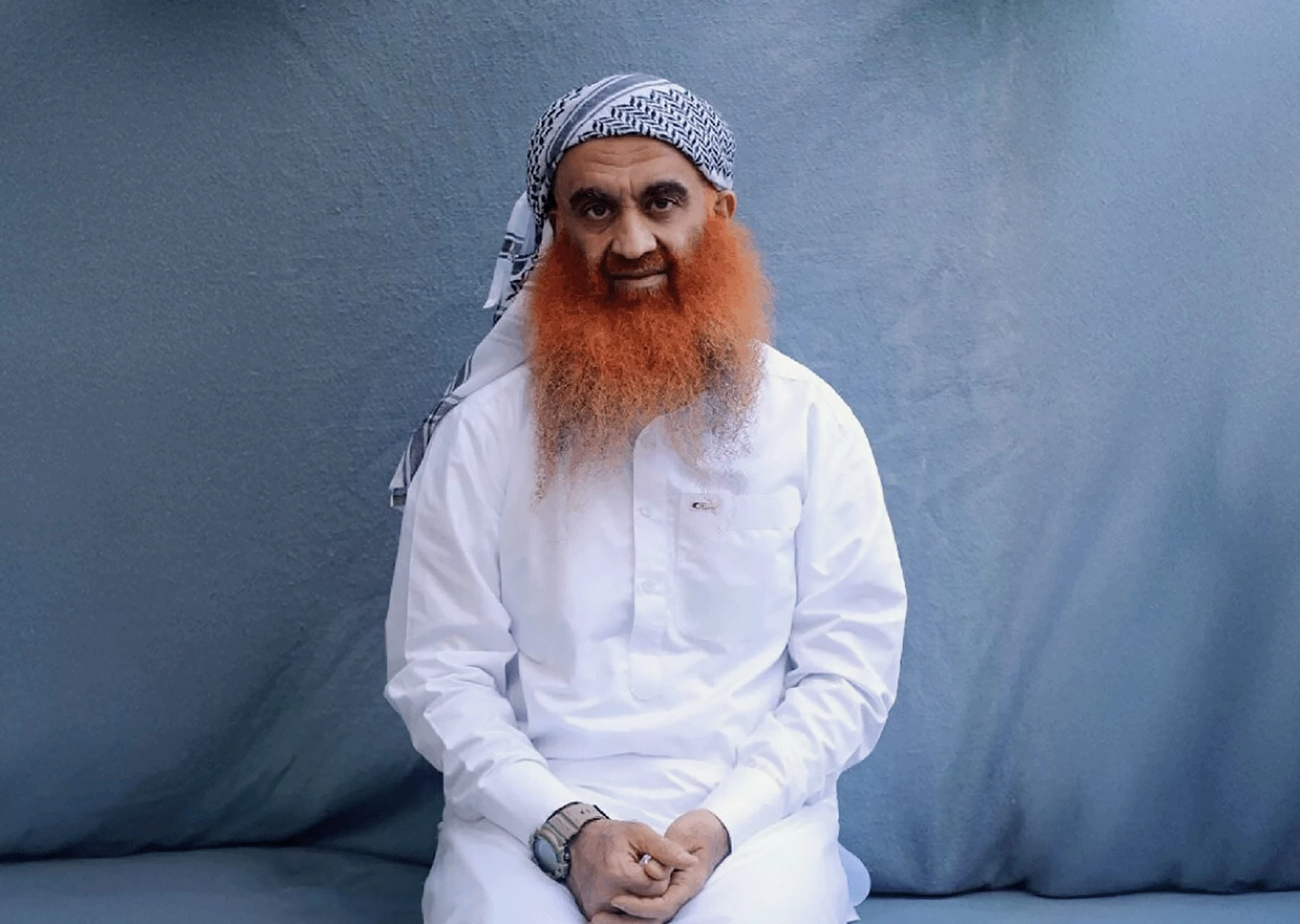
بعد نحو ربع قرن على هجمات 11 سبتمبر، تلقت القضية المرفوعة ضد العقل المدبر للعملية خالد شيخ محمد، ضربة قانونية. وقضى قاضٍ عسكري أمريكي بعدم قبول اعترافاته أمام عملاء مكتب التحقيقات الفيدرالي كأدلة ضده في المحاكمة المرتقبة، بحسب ما نقلت صحيفة «نيويورك تايمز».
ظروف الاحتجاز والاستجواب
وقضى اللفتنانت كولونيل مايكل شراما بأن الادعاء لم يثبت أن الإفادات التي أدلى بها أمام عملاء «إف بي آي» كانت طوعية، معتبرًا أن ظروف احتجازه واستجوابه السابقة أثرت في تلك الاعترافات.
واعتقل خالد شيخ عام 2003، واحتجز في سجون سرية تابعة لوكالة الاستخبارات المركزية الأمريكية، وتعرض لأساليب استجواب شملت الإيهام بالغرق.
واستبعد الادعاء الإفادات التي أدلى بها خلال فترة احتجازه لدى الوكالة، والتي تضمنت 183 جولة من الإيهام بالغرق.
لكن القاضي ذهب إلى أبعد من ذلك، وخلص إلى أن الاستجوابات اللاحقة التي خضع لها خالد شيخ في خليج غوانتانامو عام 2007 لا يمكن قبولها أيضًا.
واستند القرار إلى استمرار آثار ما وصفه القاضي بالإكراه الشديد الذي تعرض له محمد خلال احتجازه لدى وكالة الاستخبارات المركزية.
سنوات طويلة من الإجراءات القانونية
وخلص إلى أن عملاء «إف بي آي» تعمدوا عدم إبلاغه بشكل صريح بحقه في التزام الصمت والاستعانة بمحامٍ، أو بأن ما يقوله يمكن استخدامه ضده في المحاكمة.
ودفع محامو الدفاع بأن خالد شيخ خضع لعملية تكييف نفسي نتيجة التعذيب والاحتجاز والعزل، وأن ذلك جعله مستعدًا لاحقًا للإدلاء بإفادات أمام المحققين.
وبموجب الحكم، لا يجوز للادعاء استخدام تلك الاعترافات في القضية. وتعود قضية خالد شيخ محمد إلى سنوات طويلة من الإجراءات القانونية التي أخرت المحاكمة مرارًا.
وتتهم السلطات الأمريكية خالد شيخ بالتخطيط لعمليات اختطاف الطائرات التي أسفرت عن مقتل نحو 3 آلاف شخص في نيويورك وواشنطن وبنسلفانيا في 11 سبتمبر 2001. ومن المقرر أن تبدأ محاكمته، إلى جانب ثلاثة متهمين آخرين، في 5 يونيو 2028 بقاعدة خليج غوانتانامو في كوبا.
ولا يمثل حكم القاضي نهاية القضية، إذ لا يزال أمام الادعاء إمكانية استئناف القرار في محاولة لإعادة الاعترافات إلى قائمة الأدلة التي يمكن استخدامها خلال المحاكمة.
ويأتي الحكم قبل الذكرى الخامسة والعشرين لهجمات 11 سبتمبر، بينما لا يزال أقارب الضحايا والناجون ينتظرون حسم القضية التي ظلت عالقة في إجراءات ما قبل المحاكمة منذ توجيه الاتهامات رسميًا عام 2012.
متهمون آخرون استبعدت اعترافاتهم
ولا تقتصر المعارك القانونية على اعترافات خالد شيخ وحده، إذ ظلت مسألة الأدلة التي جُمعت خلال فترة احتجاز المتهمين لدى وكالة الاستخبارات المركزية محورًا أساسيًا في القضية.
ولم يكن محمد أول متهم تُستبعد اعترافاته بسبب ظروف الاحتجاز والاستجواب، إذ استبعد قاضٍ سابق اعترافات عمار البلوشي، ابن شقيق محمد، الذي اتُهم بمساعدة بعض خاطفي الطائرات في الأمور المالية وترتيبات السفر.
ومنع قاضٍ آخر استخدام اعتراف عبد الرحيم النشيري، المتهم في قضية تفجير المدمرة الأمريكية «يو إس إس كول»، بعدما خلص إلى تعرضه للتعذيب على يد وكالة الاستخبارات المركزية.
وحكم قاضٍ سابق بأن رمزي بن الشيبة، غير مؤهل ذهنيًا للمثول أمام المحكمة، وهي حالة أرجع محاميه سببها إلى التعذيب.
ومع استبعاد اعترافات خالد شيخ أمام «إف بي آي»، أصبح على الادعاء، في حال استمرار الحكم، الاعتماد على أدلة أخرى تشمل الوثائق واعتراضات الاتصالات الهاتفية ونصوص محادثات، مع بقاء بعض هذه الأدلة نفسها محل نزاع قانوني.
Nearly a quarter of a century after the September 11 attacks, the case against the mastermind of the operation, Khalid Sheikh Mohammed, has suffered a legal blow. An American military judge ruled that his confessions to FBI agents could not be accepted as evidence against him in the upcoming trial, according to the New York Times.
Conditions of Detention and Interrogation
Lieutenant Colonel Michael Sharma ruled that the prosecution failed to prove that the statements made to FBI agents were voluntary, considering that the conditions of his prior detention and interrogation influenced those confessions.
Khalid Sheikh was arrested in 2003 and held in secret prisons run by the CIA, where he was subjected to interrogation techniques that included waterboarding.
The prosecution excluded the statements he made during his detention by the agency, which included 183 rounds of waterboarding.
However, the judge went further, concluding that subsequent interrogations Khalid Sheikh underwent at Guantanamo Bay in 2007 could not be accepted either.
The decision was based on the continued effects of what the judge described as severe coercion that Mohammed experienced during his detention by the CIA.
Long Years of Legal Proceedings
He concluded that FBI agents intentionally failed to inform him explicitly of his right to remain silent and to consult an attorney, or that what he said could be used against him in court.
Defense attorneys argued that Khalid Sheikh underwent psychological conditioning as a result of torture, detention, and isolation, which made him later willing to provide statements to investigators.
Under the ruling, the prosecution is not allowed to use those confessions in the case. Khalid Sheikh Mohammed's case has been mired in long years of legal proceedings that have repeatedly delayed the trial.
The U.S. authorities accuse Khalid Sheikh of planning the hijackings that resulted in the deaths of nearly 3,000 people in New York, Washington, and Pennsylvania on September 11, 2001. His trial, along with three other defendants, is scheduled to begin on June 5, 2028, at the Guantanamo Bay base in Cuba.
The judge's ruling does not mark the end of the case, as the prosecution still has the option to appeal the decision in an attempt to reinstate the confessions on the list of evidence that can be used during the trial.
This ruling comes ahead of the 25th anniversary of the September 11 attacks, while the victims' relatives and survivors are still waiting for a resolution to a case that has been stuck in pre-trial proceedings since charges were formally filed in 2012.
Other Defendants Whose Confessions Were Excluded
The legal battles are not limited to Khalid Sheikh's confessions alone, as the issue of evidence gathered during the detention of defendants by the CIA has been a central focus of the case.
Khalid Sheikh was not the first defendant whose confessions were excluded due to the conditions of detention and interrogation; a previous judge excluded the confessions of Ammar al-Baluchi, Mohammed's nephew, who was accused of assisting some of the hijackers with financial matters and travel arrangements.
Another judge barred the use of Abdul Rahim al-Nashiri's confession, the defendant in the USS Cole bombing case, after concluding that he had been tortured by the CIA.
A previous judge ruled that Ramzi bin al-Shibh was mentally unfit to stand trial, a condition his lawyer attributed to torture.
With Khalid Sheikh's confessions to the FBI excluded, the prosecution, if the ruling stands, will have to rely on other evidence including documents, intercepted phone calls, and chat transcripts, with some of this evidence itself remaining the subject of legal disputes.