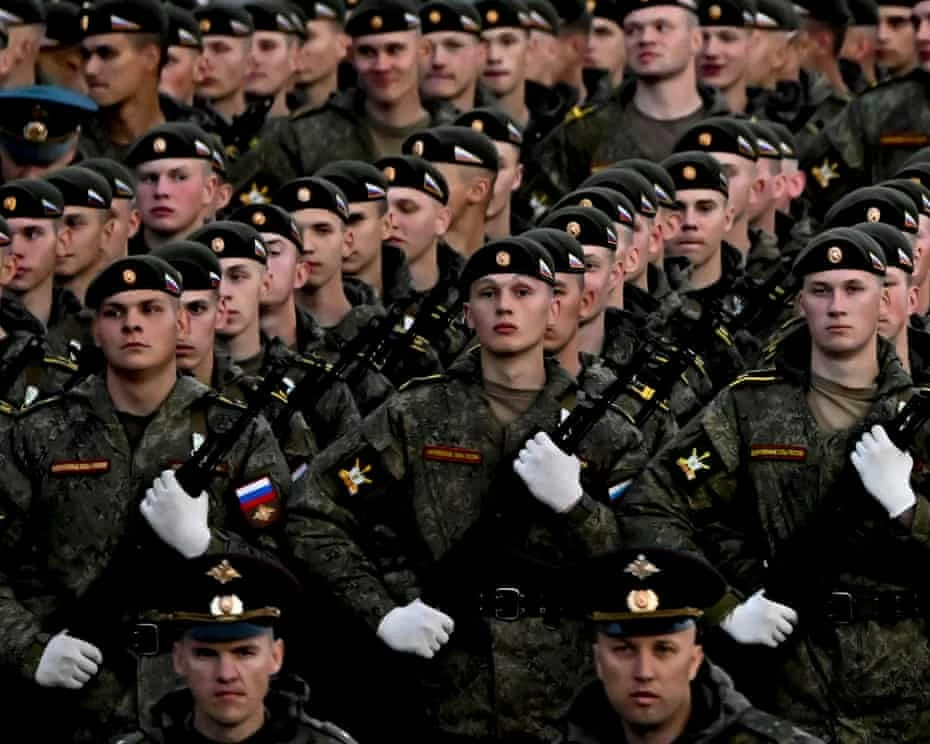
تواجه روسيا ضغوطاً متزايدة على جبهات القتال في أوكرانيا، مع عجز عمليات التجنيد الحالية عن تعويض الخسائر البشرية، إذ تفقد موسكو نحو 6 آلاف جندي إضافي شهرياً مقارنة بعدد العناصر الذين تنجح في تجنيدهم، وفق تقديرات مسؤولين غربيين نقلتها صحيفة «الجارديان» البريطانية.
ورغم استمرار روسيا في استقطاب نحو 1000 مجند يومياً، فإن هذه الوتيرة لم تعد كافية خلال الشهرين الماضيين لتعويض أعداد القتلى والمصابين في المعارك، ما يضع القيادة الروسية أمام خيارات أكثر صعوبة لمواصلة حرب الاستنزاف.
موسكو أمام خيار التعبئة
ويرى المسؤولون الغربيون أن الرئيس الروسي فلاديمير بوتين يملك خيارات محدودة لمعالجة النقص المتزايد في القوات، في ظل المخاطر السياسية والاقتصادية التي قد تترتب على إعلان تعبئة عسكرية واسعة جديدة.
وكانت التعبئة التي أُعلنت في خريف 2022 قد دفعت نحو مليون روسي، بينهم عدد كبير من أصحاب المهارات والخبرات، إلى مغادرة البلاد، ولم يعد أكثر من نصفهم، وفق التقديرات التي أوردها المسؤولون.
كما تبرز مشكلة أخرى تتمثل في قدرة الجيش الروسي على استيعاب مئات الآلاف من المجندين الجدد، في ظل النقص في المعدات والضباط القادرين على تدريبهم وقيادتهم.
وتشير تقديرات مركز كارنيجي للسلم الدولي إلى أن روسيا تجند حالياً ما بين 30 و40 ألف متعاقد شهرياً، أي نحو 1000 إلى 1300 شخص يومياً، إلا أن ارتفاع الخسائر يجعل الجزء الأكبر من المجندين مخصصاً لتعويض الوحدات المستنزفة بدلاً من زيادة القدرات الهجومية.
تصعيد روسي واستهداف للبنية التحتية
وبحسب المسؤولين الغربيين، فإن بوتين اتجه بالتوازي مع أزمة القوى البشرية إلى تصعيد الضربات ضد أوكرانيا، ولا سيما استهداف المدنيين والبنية التحتية الحيوية، في محاولة لإضعاف القدرة الأوكرانية على الصمود قبل فصل الشتاء.
ومنذ مطلع يوليو، أطلقت روسيا أكثر من 360 صاروخاً، مستغلة النقص الأوكراني في منظومات التصدي للصواريخ الباليستية، وسط مخاوف من أن تركز موسكو خلال الشتاء على منشآت الطاقة لإضعاف الروح المعنوية للسكان.
في المقابل، تواصل أوكرانيا استهداف منشآت النفط الروسية بهدف تعطيل إمدادات الوقود، بينما تطالب حلفاءها بمزيد من الصواريخ الهجومية ومنظومات الدفاع الجوي.
بريطانيا تعزز دعم كييف
وتزامن ذلك مع زيارة رئيس الوزراء البريطاني آندي بيرنهام إلى كييف، في أول رحلة خارجية له منذ توليه منصبه، حيث أعلن أن بريطانيا ستسمح بالكشف عن معلومات كانت سرية بشأن مكونات بريطانية تستخدم في صواريخ SCALP بعيدة المدى، بما يمهد الطريق أمام إنتاجها أو تجميعها محلياً في أوكرانيا.
كما دعا بيرنهام إلى زيادة الدعم المقدم لأوكرانيا، خصوصاً من خلال توفير مزيد من صواريخ باتريوت الأمريكية لمواجهة الهجمات الروسية.
تهديدات روسية لبريطانيا
وردت موسكو بتهديدات متكررة بالانتقام، بما في ذلك التلويح باستهداف مواقع عسكرية بريطانية داخل أوكرانيا وخارجها.
لكن المسؤولين الغربيين يؤكدون أن روسيا، رغم امتلاكها القدرة على تنفيذ هجمات ضد بريطانيا، تبدو حريصة على تجنب مواجهة مباشرة مع حلف شمال الأطلسي «ناتو». ويشمل التهديد المحتمل هجمات إلكترونية أو عمليات تستهدف منشآت مدنية عبر جهات بالوكالة.
ويرى المسؤولون أن التصعيد في الخطاب الروسي يندرج ضمن إستراتيجية أوسع تهدف إلى استغلال مخاوف الدول الأوروبية وإضعاف تماسكها، ودفع الحكومات الغربية إلى تقليص دعمها لأوكرانيا.
وتشير التقديرات الغربية إلى أن هدف بوتين الأساسي لا يزال قائماً على حرب استنزاف طويلة الأمد، على أمل أن تتراجع قدرة أوكرانيا وحلفائها على مواصلة القتال والدعم مع مرور الوقت.
وتأتي هذه التطورات بينما تدخل الحرب الروسية الأوكرانية عامها الخامس، وسط استمرار المعارك والهجمات المتبادلة وتصاعد الضغوط على الطرفين. كما تتزايد المخاوف من عودة موسكو إلى استهداف شبكة الطاقة الأوكرانية خلال الشتاء، في وقت تعاني فيه كييف نقصاً حاداً في بعض منظومات الدفاع الجوي، خصوصاً صواريخ باتريوت.
وتعكس أزمة التجنيد الروسية، بحسب التقديرات الغربية، أحد أبرز التحديات التي تواجه موسكو في مواصلة العمليات العسكرية بالوتيرة الحالية، في ظل ارتفاع كلفة الحرب البشرية والاقتصادية.
Russia is facing increasing pressure on the battlefronts in Ukraine, with current recruitment efforts unable to compensate for human losses, as Moscow loses about 6,000 additional soldiers each month compared to the number of recruits it manages to enlist, according to estimates from Western officials reported by the British newspaper "The Guardian."
Despite Russia continuing to attract around 1,000 recruits daily, this pace has not been sufficient over the past two months to compensate for the number of dead and wounded in battles, placing Russian leadership in front of more difficult choices to continue the war of attrition.
Russia Faces the Option of Mobilization
Western officials believe that Russian President Vladimir Putin has limited options to address the increasing shortage of troops, given the political and economic risks that may arise from announcing a new large-scale military mobilization.
The mobilization announced in the fall of 2022 led nearly a million Russians, including a large number of skilled and experienced individuals, to leave the country, with more than half of them not returning, according to estimates provided by officials.
Another problem arises from the Russian army's ability to absorb hundreds of thousands of new recruits, amid shortages of equipment and officers capable of training and leading them.
Estimates from the Carnegie Endowment for International Peace indicate that Russia is currently recruiting between 30,000 and 40,000 contractors monthly, or about 1,000 to 1,300 people daily, but the rising casualties mean that the majority of recruits are designated to replace depleted units rather than to increase offensive capabilities.
Russian Escalation and Targeting of Infrastructure
According to Western officials, Putin has, in parallel with the manpower crisis, escalated strikes against Ukraine, particularly targeting civilians and critical infrastructure, in an attempt to weaken Ukraine's ability to withstand before winter.
Since early July, Russia has launched more than 360 missiles, exploiting Ukraine's shortage of ballistic missile defense systems, amid fears that Moscow will focus on energy facilities during the winter to undermine the morale of the population.
In contrast, Ukraine continues to target Russian oil facilities to disrupt fuel supplies, while calling on its allies for more offensive missiles and air defense systems.
Britain Enhances Support for Kyiv
This coincided with British Prime Minister Andy Burnham's visit to Kyiv, his first foreign trip since taking office, where he announced that Britain would allow the disclosure of previously classified information regarding British components used in long-range SCALP missiles, paving the way for their production or assembly locally in Ukraine.
Burnham also called for increased support for Ukraine, particularly through the provision of more American Patriot missiles to counter Russian attacks.
Russian Threats to Britain
Moscow responded with repeated threats of retaliation, including the suggestion of targeting British military sites both within Ukraine and outside it.
However, Western officials assert that Russia, despite having the capability to carry out attacks against Britain, appears eager to avoid direct confrontation with NATO. The potential threat includes cyberattacks or operations targeting civilian facilities through proxy entities.
Officials believe that the escalation in Russian rhetoric falls within a broader strategy aimed at exploiting the fears of European countries, undermining their cohesion, and pushing Western governments to reduce their support for Ukraine.
Western estimates indicate that Putin's primary goal remains focused on a long-term war of attrition, hoping that Ukraine and its allies' capacity to continue fighting and supporting will diminish over time.
These developments come as the Russian-Ukrainian war enters its fifth year, amid ongoing battles and mutual attacks and increasing pressures on both sides. Concerns are also rising about Moscow returning to target the Ukrainian energy grid during the winter, at a time when Kyiv is suffering from a severe shortage of some air defense systems, particularly Patriot missiles.
The Russian recruitment crisis reflects, according to Western estimates, one of the most significant challenges facing Moscow in continuing military operations at the current pace, amid rising human and economic costs of the war.