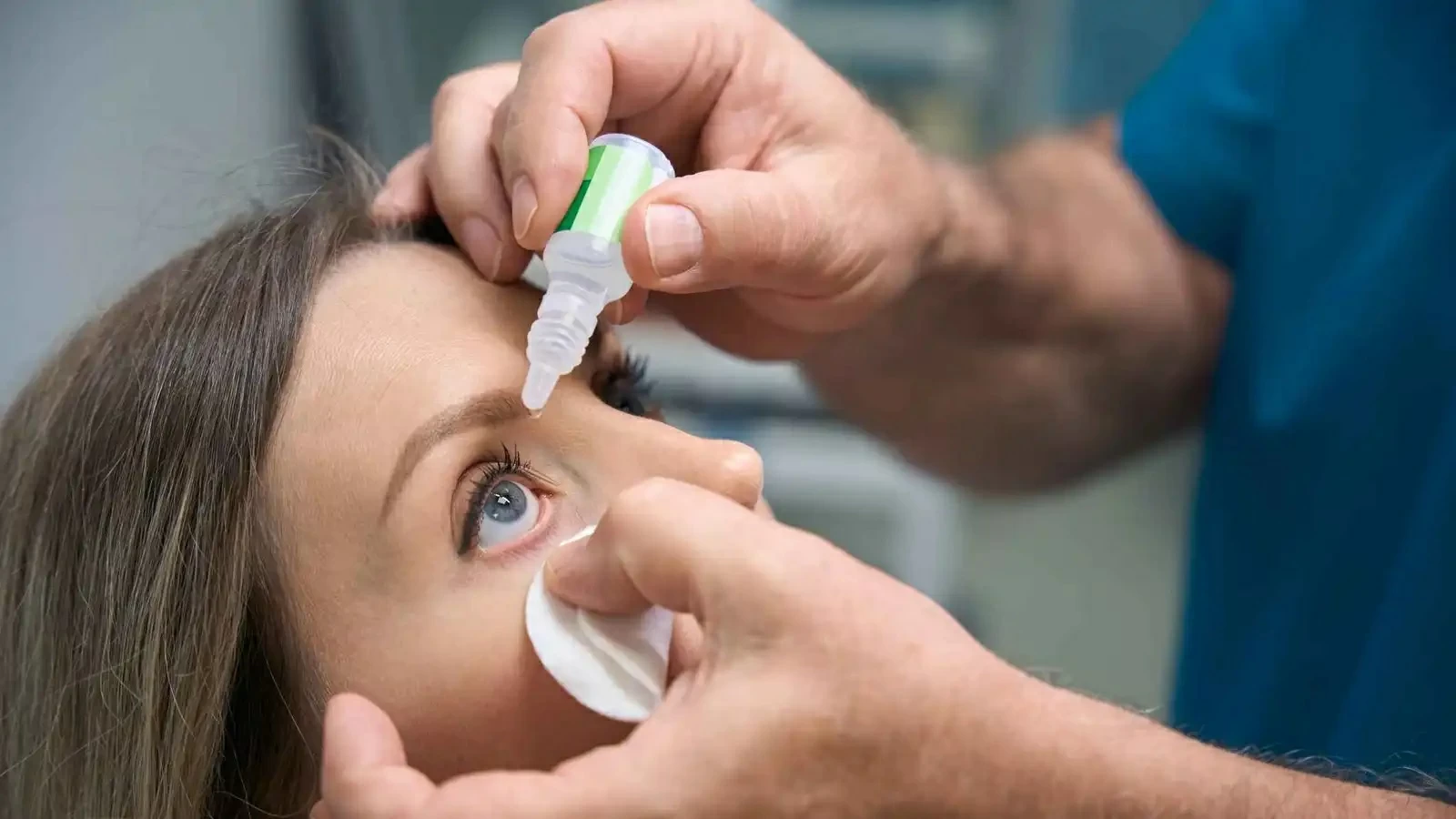
في إنجاز علمي قد يغير حياة أكثر من 200 مليون شخص حول العالم، نجح فريق بحثي من معهد الهندسة الحيوية في كاتالونيا (IBEC) في استعادة القدرة على الإبصار لدى حيوانات عمياء دون الحاجة لزرع أجهزة إلكترونية أو تعديل جيني، بل فقط عبر قطرات عين ذكية تُنشّط بالضوء.
الدراسة الواعدة المنشورة في مجلة الجمعية الكيميائية الأمريكية (JACS)، استهدفت الحالات الناجمة عن الأمراض التنكسية في الشبكية مثل التنكس البقعي والتهاب الشبكية الصباغي.
كيف تعمل «الصيدلة الضوئية»؟
بدلاً من محاولة إعادة زراعة الخلايا المستقبلة للضوء الميتة، طور العلماء عائلة جزيئات تُدعى «prosthe6» تعمل بـ«مفاتيح جزيئية»:
- بدائل جزيئية: تعمل المركبات عن طريق الحقن أو القطرات الموضعية وتلتصق بالخلايا العصبية التي لا تزال حية في الشبكية.
- التنشيط بالضوء: عندما يدخل الضوء إلى العين، يتغير شكل الجزيء تلقائياً ليحفز بروتين (mGlu6) ويطلق إشارات عصبية تحاكي عملية الإبصار الطبيعية.
وأظهرت التجارب نجاحاً سلوكياً واضحاً دون تدريب:
- أسماك الزيبرا: استعادت حركات العين السريعة والتفاعلية للمؤثرات البصرية.
- الفئران العمياء: عادت غريزياً للابتعاد عن الضوء الشديد والبحث عن الظلام بمجرد تلقي العلاج، مما يثبت استعادتها الحقيقية لاستشعار الضوء وتوجيه حركتها.
ويرى العلماء أن هذا النهج يفتح باب الأمل عملياً لمساعدة مرضى العمى مستقبلاً عبر بنيتهم العصبية السليمة دون تدخلات جراحية معقدة.
In a scientific achievement that could change the lives of more than 200 million people around the world, a research team from the Institute of Bioengineering in Catalonia (IBEC) has succeeded in restoring the ability to see in blind animals without the need for electronic devices or genetic modification, but rather through smart eye drops activated by light.
The promising study published in the Journal of the American Chemical Society (JACS) targeted cases resulting from degenerative diseases in the retina such as macular degeneration and retinitis pigmentosa.
How does "optopharmacology" work?
Instead of attempting to replant dead light-sensitive cells, scientists developed a family of molecules called "prosthe6" that operate with "molecular switches":
- Molecular substitutes: The compounds work through injections or topical drops and attach to the still-living nerve cells in the retina.
- Light activation: When light enters the eye, the shape of the molecule automatically changes to stimulate the (mGlu6) protein and release nerve signals that mimic the natural process of vision.
Experiments showed clear behavioral success without training:
- Zebrafish: They regained rapid eye movements and responsiveness to visual stimuli.
- Blind mice: They instinctively returned to avoid bright light and seek darkness immediately after receiving treatment, demonstrating their true recovery of light sensing and movement guidance.
Scientists believe that this approach practically opens the door to hope for helping blind patients in the future through their intact neural structures without complex surgical interventions.