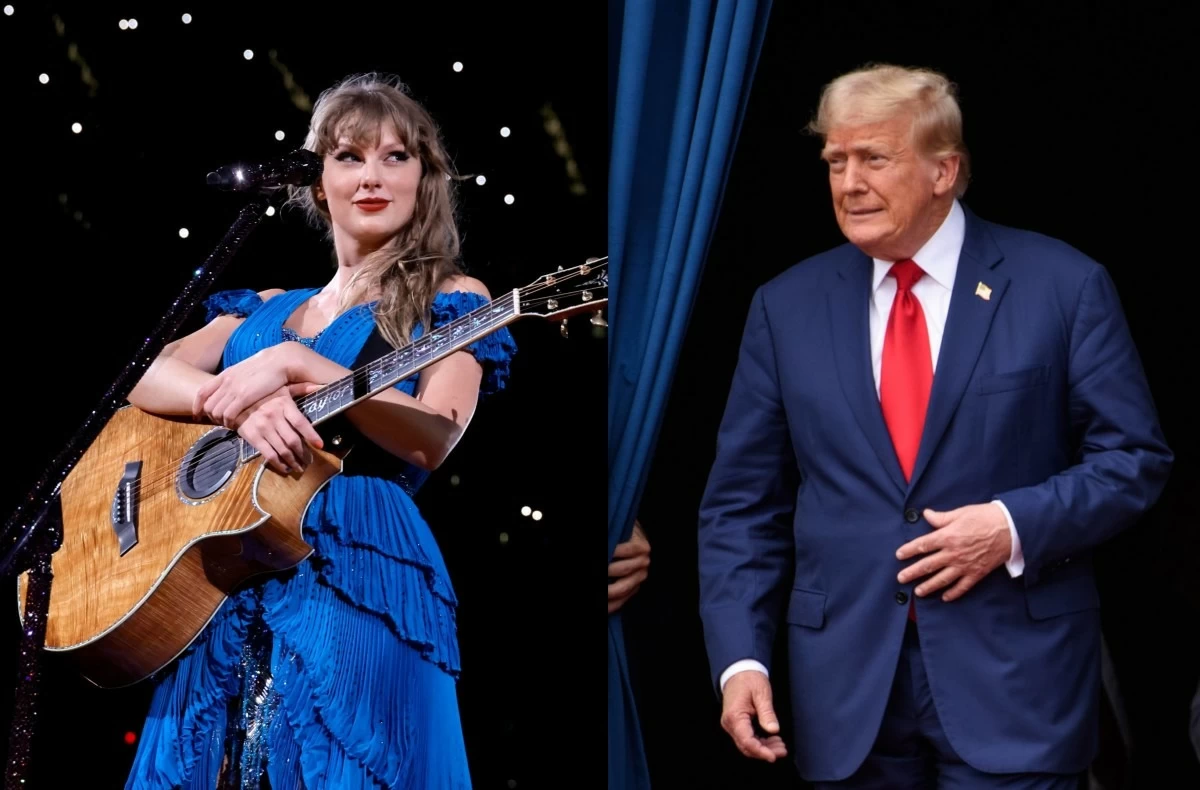
أزالت حملة الرئيس الأمريكي دونالد ترمب والبيت الأبيض أغاني نجمة البوب تايلور سويفت من عدد من مقاطع الفيديو المنشورة عبر الإنترنت، في خطوة تأتي بعد دعوات من عشرات الفنانين لوقف استخدام أعمالهم في المحتوى المرتبط بإدارة ترمب.
وذكرت صحيفة «تليغراف» أن الأغاني التي كانت قد ظهرت في مقاطع نشرتها حملة ترمب والبيت الأبيض خلال الأشهر الماضية اختفت من النسخ المنشورة على الإنترنت، في وقت تتزايد فيه اعتراضات فنانين على استخدام أعمالهم في رسائل سياسية أو دعائية من دون موافقتهم.
وكانت حملة ترمب قد استخدمت خلال الأسبوع الماضي أغنيتين لسويفت على حسابها في منصة «تيك توك»، من بينهما مقطع حمل عبارات ساخرة مستوحاة من عناوين وكلمات أغانيها، تضمنت «أحمر.. نسخة دونالد ترمب» و«لن نعود معاً أبداً.. إدارة بايدن-هاريس».
وفي يونيو الماضي، نشرت الحملة مقطع فيديو قصيراً تضمن أغنية سويفت الجديدة «كنت أعرف ذلك، كنت أعرفك»، من فيلم «حكاية لعبة 5»، ورافق الفيديو تعليق يشيد بترمب ويصفه بأنه الشخص الأكثر حباً للولايات المتحدة والشعب الأمريكي.
كما سبق للبيت الأبيض أن استخدم إحدى أغاني سويفت في أبريل الماضي ضمن مقطع فيديو يوثق لقاء أفراد طاقم مهمة «أرتميس 2» الفضائية بالرئيس الأمريكي، ما أضاف إلى الجدل بشأن استخدام موسيقى النجمة في محتوى صادر عن الإدارة الأمريكية.
وتأتي إزالة الأغاني في ظل دعوات أوسع من فنانين إلى إدارة ترمب بعدم استخدام أعمالهم في المواد السياسية، وكانت أسماء بارزة، من بينها سابرينا كاربنتر وأريانا غراندي، من بين الفنانين الذين اعترضوا على استخدام موسيقاهم أو طالبوا بعدم ربط أعمالهم بسياسات الرئيس الأمريكي.
وتحظى مسألة استخدام الأغاني في الحملات السياسية بحساسية خاصة في الولايات المتحدة، إذ يمكن لأصحاب الحقوق الاعتراض على استخدام أعمالهم في سياقات توحي بتأييدهم لمرشح أو حزب أو سياسة معينة، كما أن استخدام التسجيلات الموسيقية يخضع لقواعد حقوق النشر والتراخيص، بحسب طبيعة الاستخدام والمنصة والجهة التي تستخدم العمل.
وتحمل القضية بعداً سياسياً إضافياً في حالة سويفت، التي سبق أن دخلت في مواجهة علنية مع ترمب، فقد أعلنت النجمة في انتخابات 2024 تأييدها كامالا هاريس، منافسة ترمب آنذاك، بعد مناظرة انتخابية بينهما، بينما كانت قد انتقدت ترمب في انتخابات 2020، مؤكدة معارضتها لإعادة انتخابه.
ورد ترمب في مناسبات عدة على مواقف سويفت السياسية، ووصل التوتر بين الطرفين إلى حد نشره عبارات هجومية ضدها على منصته للتواصل الاجتماعي، ما جعل استخدام أغانيها في محتوى مرتبط به موضع اهتمام سياسي وإعلامي واسع.
ورغم أن سويفت لم تدل أخيراً بموقف جديد من ترمب، إلا أن إزالة أغانيها من المقاطع المنشورة من جانب حملته والبيت الأبيض تعيد تسليط الضوء على العلاقة المتوترة بين الرئيس الأمريكي والنجمة التي تتمتع بقاعدة جماهيرية ضخمة وتأثير سياسي وثقافي واسع.
ولا يعني حذف المقاطع أو إزالة الموسيقى منها بالضرورة وجود تسوية معلنة بين الطرفين، فيما يبقى استخدام أعمال الفنانين في الحملات والمحتوى السياسي موضوعاً حساساً في الولايات المتحدة، خصوصاً عندما يكون الفنان قد أعلن صراحة موقفاً سياسياً مناهضاً للشخص أو الجهة التي تستخدم أعماله.
The campaign of U.S. President Donald Trump and the White House removed songs by pop star Taylor Swift from several videos posted online, a move that comes after calls from dozens of artists to stop using their works in content related to the Trump administration.
The Telegraph reported that the songs that had appeared in clips published by Trump's campaign and the White House over the past months have disappeared from the versions available online, as objections from artists regarding the use of their works in political or promotional messages without their consent are increasing.
Last week, Trump's campaign used two of Swift's songs on its TikTok account, including a clip that featured sarcastic phrases inspired by the titles and lyrics of her songs, including "Red... Donald Trump Version" and "We Are Never Ever Getting Back Together... Biden-Harris Administration."
In June, the campaign published a short video that included Swift's new song "I Knew You Were Trouble," from the movie "Toy Story 5," accompanied by a comment praising Trump and describing him as the most loving person for the United States and the American people.
The White House had also used one of Swift's songs in April in a video documenting the meeting of the Artemis 2 space mission crew with the U.S. President, which added to the controversy surrounding the use of the star's music in content issued by the U.S. administration.
The removal of the songs comes amid broader calls from artists to the Trump administration not to use their works in political materials, with prominent names, including Sabrina Carpenter and Ariana Grande, among the artists who objected to the use of their music or requested that their works not be linked to the policies of the U.S. President.
The issue of using songs in political campaigns is particularly sensitive in the United States, as rights holders can object to the use of their works in contexts that imply their support for a candidate, party, or specific policy. Additionally, the use of music recordings is subject to copyright and licensing rules, depending on the nature of the use, the platform, and the entity using the work.
The case carries an additional political dimension in Swift's situation, as she has previously engaged in a public confrontation with Trump. The star endorsed Kamala Harris, Trump's then-opponent, in the 2024 elections after a debate between them, while she had criticized Trump in the 2020 elections, stating her opposition to his reelection.
Trump has responded on several occasions to Swift's political stances, and the tension between the two reached the point where he posted offensive remarks against her on his social media platform, making the use of her songs in content related to him a topic of significant political and media interest.
Although Swift has not recently made a new statement regarding Trump, the removal of her songs from the clips published by his campaign and the White House brings attention back to the strained relationship between the U.S. President and the star, who has a massive fan base and wide political and cultural influence.
The deletion of clips or the removal of music from them does not necessarily indicate a public settlement between the two parties, while the use of artists' works in campaigns and political content remains a sensitive issue in the United States, especially when the artist has explicitly declared a political stance opposing the person or entity using their works.