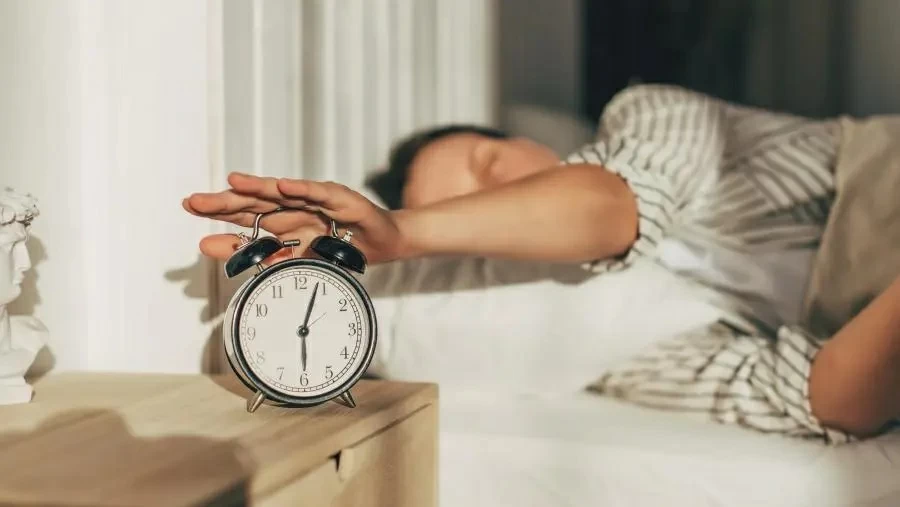
إذا كنت ممن يواجهون معركة شرسة وضارية مع جرس المنبه كل صباح، وتفضل ضغط زر الغفوة مراراً وتكراراً، فقد يكون السبب وراء ذلك أعمق بكثير من مجرد السهر لليلة واحدة أو قلة الانضباط الشخصي. فبحسب خبراء النوم، فإن الميل إلى السهر والاستيقاظ المتأخر قد يكون مكتوباً في شفرتك الجينية وليس كما كنت تعتقد سابقاً.
أعادت دراسات علمية حديثة تسليط الضوء على الدور المحوري الذي تلعبه «الساعة البيولوجية» في تحديد ما إذا كان الشخص من هواة الصباح الباكر أم من «عشاق الليل» الذين يدمنون السهر، مؤكدة أن العامل الوراثي والجينات تلعب دوراً رئيسياً في رسم مواعيد النوم والاستيقاظ الطبيعية لكل إنسان.
وفي دراسة نشرها موقع Martha Stewart، يشير المختصون إلى أن الاختلاف بين البشر يعود لطبيعة عمل هذه الساعة الداخلية:
- إيقاع أطول من 24 ساعة: يمتلكه بعض الأشخاص، مما يجعل أجسامهم تميل تلقائياً وفطرياً إلى النوم في وقت متأخر والاستيقاظ متأخراً.
- إيقاع أقصر من 24 ساعة: يتمتع به آخرون، مما يدفعهم للشعور بالنعاس في وقت مبكر من المساء والاستيقاظ بنشاط مع ساعات الفجر الأولى.
ولا يتوقف الأمر عند مجرد تفضيل شخصي، إذ تؤكد الأبحاث أن الأشخاص الذين يفضلون السهر غالباً ما يستيقظون مجبرين في الصباح، بينما لا تزال مستويات هرمون «الميلاتونين» (المرتبط بالنوم) مرتفعة جداً في أجسامهم، وهو ما يفسر شعورهم الدائم بالخمول وصعوبة النهوض من السرير.
بالإضافة إلى ذلك، فإن أجسامهم في هذا الوقت المبكر لا تكون قد وصلت بعد إلى الذروة الطبيعية لهرمون «الكورتيزول» المسؤول عن منح الجسم الطاقة والنشاط والحيوية عند الاستيقاظ، مما يجعل بداية يومهم أشبه بمهمة مستحيلة مقارنة بالأشخاص الصباحيين.
فخ عطلة نهاية الأسبوع
رغم قوة الجينات، يؤكد الخبراء أنها ليست اللاعب الوحيد في هذه الأزمة، فالتعرض المستمر لشاشات الهواتف الذكية ليلاً، والتصفح اللانهائي لمواقع التواصل الاجتماعي، وعدم الالتزام بموعد نوم ثابت، كلها عوامل تدفع الساعة البيولوجية إلى مزيد من التأخر والاضطراب.
ومن المفارقات الصادمة، أن الكثير من عشاق السهر يحاولون تعويض نقص النوم خلال عطلات نهاية الأسبوع بالنوم لساعات طويلة، وهو تصرف يؤدي إلى خلل أكبر في إيقاعهم البيولوجي، ويجعل استيقاظهم صباح يوم الأحد أكثر قسوة وصعوبة.
رغم أن تغيير النمط الوراثي المطبوع في الجينات أمر غير ممكن، فإن خبراء النوم يقدمون حلاً بسيطاً، مجانياً، وفعالاً للغاية لإعادة التوازن: التعرض المباشر لأشعة الشمس في الصباح الباكر.
فمجرد قضاء بعض الوقت خارج المنزل أو بالجلوس بالقرب من نافذة مضيئة فور الاستيقاظ، يرسل إشارات حاسمة للمخ تساعد الجسم تدريجياً على إعادة ضبط ساعته الداخلية وتعديل مستويات الهرمونات.
ويخلص الباحثون إلى أن الهدف النهائي ليس تحويل جميع الساهرين إلى أشخاص يستيقظون عند الفجر رغماً عن طبيعتهم، بل الوصول إلى جدول نوم متوازن وحيوي يمنح الجسم كفايته من الراحة ويتوافق مع متطلبات الحياة والعمل، دون الدخول في صراع نفسي وجسدي مع المنبه كل صباح.
If you are someone who faces a fierce and intense battle with the alarm clock every morning, and you prefer to hit the snooze button repeatedly, the reason behind this may be much deeper than just staying up late one night or a lack of personal discipline. According to sleep experts, the tendency to stay up late and wake up late may be written in your genetic code, not as you previously thought.
Recent scientific studies have highlighted the pivotal role that the "biological clock" plays in determining whether a person is an early morning person or a "night owl" who is addicted to staying up late, confirming that genetic factors and genes play a major role in shaping each individual's natural sleep and wake times.
In a study published by Martha Stewart's website, specialists point out that the differences among humans are due to how this internal clock operates:
- A longer than 24-hour rhythm: Some people have this, causing their bodies to naturally and instinctively lean towards sleeping late and waking up late.
- A shorter than 24-hour rhythm: Others enjoy this, which makes them feel sleepy early in the evening and wake up energetically in the early hours of dawn.
It doesn't stop at mere personal preference; research confirms that people who prefer to stay up late often wake up forced in the morning, while their levels of the hormone "melatonin" (associated with sleep) remain very high in their bodies, which explains their constant feelings of lethargy and difficulty getting out of bed.
Additionally, their bodies at this early time have not yet reached the natural peak of the hormone "cortisol," which is responsible for providing the body with energy, activity, and vitality upon waking, making the start of their day feel like an impossible task compared to morning people.
The Weekend Trap
Despite the power of genetics, experts confirm that it is not the only player in this crisis; continuous exposure to smartphone screens at night, endless browsing of social media, and not adhering to a fixed bedtime are all factors that push the biological clock further into delay and disruption.
In a shocking irony, many night owls try to compensate for their lack of sleep during the weekends by sleeping for long hours, a behavior that leads to greater disruption in their biological rhythm and makes waking up on Sunday morning more harsh and difficult.
Although changing the genetic pattern imprinted in the genes is impossible, sleep experts offer a simple, free, and highly effective solution to restore balance: direct exposure to sunlight in the early morning.
Just spending some time outside or sitting near a bright window right after waking up sends crucial signals to the brain that help the body gradually reset its internal clock and adjust hormone levels.
Researchers conclude that the ultimate goal is not to turn all night owls into people who wake up at dawn against their nature, but to achieve a balanced and vibrant sleep schedule that provides the body with sufficient rest and aligns with the demands of life and work, without entering into a psychological and physical struggle with the alarm clock every morning.