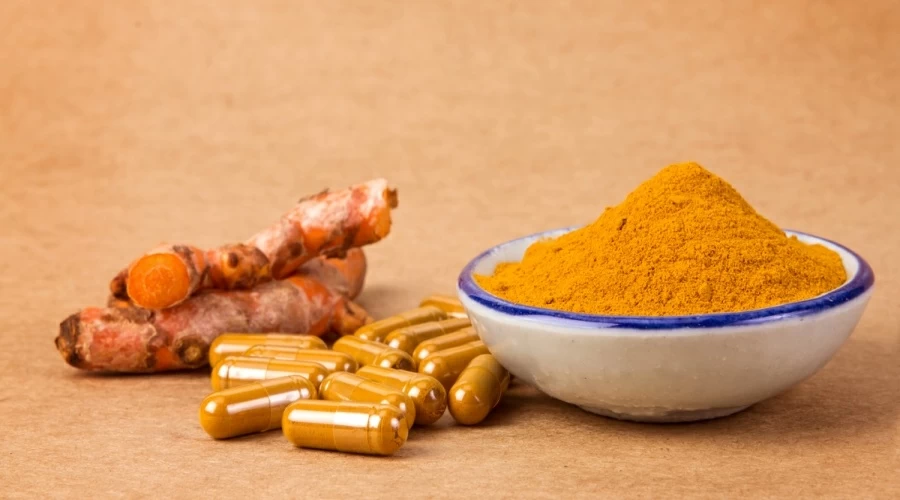
يواصل الكركم، ذلك الجذر الذهبي الذي يشتهر في المطابخ والطب التقليدي، جذب اهتمام الباحثين بفضل خصائصه الصحية المتنوعة، إذ تكشف الدراسات الحديثة عن دوره في دعم المناعة وتخفيف الالتهابات وتعزيز صحة الجهاز الهضمي.
ويبرز داخل الكركم مركّب نشط يُعرف باسم (الكركمين)، وهو العنصر المسؤول عن معظم التأثيرات الصحية المنسوبة لهذا النبات. ويُعد (الكركمين) من أقوى مضادات الالتهاب الطبيعية، إذ يعمل على الحد من نشاط الجزيئات الالتهابية في الجسم، كما يمتلك قدرة عالية على مقاومة الأكسدة، وهي عملية ترتبط بتلف الخلايا وظهور العديد من الأمراض المزمنة. وتشير الأبحاث إلى أن هذا المركّب قد يسهم في تخفيف آلام المفاصل، ودعم صحة القلب، وتحسين وظائف الجهاز الهضمي، فضلًا عن دوره المحتمل في حماية الدماغ وتعزيز الذاكرة. ورغم ذلك، فإن امتصاص (الكركمين) داخل الجسم يكون محدودًا بطبيعته، ما يدفع الخبراء إلى التوصية بتناوله مع الفلفل الأسود أو الدهون الصحية لزيادة فعاليته.
وتُظهر نتائج علمية أخرى أن الكركم يساعد في تحسين توازن البكتيريا النافعة داخل الأمعاء، ما يجعله عنصرًا داعمًا لصحة الجهاز الهضمي، خصوصًا لدى الأشخاص الذين يعانون من القولون العصبي أو الالتهابات المزمنة. كما يدرس العلماء تأثيره على صحة الدماغ، إذ تشير بعض النتائج الأولية إلى إمكانية مساهمته في تقليل تراكم البروتينات المرتبطة بمرض (ألزهايمر)، رغم أن هذه النتائج لا تزال بحاجة إلى مزيد من التحقق.
وفي مجال المناعة، يبرز الكركم كخيار طبيعي يُستخدم في المشروبات الصحية، خصوصًا خلال مواسم انتشار الأمراض، نظرًا لقدرته على تعزيز الاستجابة المناعية للجسم. كما يُستخدم في الطب الشعبي لتخفيف أعراض نزلات البرد وتهدئة التهابات الحلق.
ورغم الفوائد المحتملة، يشدد الخبراء على ضرورة تناول الكركم باعتدال، إذ قد يؤدي الإفراط في استهلاكه إلى اضطرابات هضمية لدى بعض الأشخاص، فيما تبقى فعاليته مرتبطة بطريقة تناوله وامتصاصه داخل الجسم.
Turmeric, that golden root known for its prominence in kitchens and traditional medicine, continues to attract the attention of researchers due to its diverse health properties. Recent studies reveal its role in supporting immunity, reducing inflammation, and enhancing digestive health.
Within turmeric, there is an active compound known as (curcumin), which is responsible for most of the health effects attributed to this plant. (Curcumin) is considered one of the strongest natural anti-inflammatory agents, as it works to reduce the activity of inflammatory molecules in the body. It also possesses a high capacity for resisting oxidation, a process associated with cell damage and the emergence of many chronic diseases. Research indicates that this compound may help alleviate joint pain, support heart health, and improve digestive functions, as well as its potential role in protecting the brain and enhancing memory. However, the absorption of (curcumin) in the body is inherently limited, prompting experts to recommend consuming it with black pepper or healthy fats to increase its effectiveness.
Other scientific results show that turmeric helps improve the balance of beneficial bacteria in the intestines, making it a supportive element for digestive health, especially for individuals suffering from irritable bowel syndrome or chronic inflammation. Scientists are also studying its effects on brain health, as some preliminary results suggest it may contribute to reducing the accumulation of proteins associated with (Alzheimer's disease), although these findings still require further verification.
In the field of immunity, turmeric stands out as a natural option used in health drinks, especially during disease outbreak seasons, due to its ability to enhance the body's immune response. It is also used in folk medicine to relieve cold symptoms and soothe throat inflammation.
Despite the potential benefits, experts emphasize the need to consume turmeric in moderation, as excessive intake may lead to digestive disturbances in some individuals, while its effectiveness remains linked to the way it is consumed and absorbed in the body.