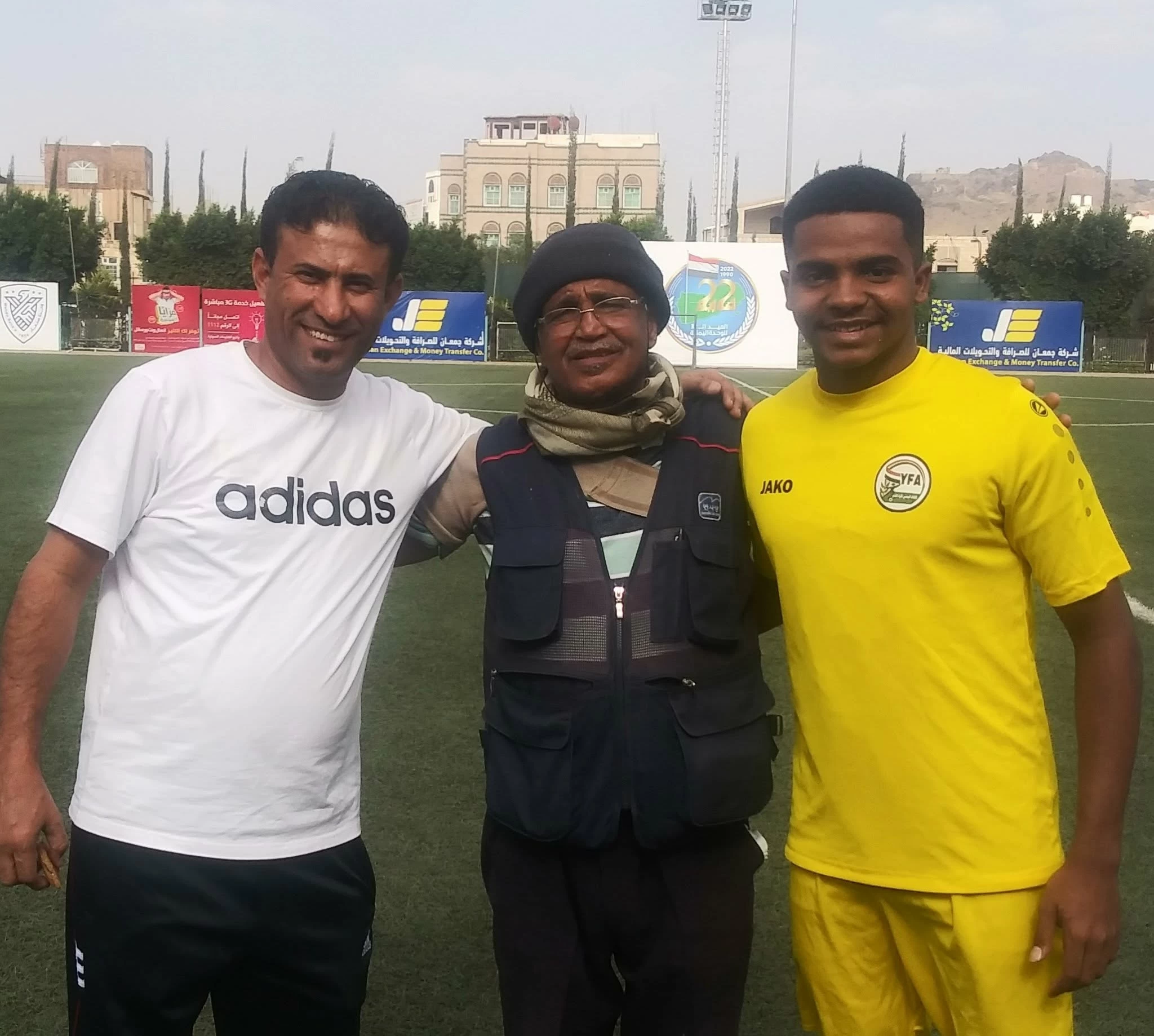
في جريمة تضاف إلى جرائم الحوثي ضد الصحفيين اليمنيين، رفضت مليشيا الحوثي السماح بدفن المصور الصحفي علي شاهر الذي وافته المنية مساء (الأحد) في صنعاء.
وذكرت مصادر إعلامية لـ«عكاظ» أن جثمان المصور الصحفي علي شاهر داخل سيارة تجوب به الشوارع بحثاً عن مستشفى يسمح بإيداعه ثلاجة الموتى، لكن جميع المستشفيات رفضت ذلك بحجة أنه لا يوجد تصريح، وأحياناً تزعم أن ثلاجاتها ممتلئة بالجثامين جراء الحرب.
وأطلق الإعلامي الرياضي بشير سنان على صفحته في «فيسبوك» مناشدة إنسانية لتوفير ثلاجة موتى في صنعاء أو تصريح دفن عاجل، معرباً عن امتعاض الوسط الإعلامي الرياضي من سياسة عدم المبالاة التي أظهرتها المليشيا الحوثية ورفضها إصدار تصاريح لدفن جثمان الصحفي شاهر.
وقال سنان: نحتاج «واسطة» لثلاجة موتى في صنعاء للمصور المخضرم علي شاهر الذي توفي الساعة 12 مساء الأحد ولا تزال جثته في سيارة تجوب شوارع صنعاء بحثاً عن ثلاجة، مضيفاً: «شقيقه الموجود في القاهرة يحتاج إلى 5 أيام حتى يرسل تفويضاً بالدفن».
وتساءل سنان: «كيف يمكن أن تبقى الجثة في سيارة طوال هذه الأيام؟»، محملاً الحوثيين المسؤولية عن كل هذه المعاناة لجثمان المصور الصحفي.
المصور الصحفي المرحوم علي شاهر
وأضاف: علي شاهر من أوائل المصورين الصحفيين في اليمن، ومن المؤلم أن يتم التعامل معه بهذه الطريقة وعدم إكرام الجثمان، كونه من الصحفيين الذين عانوا كثيراً مع المرض فضلاً عن أنه ليس لديه زوجة وأولاد، مشدداً بالقول: حتى وهو ميت ستعذبونه؟
يذكر أن مسيرة المصور الصحفي علي شاهر حسن امتدت لأكثر من أربعة عقود في مجال التصوير والإعلام الرياضي ومعروف لدى جميع المكونات الرياضية اليمنية.
وترك شاهر خلفه سيرة حافلة بالعطاء والعمل في خدمة الرياضة والإعلام الرياضي في اليمن، كما أن وفاته أصابت زملاءه ومحبيه بالحزن العميق، مستذكرين معاناته والظروف الصعبة التي مر بها خلال سنوات عمله.
وصعّدت المليشيا الحوثية من جرائمها ضد الصحفيين بمن فيهم الصحفيون الرياضيون وزجت بعدد منهم في السجون وأصدرت أحكام إعدام بحقهم، كما استولت على جميع المؤسسات الصحفية بما فيها قنوات تلفزيونية حكومية ومستقلة وحظرت المواقع الإخبارية واستولت على مقرات الصحفيين والمثقفين وآخرها مقر اتحاد الأدباء والكتاب اليمنيين.
In a crime added to the crimes of the Houthis against Yemeni journalists, the Houthi militia refused to allow the burial of the photojournalist Ali Shaher, who passed away on Sunday evening in Sana'a.
Media sources told "Okaz" that the body of photojournalist Ali Shaher is in a car roaming the streets in search of a hospital that will allow him to be placed in the morgue, but all hospitals refused, claiming that there is no permit, and sometimes they allege that their morgues are full of corpses due to the war.
Sports journalist Bashir Sinan made a humanitarian appeal on his "Facebook" page to provide a morgue in Sana'a or an urgent burial permit, expressing the dissatisfaction of the sports media community with the indifference shown by the Houthi militia and its refusal to issue permits for the burial of journalist Shaher's body.
Sinan said: "We need a 'wasta' for a morgue in Sana'a for the veteran photographer Ali Shaher, who died at 12 midnight on Sunday, and his body is still in a car roaming the streets of Sana'a in search of a morgue," adding: "His brother, who is in Cairo, needs 5 days to send a burial authorization."
Sinan questioned: "How can the body remain in a car for all these days?" holding the Houthis responsible for all this suffering of the photojournalist's body.
المصور الصحفي المرحوم علي شاهر
He added: Ali Shaher was one of the first photojournalists in Yemen, and it is painful to treat him this way and not honor the body, as he was one of the journalists who suffered greatly from illness, in addition to not having a wife and children, stressing: "Even when he is dead, will you torture him?"
It is worth noting that the career of photojournalist Ali Shaher Hassan spanned more than four decades in the field of photography and sports media and he was known to all Yemeni sports entities.
Shaher left behind a legacy of giving and work in the service of sports and sports media in Yemen, and his death deeply saddened his colleagues and loved ones, recalling his suffering and the difficult circumstances he faced during his years of work.
The Houthi militia has escalated its crimes against journalists, including sports journalists, imprisoning many of them and issuing death sentences against them, as well as seizing all press institutions, including government and independent television channels, banning news websites, and taking over the offices of journalists and intellectuals, most recently the headquarters of the Yemeni Union of Writers and Authors.