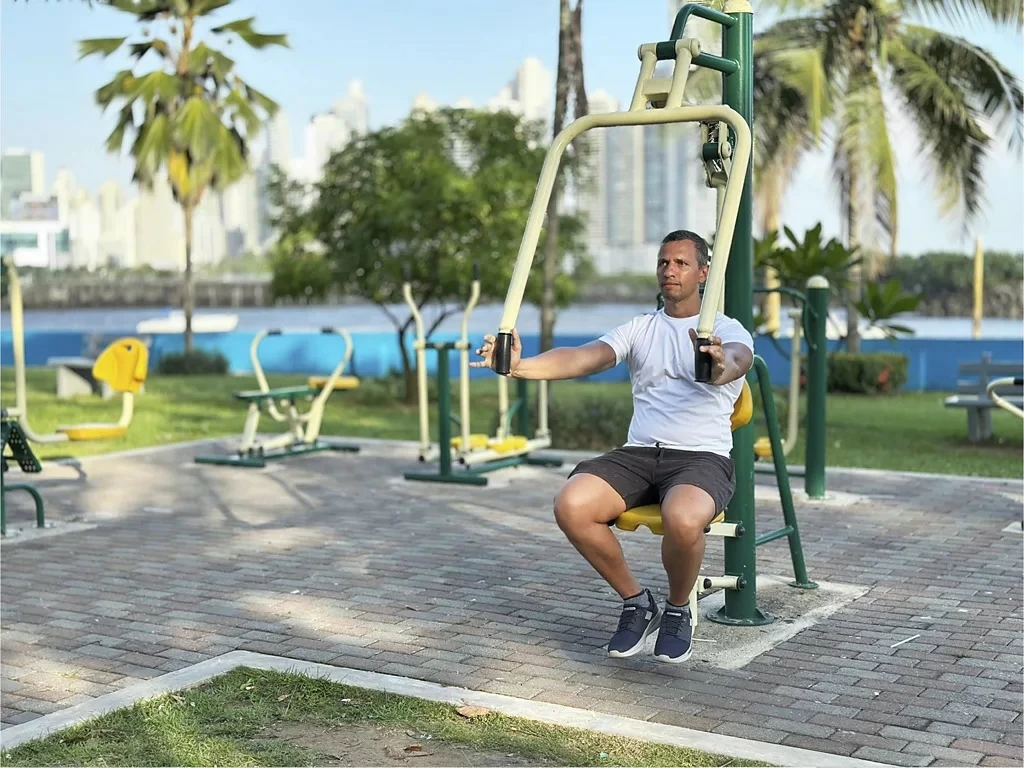
كشفت أبحاث حديثة أن إدخال زيادات بسيطة في النشاط البدني ضمن الروتين اليومي يمكن أن يحقق فوائد صحية كبيرة على المدى الطويل، حتى دون الحاجة إلى ممارسة تمارين رياضية شاقة أو قضاء ساعات داخل صالات الألعاب الرياضية.
وأظهرت دراسة واسعة النطاق أن ممارسة خمس دقائق فقط يومياً من النشاط البدني المعتدل، مثل المشي السريع أو ركوب الدراجة أو صعود السلالم، قد تسهم في الوقاية من نحو حالة وفاة مبكرة واحدة من كل عشر حالات، ما قد يساعد ملايين الأشخاص حول العالم على العيش لفترة أطول وبصحة أفضل.
وبحسب شبكة BBC، اعتمدت الدراسة على تحليل بيانات أكثر من 150 ألف شخص من المملكة المتحدة والولايات المتحدة ودول إسكندنافية، حيث توصل الباحثون إلى أن حتى الزيادات الصغيرة في الحركة اليومية تترك أثراً واضحاً على الصحة العامة ومتوسط العمر المتوقع.
وقال الباحث الرئيسي للدراسة وأستاذ النشاط البدني والصحة في المدرسة النرويجية للرياضة، أولف إيكلوند، إن النتائج كانت مفاجئة، موضحاً أن مجرد خمس دقائق إضافية من النشاط يومياً يمكن أن تحدث فرقاً ملحوظاً في تقليل خطر الوفاة المبكرة على مستوى السكان.
ورغم ذلك، شدد الباحثون على أن هذه النتائج لا تعني الاكتفاء بخمس دقائق فقط من التمارين، بل تؤكد أن أي زيادة في الحركة أفضل من الخمول التام، خصوصا بالنسبة للأشخاص الذين يجدون صعوبة في الالتزام ببرامج رياضية مكثفة.
كما أظهرت الدراسة أن تقليل وقت الجلوس اليومي لمدة نصف ساعة فقط يرتبط بانخفاض خطر الوفاة المبكرة بنسبة تصل إلى 7%، في ظل تصنيف قلة الحركة كأحد أبرز أسباب الأمراض المزمنة عالمياً.
ويؤكد خبراء الصحة أن الاستمرارية أهم من الشدة، إذ يُنصح بالبدء تدريجياً وزيادة النشاط البدني ببطء وفق قدرة كل شخص واهتماماته اليومية.
وفي السياق ذاته، تزايد الاهتمام بما يعرف بـ«الوجبات الرياضية الخفيفة»، وهي فترات قصيرة من الحركة موزعة على مدار اليوم، مثل صعود الدرج بسرعة، أو الرقص لبضع دقائق، أو أداء تمارين بسيطة أثناء مشاهدة التلفاز أو انتظار الطعام.
وأظهرت دراسات أخرى أن هذه الأنشطة القصيرة يمكن أن تحسن صحة القلب والقدرة العضلية، خاصة لدى كبار السن، كما أنها أسهل في الالتزام مقارنة بالتمارين الطويلة.
من جانبها، أوضحت الباحثة أماندا دالي، أن التغييرات الصغيرة في العادات اليومية قد تصنع فارقاً كبيراً مع الوقت، مشيرة إلى أن تشجيع الأشخاص على استخدام السلالم بدلاً من المصاعد أو ركن السيارة بعيداً قليلاً عن الوجهة يمكن أن يساعد على زيادة الحركة بشكل تلقائي.
كما لفتت دراسات سابقة إلى أن الفوائد الصحية للمشي قد تبدأ بعدد خطوات أقل بكثير مما كان يُعتقد سابقاً، إذ تبين أن المشي ما بين 2500 و2700 خطوة يومياً يساهم في خفض مخاطر أمراض القلب بنسبة ملحوظة مقارنة بالأشخاص الأقل حركة.
ويؤكد الخبراء أن الخيارات الرياضية ليست محدودة، إذ يمكن الاستفادة من أنشطة متنوعة مثل الرقص أو تسلق الصخور أو التمارين عالية الشدة، طالما أنها تساعد على تحريك الجسم بانتظام.
ويرى الباحثون أن الرسالة الأهم من هذه الدراسات هي أن النشاط البدني لا يشترط أن يكون مرهقاً أو معقداً، فالحركات الصغيرة والمتكررة خلال اليوم قد تتراكم لتصنع أثراً صحياً كبيراً مع مرور الوقت.
Recent research has revealed that incorporating small increases in physical activity into daily routines can yield significant long-term health benefits, even without the need for strenuous workouts or spending hours in gyms.
A large-scale study showed that just five minutes of moderate physical activity daily, such as brisk walking, cycling, or climbing stairs, could help prevent about one out of every ten early deaths, potentially aiding millions of people around the world to live longer and healthier lives.
According to the BBC, the study relied on analyzing data from over 150,000 individuals from the UK, the US, and Scandinavian countries, where researchers found that even small increases in daily movement have a clear impact on overall health and life expectancy.
The lead researcher of the study and professor of physical activity and health at the Norwegian School of Sport, Ulf Ekelund, stated that the results were surprising, explaining that just five additional minutes of activity daily can make a noticeable difference in reducing the risk of early death at the population level.
However, researchers emphasized that these results do not mean that five minutes of exercise is sufficient, but rather confirm that any increase in movement is better than complete inactivity, especially for individuals who find it difficult to commit to intensive workout programs.
The study also showed that reducing daily sitting time by just half an hour is associated with a decrease in the risk of early death by up to 7%, as physical inactivity is classified as one of the leading causes of chronic diseases globally.
Health experts affirm that consistency is more important than intensity, advising to start gradually and increase physical activity slowly according to each person's capabilities and daily interests.
In this context, interest has grown in what is known as "light exercise snacks," which are short bursts of movement spread throughout the day, such as climbing stairs quickly, dancing for a few minutes, or doing simple exercises while watching TV or waiting for food.
Other studies have shown that these short activities can improve heart health and muscle capacity, especially among older adults, and they are easier to commit to compared to longer workouts.
For her part, researcher Amanda Daley explained that small changes in daily habits can make a significant difference over time, noting that encouraging people to use stairs instead of elevators or to park a little farther from their destination can help increase movement automatically.
Previous studies have also pointed out that the health benefits of walking can begin with far fewer steps than previously thought, as it has been shown that walking between 2,500 and 2,700 steps daily contributes to a noticeable reduction in the risk of heart disease compared to less active individuals.
Experts confirm that exercise options are not limited, as various activities such as dancing, rock climbing, or high-intensity workouts can be beneficial, as long as they help to move the body regularly.
Researchers believe that the most important message from these studies is that physical activity does not have to be exhausting or complicated; small and repeated movements throughout the day can accumulate to create a significant health impact over time.