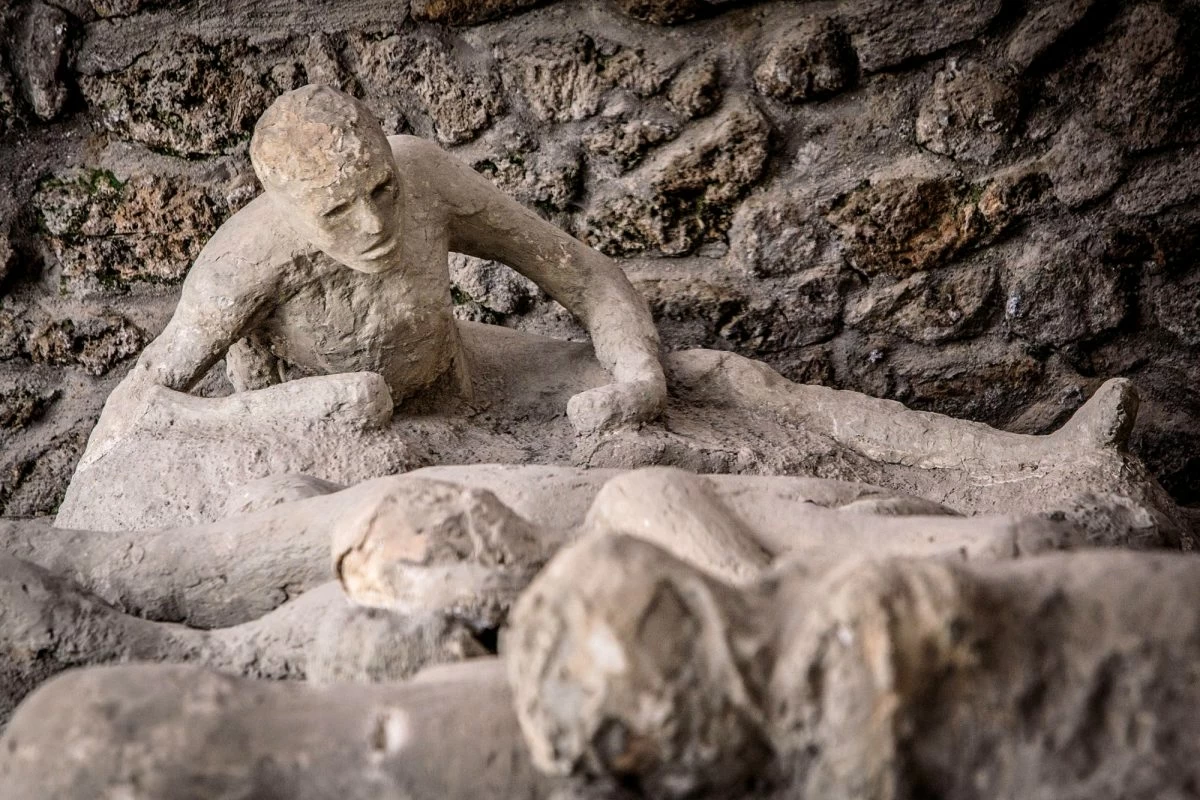
كشفت فحوصات علمية حديثة باستخدام تقنيات التصوير المتقدمة عن هوية أحد ضحايا ثوران بركان فيزوف عام 79 ميلاديًا، حيث تبين أنه كان طبيبًا رومانيًا يحمل معه عدة طبية كاملة أثناء محاولته الهرب من الكارثة.
وكان الرجل واحدًا من 13 شخصًا لجأوا إلى كرم عنب معروف اليوم باسم «حديقة الهاربين» في بومبي، آملين في النجاة، لكنهم فوجئوا بموجة انفجارية من الغازات السامة والرماد البركاني أودت بحياتهم فورًا.
واكتشف العلماء في عام 1961 قوالب جصية لهؤلاء الضحايا، ووجد داخل أحدها صندوقًا صغيرًا مصنوعًا من مواد عضوية ظلت لغزًا لأكثر من 60 عامًا، وباستخدام الأشعة السينية والأشعة المقطعية دون الإضرار بالقالب، تمكن الباحثون من كشف محتوياته:
وعثر بداخل الصندوق على أدوات معدنية دقيقة يُعتقد أنها أدوات جراحية، ولوح مصنوع من «الأردواز» وهو صخر صفائحي يُستخدم لتحضير الأدوية والمستحضرات الطبية مثل خلطات العسل والنبيذ والخل والأعشاب، وآلية إغلاق متقدمة تعتمد على ترس مسنن، وحقيبة قماشية صغيرة تحتوي على عملات برونزية وفضية.
ووقع ثوران جبل فيزوف عام 79 ميلاديًا في عهد الإمبراطور تيتوس دمر مدينتي بومبي وهركولانيوم، وقتل آلاف السكان، حيث غطى الرماد المدينة، محافظًا على أجساد الضحايا في فراغات داخل طبقات الرماد، وفي القرن العشرين، ابتكر علماء الآثار تقنية صب الجص داخل هذه الفراغات لإعادة تشكيل أوضاع الضحايا الأخيرة.
وتُعد «حديقة الهاربين» من أشهر المواقع في بومبي، حيث تظهر القوالب الجصية مجموعة من الأشخاص ماتوا وهم يحاولون الفرار نحو بوابة نوكيرا.
ويؤكد غابرييل زوخترايغل، مدير الحديقة الأثرية في بومبي، أن الطبيب ربما كان يحمل أدواته ليبدأ حياة جديدة في مكان آخر بفضل مهنته، وربما أيضًا لمساعدة الآخرين أثناء الكارثة.
ويبرز هذا الاكتشاف المكانة المرموقة التي وصل إليها الأطباء في المجتمع الروماني، حيث بدأ الطب في روما غالبًا على يد عبيد يونانيين متعلمين، لكن بحلول القرن الأول الميلادي ارتفعت مكانتهم، حيث منح يوليوس قيصر الجنسية الرومانية للأطباء عام 46 ق.م.
Recent scientific examinations using advanced imaging techniques have revealed the identity of one of the victims of the eruption of Mount Vesuvius in 79 AD, showing that he was a Roman doctor carrying a full medical kit while attempting to escape the disaster.
The man was one of 13 individuals who sought refuge in a vineyard known today as the "Garden of the Escapees" in Pompeii, hoping to survive, but they were surprised by an explosive wave of toxic gases and volcanic ash that killed them instantly.
In 1961, scientists discovered plaster casts of these victims, and inside one of them, they found a small box made of organic materials that remained a mystery for over 60 years. By using X-rays and CT scans without damaging the cast, researchers were able to reveal its contents:
Inside the box, they found precise metallic tools believed to be surgical instruments, a slate board used for preparing medicines and medical preparations such as mixtures of honey, wine, vinegar, and herbs, an advanced locking mechanism based on a toothed gear, and a small fabric bag containing bronze and silver coins.
The eruption of Mount Vesuvius in 79 AD during the reign of Emperor Titus destroyed the cities of Pompeii and Herculaneum, killing thousands of residents, as ash covered the city, preserving the bodies of the victims in voids within the layers of ash. In the 20th century, archaeologists developed a technique of pouring plaster into these voids to recreate the final positions of the victims.
The "Garden of the Escapees" is one of the most famous sites in Pompeii, where the plaster casts show a group of people who died while trying to flee towards the Nuceria Gate.
Gabriel Zuchtriegel, the director of the archaeological park in Pompeii, confirms that the doctor may have been carrying his tools to start a new life elsewhere thanks to his profession, and perhaps also to help others during the disaster.
This discovery highlights the prestigious status that doctors had reached in Roman society, where medicine in Rome often began with educated Greek slaves, but by the first century AD, their status had risen, as Julius Caesar granted Roman citizenship to doctors in 46 BC.